




The Pet-Safe Peace of Mind
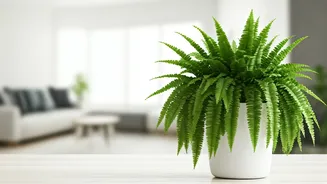
Let’s start with the most important feature for any animal lover: safety. The Boston Fern (Nephrolepis exaltata) is consistently listed as non-toxic to both cats and dogs by the ASPCA. This is a huge relief in a world where many popular houseplants—like
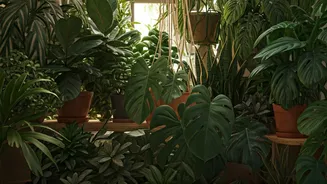
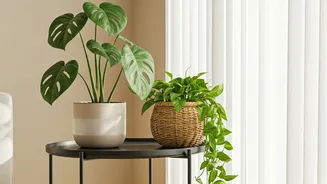
lilies, monsteras, and pothos—can cause anything from mild irritation to severe illness if ingested by a pet. With a Boston Fern, you can have lush greenery in your home without the constant worry. If your cat decides to bat at a frond or your puppy takes a curious nibble, you don’t have to panic. This single attribute elevates it from just another plant to a truly stress-free addition to a pet-filled household. It provides all the aesthetic benefit without the risk, making it a foundational choice for responsible pet parents who refuse to live in a plastic-plant-only world.
The “Easy” Part: What to Expect
The word “easiest” is strong, so let’s be clear: the Boston Fern isn’t a “set it and forget it” succulent. Its version of “easy” is that it’s highly expressive and forgiving. It will tell you exactly what it needs, and it bounces back quickly once you provide it. Its primary requirement is humidity. These ferns thrive in moist, jungle-like air, which is often the opposite of a modern, climate-controlled home. Their other needs are straightforward: they prefer bright, indirect light (a north-facing window is perfect, but avoid direct southern sun which will scorch their leaves) and consistently moist, but not soggy, soil. The key is consistency. Unlike a snake plant that thrives on neglect, a Boston Fern wants regular attention. But for the visual reward it provides, the routine is well worth the effort.
Solving the Humidity Puzzle
The main hurdle for most Boston Fern owners is providing enough humidity. Dry, crispy frond tips are a classic sign that the air is too dry. Luckily, there are several simple “hacks” to solve this. The most direct method is to run a humidifier nearby. Alternatively, you can create a microclimate by placing the pot on a shallow tray filled with pebbles and water. As the water evaporates, it will increase the ambient humidity around the plant. Don’t let the bottom of the pot sit in the water, as this can lead to root rot. Regular misting with a spray bottle every day or two also helps, and it’s a rather therapeutic morning ritual. The easiest solution of all? Place your fern in a naturally humid room. Bathrooms with a shower or bright kitchens are often ideal environments where the fern will flourish with minimal extra effort.
Your Instant Interior Design Upgrade
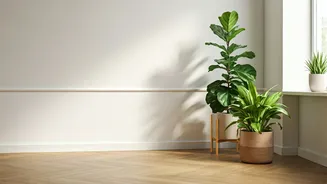
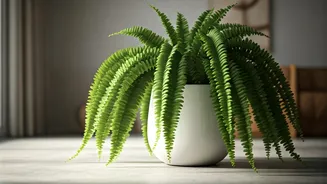
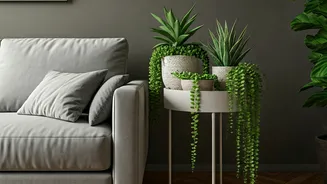
This is where the “hack” comes in. A mature Boston Fern is an architectural statement piece. Its long, arching fronds create a sense of movement and life, softening hard lines and adding a touch of Victorian elegance or bohemian charm, depending on its container. The number one way to style it is in a hanging basket. Hung in a corner near a window, its feathery fronds will create a beautiful, cascading waterfall of green. They also look stunning on a tall plant stand or pedestal, which elevates them and allows their foliage to drape freely without getting in the way of foot traffic. In a minimalist or modern space, the wild, organic texture of a Boston Fern provides a perfect natural counterpoint. It’s a design element that fills vertical space, adds vibrant color, and purifies the air, all while being completely safe for your four-legged family members.