

The Joy of a Quick, Delicious Win
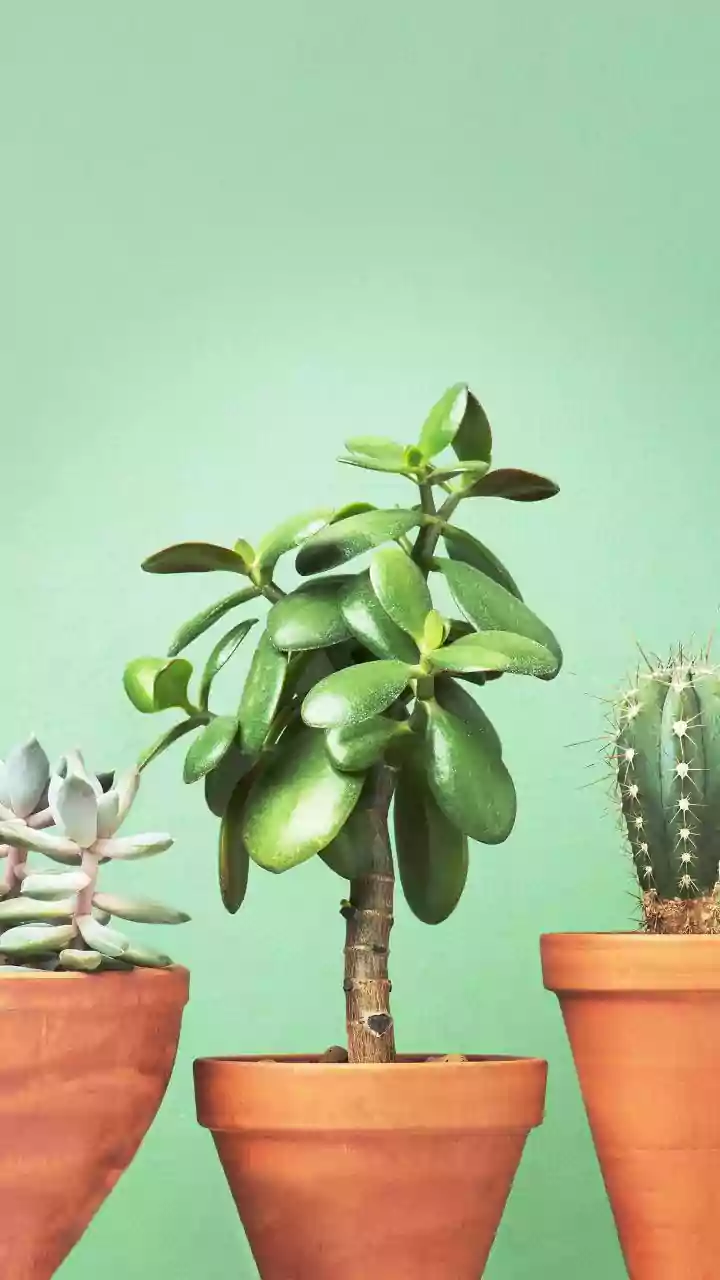
The biggest hurdle for any new hobbyist is the long, uncertain wait for a payoff. When you bring home a trendy but temperamental ornamental like a fiddle-leaf fig or a calathea, you’re signing up for a slow-burn relationship that might not work out. You
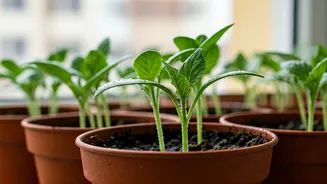
water, you wait, you worry about humidity levels, and your reward—if any—is a single new leaf in three months. In contrast, kitchen crops offer near-instant gratification. Plant a few basil seeds, and you’ll see sprouts in a week. Buy a small mint plant, and it will be threatening to take over its pot in a month. This rapid feedback loop is incredibly motivating. You see tangible progress quickly, which builds the confidence you need to keep going.
From Hobby to Harvest
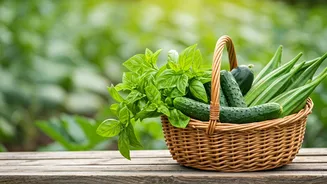
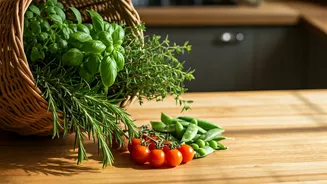
The reward from a successful houseplant is purely visual. It looks nice. The reward from a kitchen crop, however, engages all your senses. You don’t just look at your thriving chives; you snip them into your scrambled eggs. You don’t just admire your basil’s healthy leaves; you pluck them for a caprese salad or blend them into pesto. This transforms gardening from a passive, decorative act into an active, productive one. The payoff isn't just a prettier corner of your apartment; it's a fresher, more flavorful meal. This practical utility makes the entire process feel more meaningful. You’re not just keeping something alive; you’re cultivating something that nourishes you.
Bred for Business, Not Beauty
Many popular houseplants are native to specific, humid jungle environments and are prized for their unique, often delicate, foliage. They weren't bred to be tough; they were selected for their looks. This makes them divas in the average American home, which is often too dry and has inconsistent light. Culinary herbs and small vegetables, on the other hand, have been cultivated for centuries with one primary goal: to produce. They are bred for vigor, resilience, and yield. They *want* you to cut them; in fact, regular harvesting encourages many herbs like basil, mint, and parsley to grow back fuller and bushier. They are less a fragile art piece and more a tiny, reliable food factory that’s surprisingly forgiving of beginner mistakes.
Lower Stakes and Less Heartbreak
Let’s talk about the emotional and financial investment. A large, exotic houseplant can easily set you back $50 or more. When it withers despite your best efforts, it feels like a personal and financial failure. The stakes are high. Now, consider the alternative. A packet of herb seeds costs a few dollars. A small starter plant from the grocery store might be five bucks. If your first attempt at cilantro bolts or your basil gets leggy, who cares? You’re out the price of a latte. You’ve learned a valuable lesson about sunlight or watering, and you can simply start again. This low-risk environment is the perfect training ground, allowing you to learn the fundamentals of plant care without the pressure of protecting a pricey investment.
Your Kitchen Garden Starter Pack
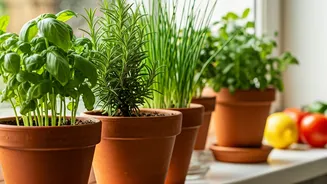
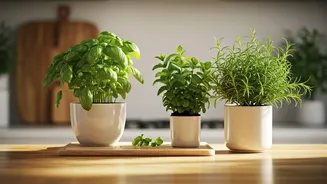
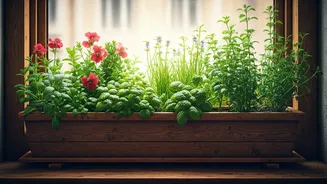
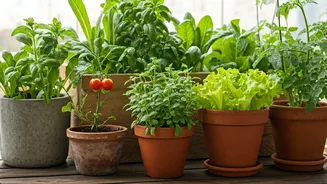
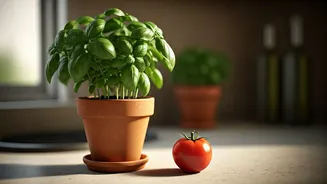
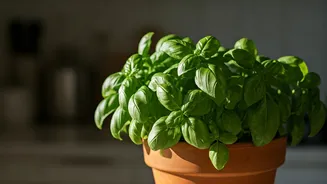
Ready to trade random experiments for reliable results? Here are three nearly foolproof options to place in a sunny window: 1. **Mint:** Buy a small plant (don't grow from seed). Keep it in its own pot, as it’s aggressively friendly and will take over. Water when the soil is dry and give it plenty of sun. Snip leaves for tea, water, or cocktails. 2. **Chives:** Another easy win from a starter plant. Chives are like tiny, grassy onions that keep regrowing. Cut them with scissors about an inch from the base. They love sun and are perfect for topping potatoes, eggs, or salads. 3. **Basil:** The quintessential kitchen herb. Buy a small plant from the grocery store’s produce section. It loves sunlight and hates having wet feet, so let the soil dry out slightly between waterings. Pinch off the top leaves to make it grow bushy, not tall.