



Start with a Scrap-Happy Stock
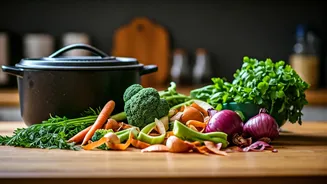
This is the gateway to low-waste cooking. Every time you chop an onion, peel a carrot, or trim a celery stalk, you’re holding a flavor bomb. Instead of sweeping them into the trash, keep a large freezer-safe bag or container labeled “Stock Scraps.” Toss
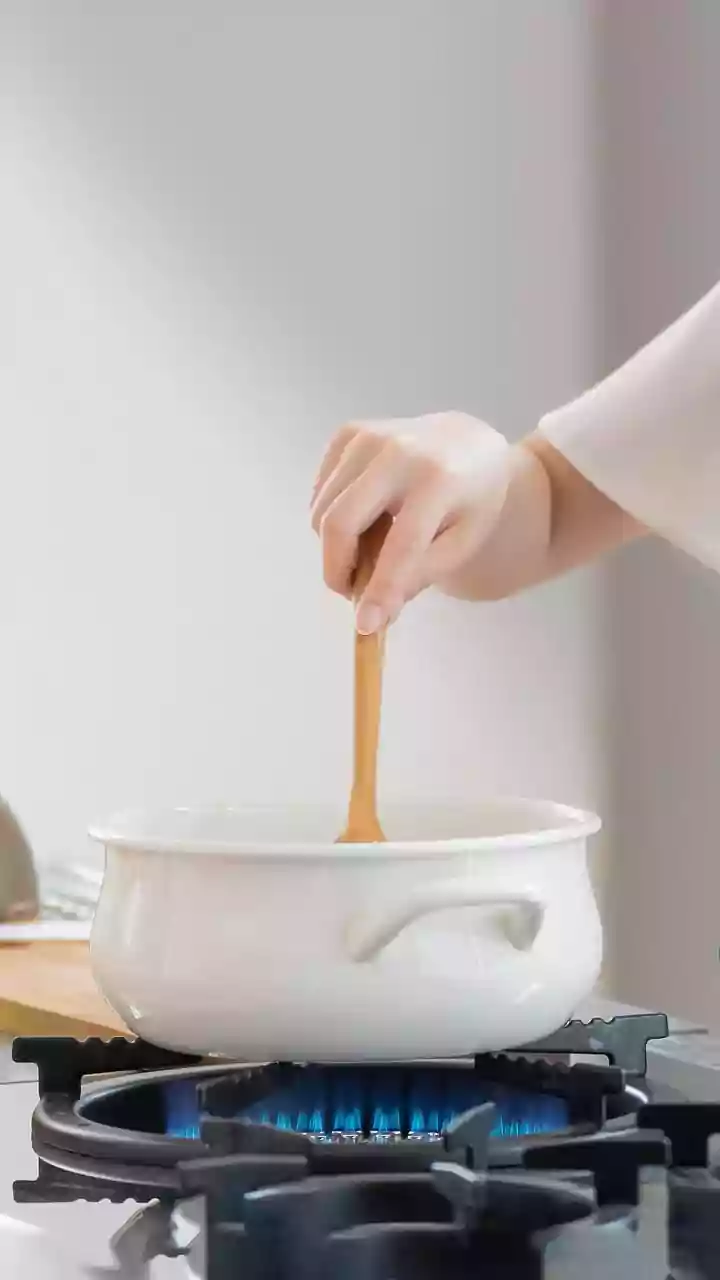
in onion and garlic skins, carrot peels, celery ends, mushroom stems, parsley stems, and even leftover corn cobs. Avoid cruciferous veggies like broccoli or cabbage, which can make stock bitter. Once the bag is full, simply empty it into a large pot, cover with water, add a bay leaf and some peppercorns, and simmer for an hour or more. Strain it, and you have a deeply flavorful, zero-cost liquid gold for making soups, risottos, and sauces infinitely better than anything from a carton.
Give Stale Bread a Second Act
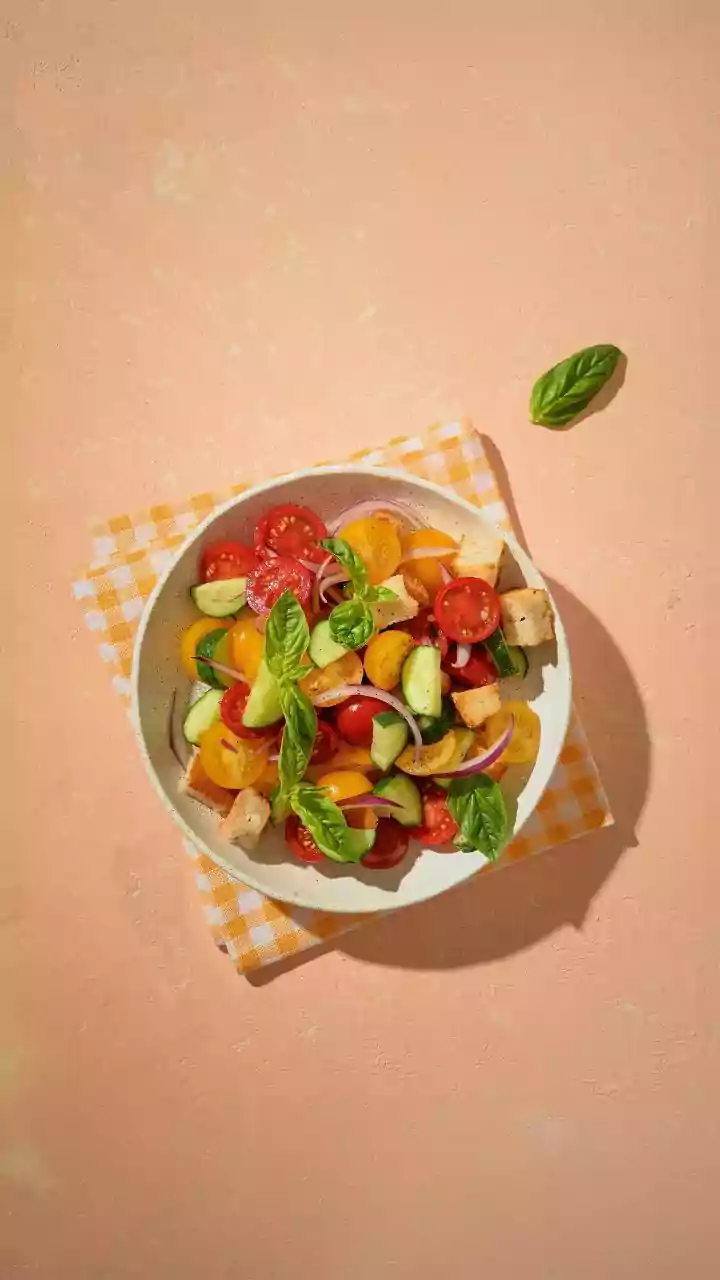
In the U.S., bread is one of the most wasted food items. But a loaf that’s a day or two past its prime is not a failure; it’s an opportunity. Cut stale sourdough or baguettes into cubes, toss with olive oil and herbs, and toast for homemade croutons that will elevate any salad. Whiz dry ends in a food processor for breadcrumbs to top mac and cheese or bind meatballs. For a truly transformative meal, use sturdy, stale bread as the foundation for a Tuscan panzanella salad, a savory bread pudding (strata), or a sweet, custardy bread pudding for dessert. French toast was literally invented to solve this exact problem. By reframing stale bread as an ingredient, you unlock a whole new category of comforting classics.
Embrace Root-to-Stem Cooking
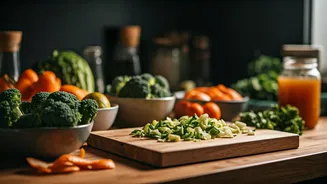
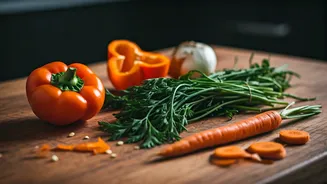
We've been trained to discard some of the most nutritious and delicious parts of our vegetables. A root-to-stem philosophy challenges that. The dark green tops of carrots are not trash; they can be blended into a zesty, slightly bitter pesto, similar to one made with arugula. The thick, hardy stems of broccoli and cauliflower can be peeled, sliced thin, and roasted or stir-fried until tender and sweet. Beet greens and turnip greens are fantastic sautéed with a bit of garlic and olive oil, just like spinach or kale. Even the core of a head of cabbage or lettuce can be thinly sliced and thrown into a slaw. This approach not only doubles the value you get from each vegetable but also introduces new textures and flavors to your cooking repertoire.
Master the 'Everything' Dish
Every kitchen needs a go-to recipe for using up the odds and ends before they go bad. The frittata is a perfect candidate. A handful of wilting spinach, half an onion, a few lonely mushrooms, and some leftover roasted chicken? Sauté them, pour whisked eggs over the top, sprinkle with any cheese you have, and bake until set. You've just created a fantastic brunch. The same logic applies to a “clean out the fridge” fried rice, a hearty soup, or a simple pasta toss. These aren't just fallback meals; they're exercises in culinary improvisation. Learning to see a collection of leftovers not as a problem but as the starting point for a delicious, one-of-a-kind dish is the ultimate low-waste skill.
Preserve the Fleeting Moment
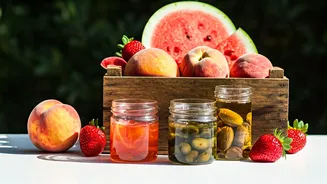
Sometimes you just have too much of a good thing. A bunch of herbs on the verge of wilting, a pint of berries about to turn, or a bumper crop of zucchini from the garden can all be saved with simple preservation techniques. Chop and freeze leftover herbs in an ice cube tray with olive oil for perfect “flavor starters” to toss into a pan. Berries that are a little too soft for snacking can be simmered with a spoonful of sugar and a squeeze of lemon juice to create a vibrant compote for yogurt or pancakes. Excess vegetables like cucumbers, carrots, and green beans can be turned into quick refrigerator pickles in a matter of hours with a simple brine of vinegar, water, salt, and sugar. This extends the life of your food and gives you a pantry of homemade delights.