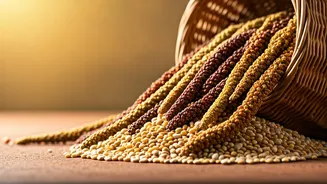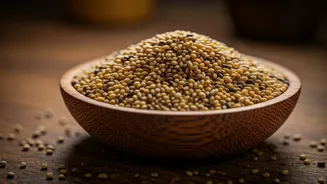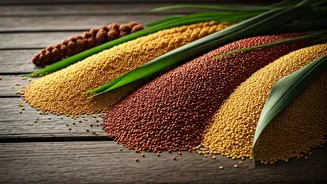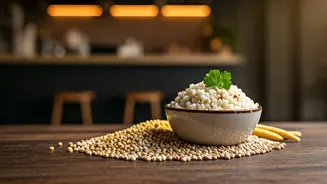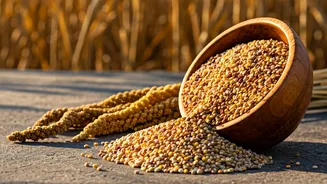


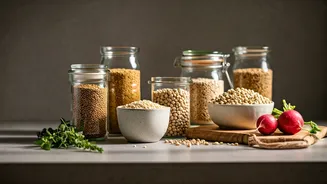
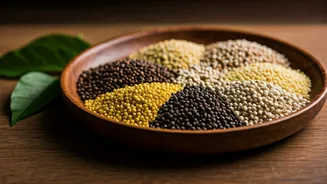
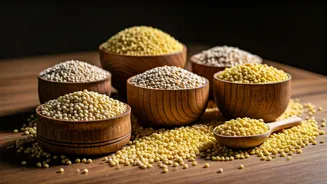
So, What Exactly Are Millets?
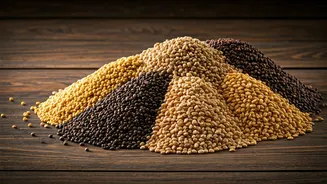
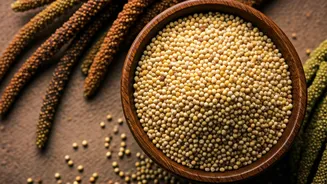
First, let's clear something up: there’s no single grain called “millet.” The term refers to a diverse group of small-seeded grasses grown around the world. Think of it as a family name, with members like pearl millet, foxtail millet, proso millet, and
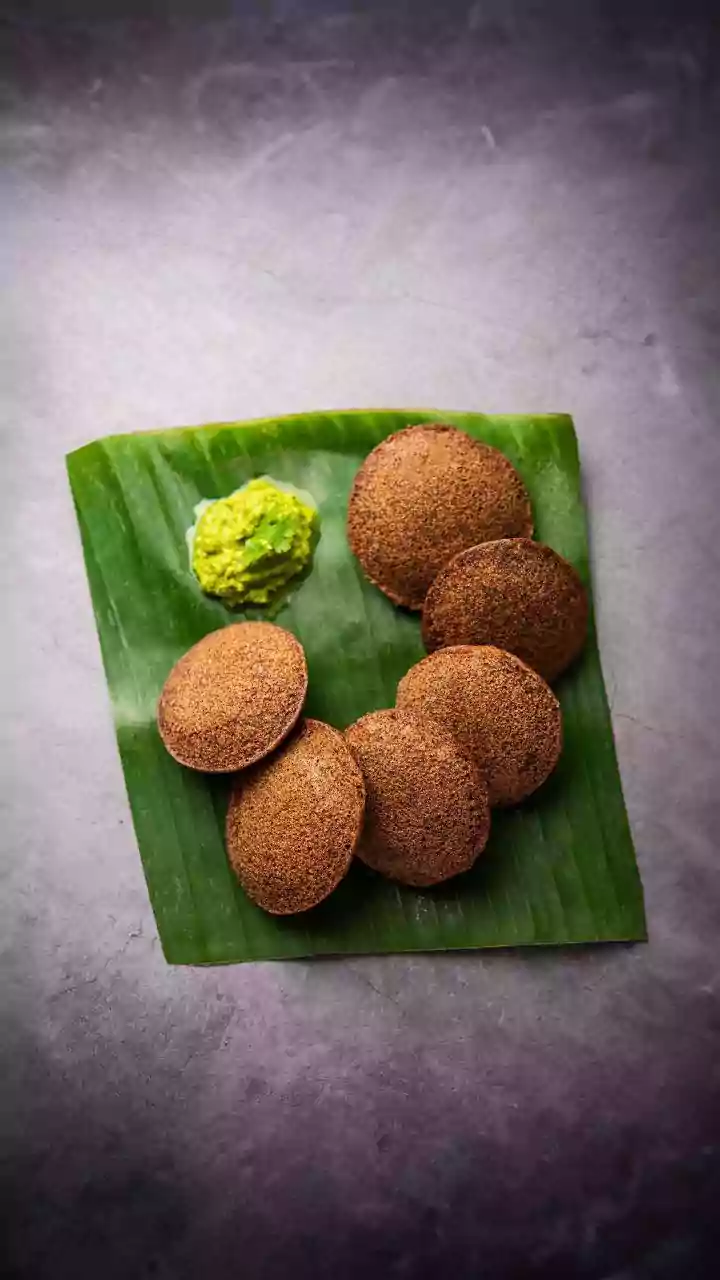
finger millet. While quinoa has enjoyed the spotlight for years, millets have been quietly waiting in the wings. In the U.S., you might have unknowingly encountered them as birdseed, but their primary role for millennia has been as a human food staple. They are naturally gluten-free and have a mild, slightly nutty flavor that makes them incredibly versatile. Depending on the type, they can be cooked into a fluffy, couscous-like side, a creamy porridge, or ground into flour for baking.
The Nutritional Powerhouse
The recent buzz around millets isn't without reason. From a nutritional standpoint, they punch well above their weight class. They are packed with fiber, which aids digestion and helps maintain stable blood sugar levels, making them a great choice for those managing diabetes. Unlike more refined grains, millets are a solid source of plant-based protein and are rich in essential minerals that many American diets lack, including magnesium (crucial for nerve function and bone health), iron, and phosphorus. Their complex carbohydrates provide sustained energy without the spike-and-crash effect associated with simple carbs. For anyone navigating a gluten-free diet, millets offer a nutrient-dense alternative to rice or corn-based products.
An Ancient Grain's Modern Comeback
Millets are not a new discovery; they’re a rediscovery. Archaeologists have found evidence of millet cultivation in Asia and Africa dating back over 7,000 years, predating many of the grains we now consider staples, like wheat and rice. For countless generations, they were a cornerstone of diets across the globe, valued for their reliability and nutritional content. So why did they fall out of favor? In many regions, government policies and agricultural programs began promoting high-yield crops like wheat and rice, pushing millets to the background as “poor man’s food.” The recent resurgence, highlighted by the United Nations declaring 2023 the “International Year of Millets,” is an effort to correct that historical shift and reintroduce this ancient powerhouse to the global plate.
A Secret Weapon Against Climate Change
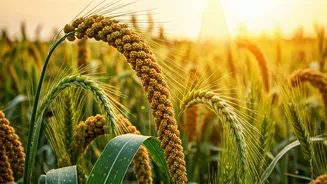
Here's the “more than a trend” part. The real magic of millets lies in their agricultural resilience. In an era of increasing droughts, unpredictable weather, and strained water resources, millets are what experts call a “climate-smart” crop. They are incredibly hardy, capable of growing in arid, infertile soil where thirsty crops like corn or rice would fail. Many varieties have a short growing season (some as little as 60 days) and require significantly less water and fewer chemical inputs like pesticides and fertilizers. This makes them a vital tool for smallholder farmers battling the effects of climate change and a powerful option for building a more sustainable and secure global food system. When you choose millets, you’re not just picking a healthy grain; you’re supporting agricultural biodiversity and climate resilience.
How to Get Started with Millets
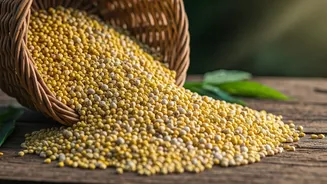
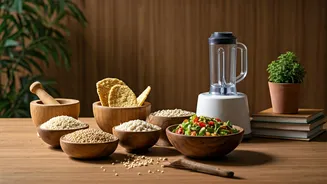
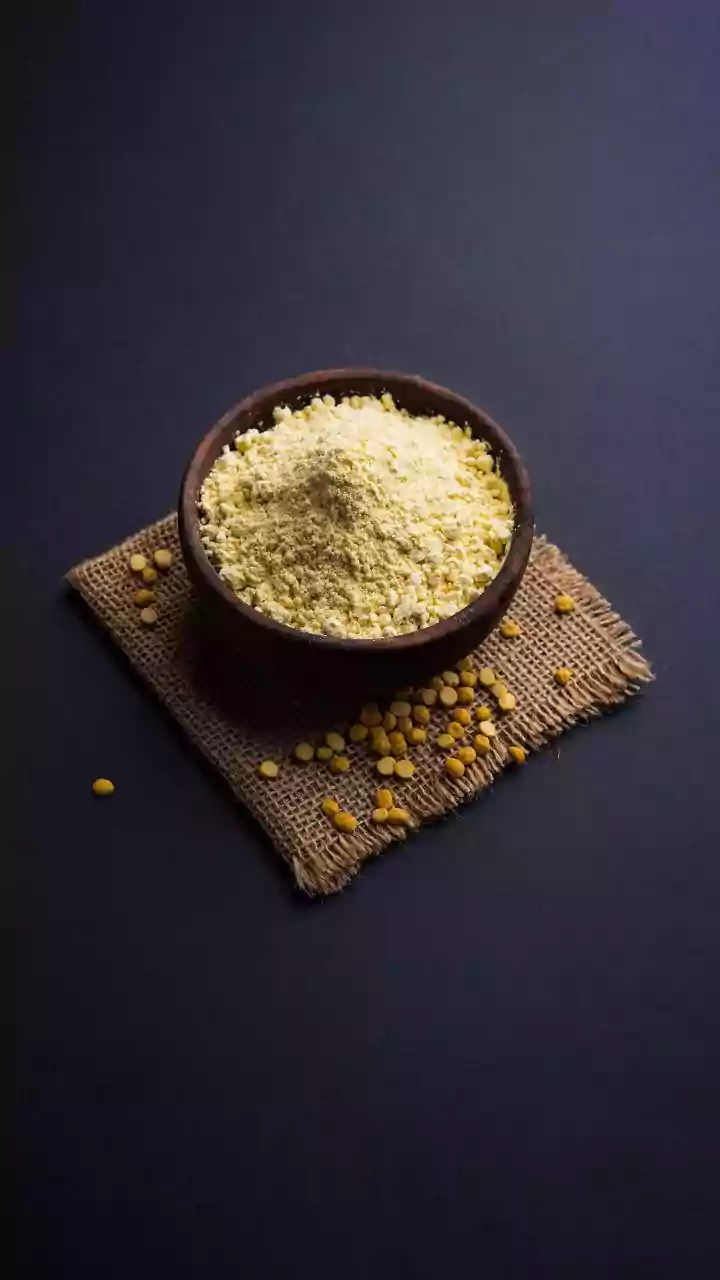
Ready to give them a try? The easiest way to start is by treating millet like you would rice or quinoa. A simple 2:1 ratio of water or broth to grain, brought to a boil and then simmered until the liquid is absorbed, yields a fluffy, versatile base. Toasting the dry grains in a pan for a few minutes before adding liquid enhances their nutty flavor. Use cooked millet as a base for grain bowls, toss it into salads for extra texture and protein, or serve it alongside stir-fries and curries. For a comforting breakfast, cook it with milk (dairy or plant-based) to create a porridge, then top with fruit and nuts. Millet flour can also be used in pancakes, muffins, and flatbreads, often blended with other flours.