


So, What Is Food Synergy, Anyway?
Think of it as nutritional teamwork. Food synergy is the simple idea that certain nutrients, when eaten together, are more powerful and better absorbed by your body than when eaten alone. It’s the dietary equivalent of 1 + 1 = 3. Instead of focusing on single
'miracle' ingredients, this approach looks at the whole plate. The concept isn’t new—traditional cuisines have been doing it for centuries, like pairing beans and rice to form a complete protein. But in the modern wellness landscape, it feels like a refreshing rebellion. It’s not about buying a new supplement; it’s about being smarter with the groceries you already buy. This approach shifts the focus from restriction and expensive additions to abundance and intelligent combinations, making healthy eating feel more accessible and less like a chore.
The Smart, Budget-Friendly Alternative
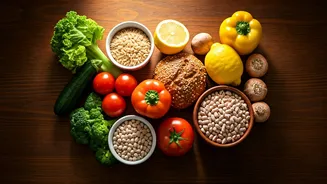
Let’s be honest: keeping up with wellness trends can be exhausting and expensive. One minute it’s all about adaptogenic mushrooms, the next it’s collagen peptides. Food synergy wins because it’s fundamentally an anti-trend. It doesn’t require a special shopping trip to a high-end health food store. It thrives on staples like tomatoes, lemons, olive oil, and spinach. By understanding these simple pairings, you can amplify the health benefits of your meals without adding a single specialty item to your cart. This makes it a sustainable and democratic approach to nutrition. You’re not just eating healthy food; you’re unlocking its full potential, turning an ordinary salad or simple stir-fry into a nutritional powerhouse. It’s a win for your body and your wallet.
Your Guide to Power Pairings
Ready to put food synergy into practice? It's easier than you think. You’re probably already using some of these combinations without even realizing it. Here are a few science-backed pairings to get you started.
Tomatoes & Olive Oil: The Antioxidant Boost
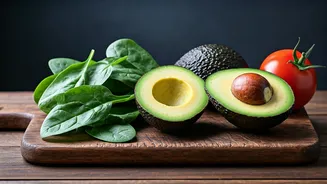
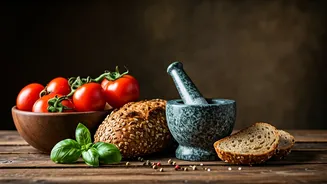
Tomatoes are rich in lycopene, a powerful antioxidant linked to reduced risk of certain cancers and improved heart health. The catch? Lycopene is fat-soluble, meaning your body needs fat to absorb it properly. Drizzling your tomatoes with olive oil (or another healthy fat like avocado) is the perfect solution. This is why a classic Italian bruschetta or a Mediterranean salad isn't just delicious—it's a perfect example of food synergy in action. Roasting cherry tomatoes with a splash of olive oil and garlic makes for an intensely flavorful and nutritionally optimized pasta sauce base or side dish.
Spinach & Lemon: The Iron Maximizer
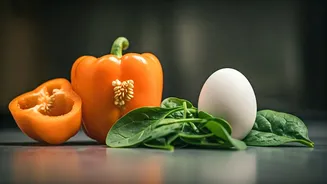
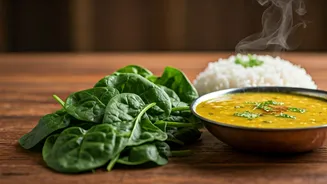
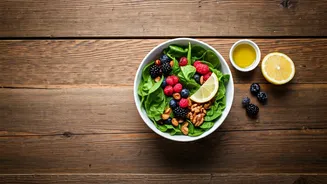
If you rely on plant-based sources for iron, this one's for you. Spinach, lentils, and beans are packed with a type of iron called non-heme iron, which is notoriously difficult for the body to absorb. Enter Vitamin C. A squeeze of lemon juice, a few slices of bell pepper, or some strawberries can significantly increase your body's ability to utilize that plant-based iron. So, that lemon vinaigrette on your spinach salad isn’t just for flavor; it’s helping you fight fatigue and boost your energy levels more effectively.
Turmeric & Black Pepper: The Inflammation Fighters
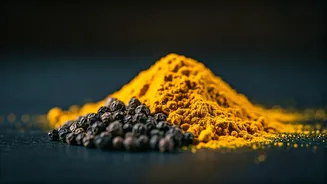
Turmeric gets its golden glow and anti-inflammatory reputation from a compound called curcumin. But on its own, curcumin is poorly absorbed into the bloodstream. The solution is remarkably simple: black pepper. A compound in black pepper called piperine can increase curcumin’s bioavailability by up to 2,000%. This is why you'll often see the two paired in supplements and traditional recipes like curries. A small pinch of black pepper in your golden milk latte, turmeric-spiced roasted vegetables, or lentil soup is all it takes to dramatically enhance its benefits.
Salmon & Leafy Greens: The Bone-Building Duo
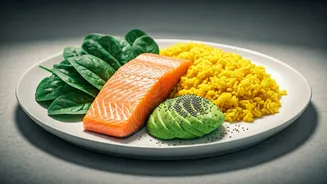
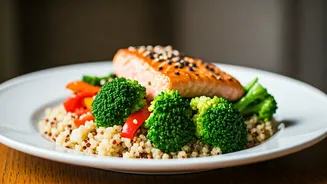
Strong bones depend on calcium, but your body can't absorb calcium without Vitamin D. While our bodies can make Vitamin D from sunlight, we can also get it from food. Fatty fish like salmon are one of the best dietary sources. Pairing salmon with calcium-rich leafy greens like kale, collards, or bok choy creates a synergistic meal that supports bone density. A simple dinner of pan-seared salmon with a side of sautéed kale provides both key nutrients in one go, helping to keep your skeletal system strong.