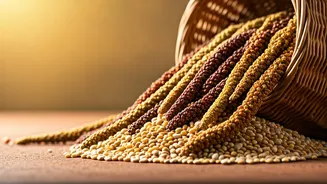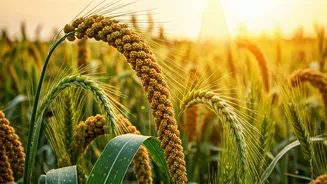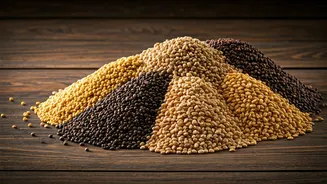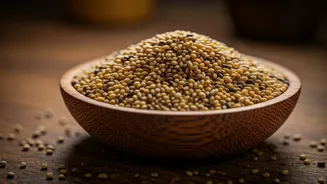


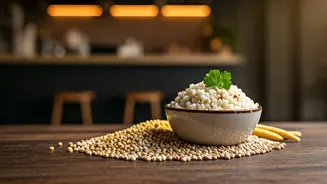
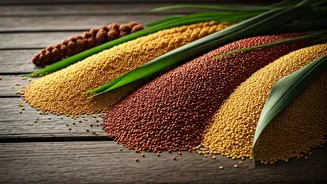
So, What Exactly Are Millets?
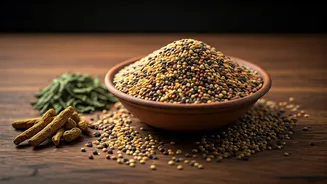
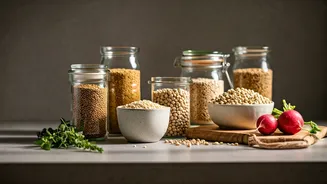
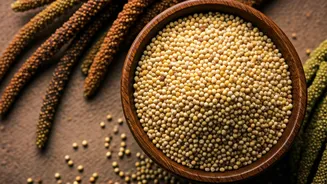
Before you picture birdseed, let’s clear things up. Millets aren’t a single grain; they’re a family of small-seeded grasses that have been cultivated for thousands of years across Africa and Asia. Think of them as a diverse group of cousins, each with
a unique personality. You might have heard of some of them without realizing it: sorghum (jowar), pearl millet (bajra), and finger millet (ragi) are some of the most common types found in India. Unlike wheat and rice, most millets are naturally gluten-free and boast a hearty, nutty flavor profile that can range from mildly sweet to earthy. For centuries, they were the backbone of the Indian diet—a reliable, nutritious staple long before wheat and rice became dominant.
The Great Indian Comeback Story
So if millets were once so essential, what happened? The story is a familiar one in agriculture. During the Green Revolution of the 1960s, government policies and subsidies heavily favored high-yield crops like rice and wheat. Millets, which were seen as 'poor man’s food,' were pushed to the sidelines. But now, the tables have turned. Facing challenges like climate change, water scarcity, and rising health issues like diabetes, India is leading a massive movement to bring millets back. The Indian government successfully lobbied the United Nations to declare 2023 the 'International Year of Millets,' sparking a nationwide culinary and cultural revival. Farmers love them because they’re incredibly hardy, drought-resistant, and require far less water than rice. Nutritionists and doctors love them for their health benefits. It’s a full-circle moment for a grain that never should have left.
From Humble Porridge to Gourmet Plates
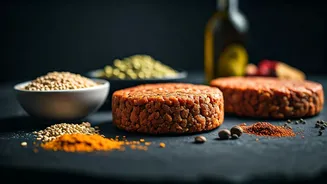
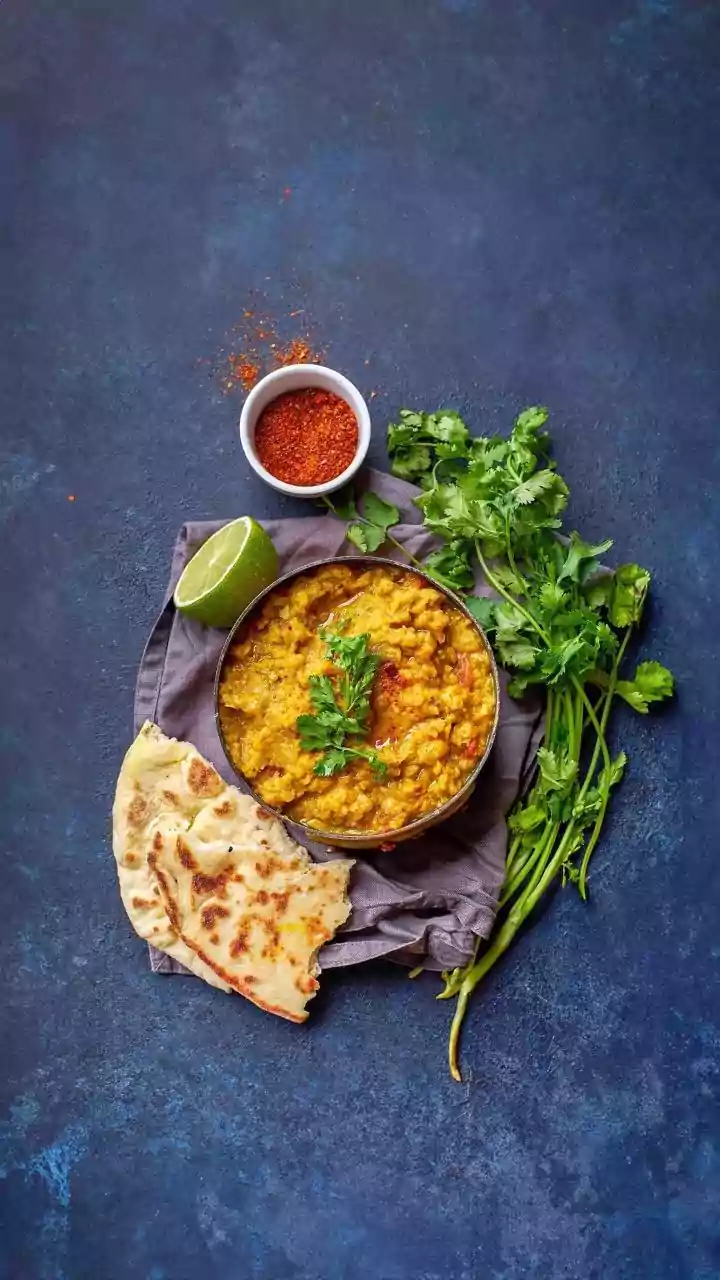
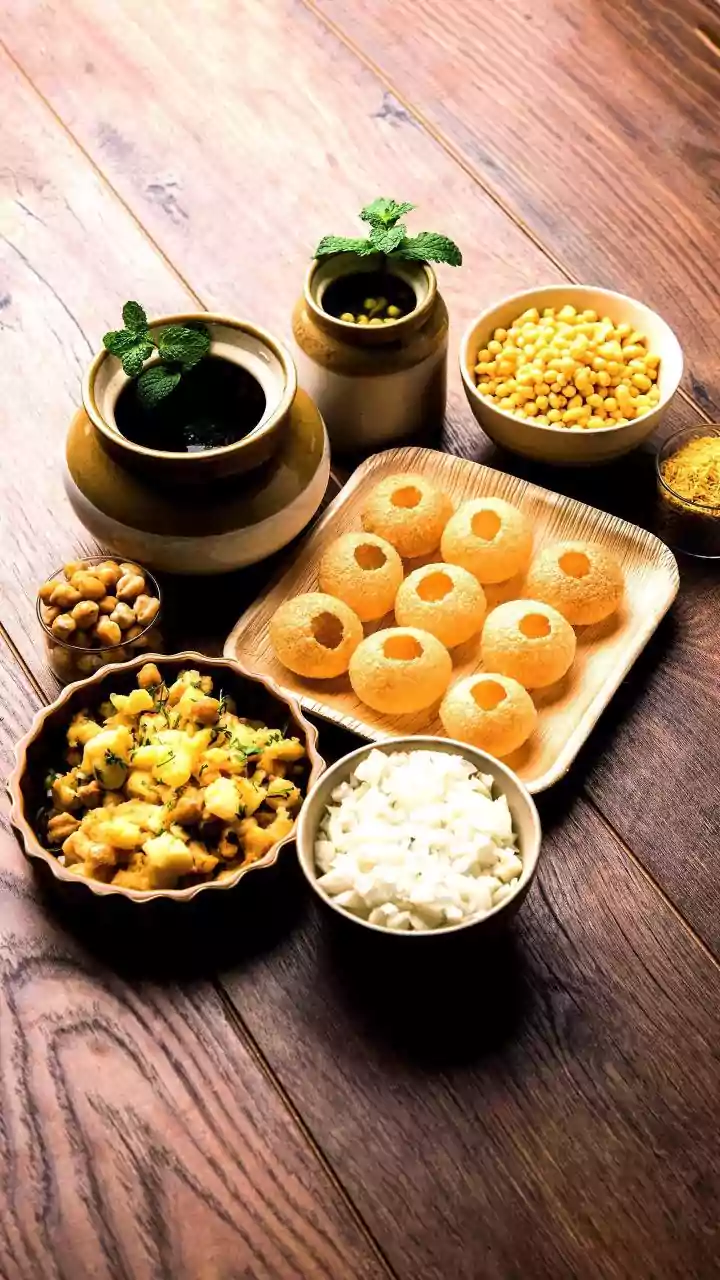
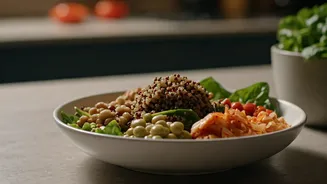
The most exciting part of this revival is happening in the kitchen. For generations, millets were primarily used to make simple, rustic flatbreads (like bajra roti) or porridges. Today, innovative chefs across India are completely reimagining their potential. They’re treating millet not as a substitute, but as a premium ingredient in its own right. You’ll now find millet-based dishes on the menus of some of India’s most acclaimed restaurants. Think creamy ragi risotto that gives its Italian counterpart a run for its money, crispy dosas made from foxtail millet, fluffy upmas, and even decadent desserts like millet chocolate brownies and cakes. Chefs are using puffed millets for texture in salads, grinding them into flour for artisanal bread, and fermenting them for beverages. This culinary creativity has been key to shedding the grain’s humble reputation and reintroducing it to a new generation of diners as something sophisticated and exciting.
Why This Trend Matters in the U.S.
This isn't just a fascinating story happening thousands of miles away; it’s directly relevant to a U.S. audience. Firstly, for the health-conscious, millets check all the boxes: they are high in fiber, packed with protein and antioxidants, and have a low glycemic index, which helps manage blood sugar. As a gluten-free grain, they’re a fantastic and flavorful alternative for those with sensitivities. Secondly, in an era of climate anxiety, millets represent a genuinely sustainable food choice. Their resilience and low water requirements make them a 'smart crop' for a warming planet. As American consumers become more interested in the environmental footprint of their food, millets offer a compelling option. You can already find them in health food stores, often in the bulk bin section next to quinoa and amaranth, waiting to be discovered.