




From Buyer's High to Daily Habit
The wellness industry is brilliant at selling us a vision of a better self. We buy the meal subscription, the high-tech stationary bike, or the annual meditation app membership, feeling like we’ve already accomplished something. This is the “checkout”
moment—a transaction that provides a fleeting sense of progress. However, behavior change experts know this feeling is a trap. It mistakes the starting line for the finish line. True wellness isn't purchased; it’s practiced. The key is to channel the momentum from that initial purchase into a system that can survive long after the novelty wears off. The goal is to shift from relying on willpower, which is a finite resource, to building automatic behaviors that require little to no conscious effort.
Start Impossibly Small
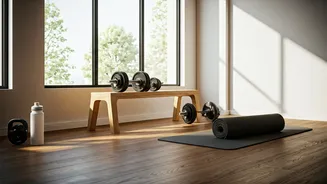
One of the biggest mistakes we make is going too big, too soon. Fired up by our new purchase, we vow to work out for an hour every day or completely overhaul our diet overnight. This all-or-nothing approach is a recipe for burnout. Instead, start with a version of the habit that is “too small to fail.” Want to start meditating? Don’t aim for 20 minutes. Start with one minute. Just open the app and sit in silence. Want to use that new set of weights? Your goal for the first week isn’t a full workout; it’s simply to do ten bicep curls. This approach, often called building “micro-habits,” does two things: it minimizes the mental resistance to starting and it helps build the neural pathways for the new behavior. You’re not building muscle yet; you’re building the habit of showing up.
Redesign Your Environment
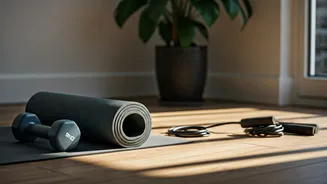
Motivation is fickle, but your environment is constant. Instead of relying on discipline to make the right choice, make the right choice the easiest one. This principle, known as choice architecture, is a game-changer. If you want to use your new yoga mat every morning, don’t store it in the closet. Unroll it on the floor next to your bed the night before. It becomes a physical trigger. Want to eat the healthy food you just bought? Move the fruit bowl to the center of the counter and put the junk food in an opaque container on a high shelf. The goal is to reduce the friction for good habits and increase the friction for bad ones. Your environment should work for you, not against you. A well-designed space does the heavy lifting so your willpower doesn’t have to.
Link It to Your Identity
The most powerful habits are tied to our sense of self. It’s one thing to say, “I am trying to run more.” It’s another thing entirely to say, “I am a runner.” The first is an aspiration; the second is an identity. Every time you perform your tiny habit, you are casting a vote for that new identity. When you put on your running shoes and go for a five-minute jog, you are reinforcing the idea that you are a person who runs. The focus shifts from the outcome (losing weight, running a marathon) to the process (being the kind of person who shows up). This reframing is incredibly powerful because it aligns your actions with your desired self-image, creating a positive feedback loop that makes it easier to stick with the habit on days you don't feel motivated.
Track the Process, Not Just the Goal
Large, outcome-based goals are great for direction but terrible for day-to-day motivation. If your goal is to lose 20 pounds, you’ll spend most of your time feeling like a failure because you haven’t reached it yet. Instead, focus on tracking the process. Did you stick to your habit today? Mark it on a calendar. Use a habit-tracking app. The simple act of checking a box provides a small, immediate reward that makes the behavior more satisfying. This creates a chain of consistency, and the motivation becomes not wanting to “break the chain.” Celebrate the small wins—the fact that you meditated for three days in a row or went for a walk even when it was cloudy. This process-oriented mindset keeps you engaged for the long haul, and before you know it, the outcomes will follow.