
The 'Again' Factor: A Brief History
The word 'again' in the headline is crucial. Indian food has been a global staple for decades, thanks to waves of immigration that brought the cuisine to cities like London, New York, and Toronto. But for a long time, what most Americans knew as 'Indian
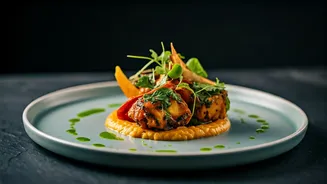
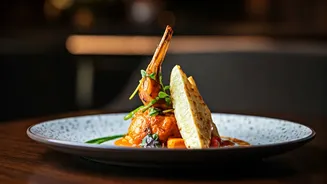
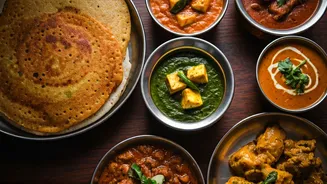
food' was a highly simplified, often Anglicized version dominated by a few rich, creamy curries from North India. It was delicious, but it was a caricature. The first 'flex' came from pioneers like Floyd Cardoz in New York and the chefs behind London's Tamarind and Zaika, who earned Michelin stars in the early 2000s by elevating the cuisine. They proved Indian food could be 'fine dining.' But even their success was about fitting into a Western framework. What's happening now is different. It’s less about elevation and more about excavation—digging deep into the subcontinent's true diversity and presenting it with unapologetic confidence.
Meet the New Vanguard
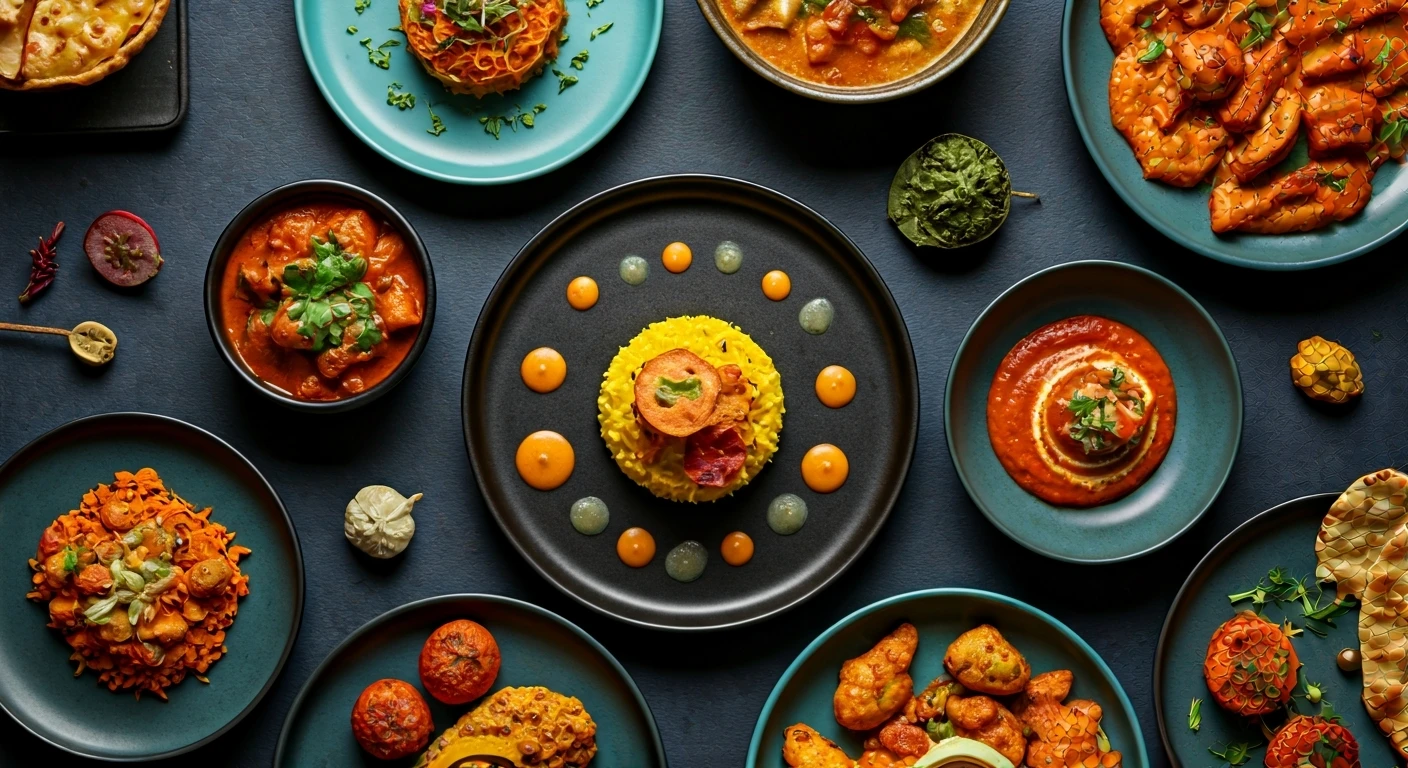
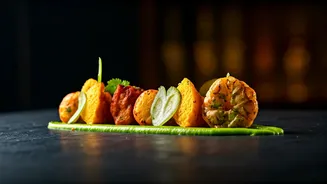
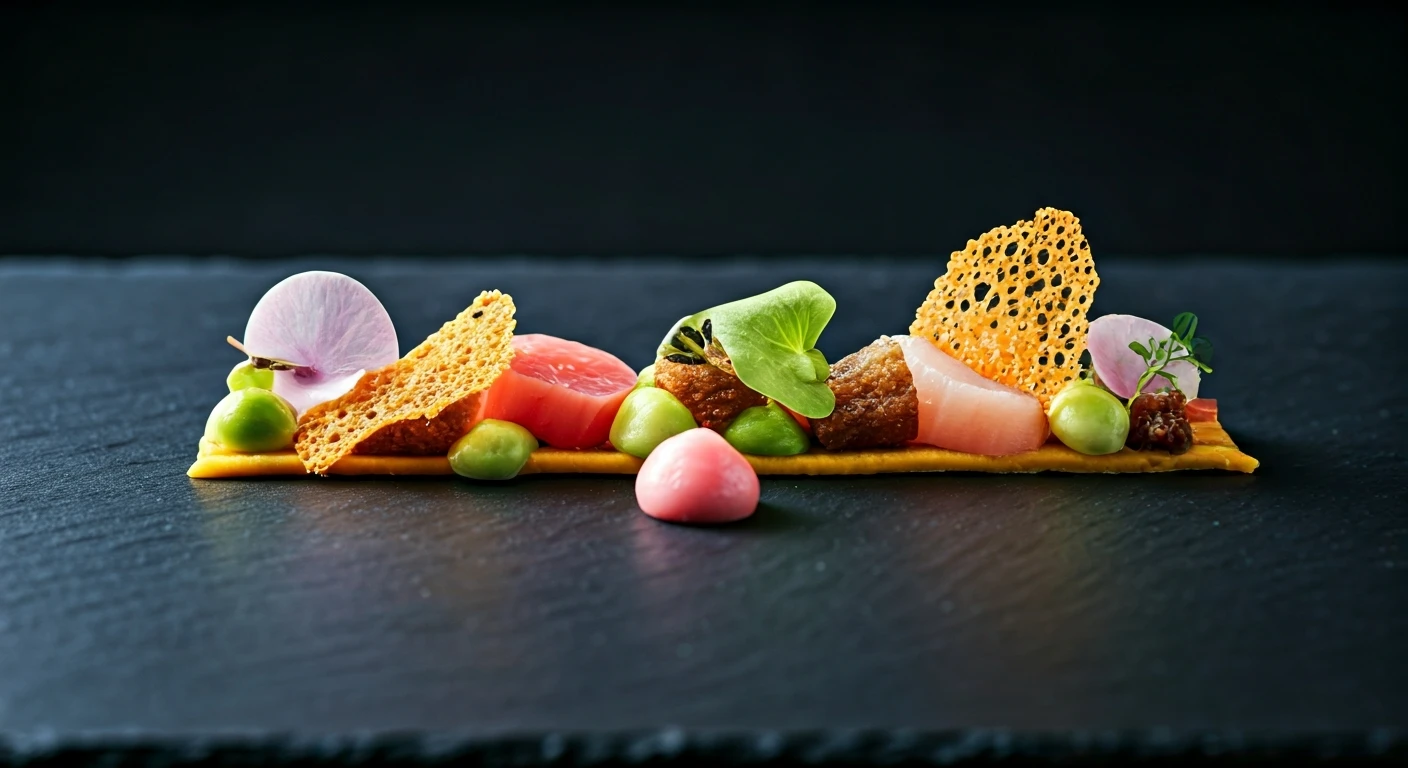
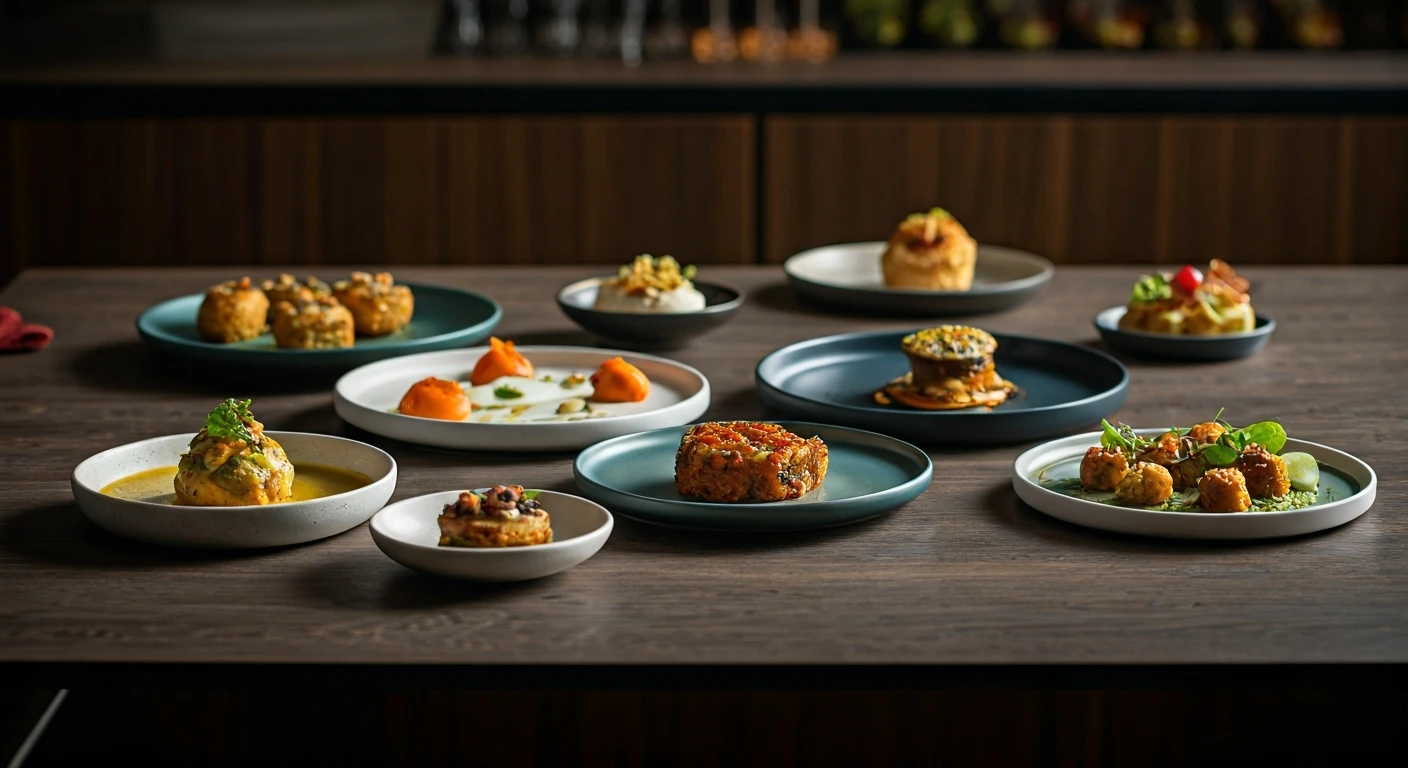
Today's movement is defined by chefs who are becoming global names by refusing to compromise. In New York City, Chintan Pandya of Unapologetic Foods has built an empire (and earned a James Beard Award) with restaurants like Dhamaka, which focuses on the 'unseen' regional dishes of rural India. You won't find generic chicken tikka masala on his menus; instead, you’ll find Gurda Kapoora (goat kidney and testicles) and Champaran Mutton. In London, Asma Khan’s Darjeeling Express, staffed entirely by women, tells a powerful story of home-style cooking and heritage, earning her a spot on 'Chef’s Table.' And in Bangkok, Gaggan Anand became a legend by applying avant-garde, molecular gastronomy techniques to Indian street food flavors, repeatedly landing his restaurant on lists of the world’s best. These chefs aren't just cooking; they are acting as cultural ambassadors, educating diners one plate at a time.
The Secret Sauce: Confidence and Regionality
So why is this happening now? The shift is fueled by a combination of factors. First, a new generation of chefs, many born or trained in the West, feel a deep connection to their heritage and have the culinary language to translate it without dumbing it down. They are confident enough to serve dishes from their grandmother's village in a high-end setting. Second, diners themselves have evolved. Thanks to travel, the internet, and a broader cultural curiosity, American palates are more adventurous than ever. People no longer want a 'safe' version of a foreign cuisine; they want the real deal. This has created the perfect market for chefs to explore the subcontinent's dizzying array of regional specialties—from the coastal seafood of Kerala to the vegetarian thalis of Gujarat to the spicy, rustic fare of Nagaland. It’s a move away from 'Indian Food' as a single category and toward a celebration of the foods of India, in all their plural glory.
Beyond the Michelin Stars
This trend isn't just confined to tasting menus and critical acclaim. The confidence displayed by top chefs is trickling down and inspiring a broader shift. You can see it in fast-casual restaurants specializing in specific dishes like dosa or kathi rolls. You can see it in the explosion of regional Indian food blogs and YouTube channels. You see it in grocery stores where aisles now feature not just one type of garam masala, but specific spice blends for Chettinad or Malvani cooking. This culinary 'flex' is fundamentally changing how Indian food is perceived—not as a cheap, heavy monolith, but as a sophisticated, diverse, and endlessly exciting cuisine that is finally being appreciated on its own terms. The gatekeepers of global food are paying attention, and so is everyone else.