





The Backlash to Burnout Culture
For decades, particularly in the U.S., sleep deprivation was worn as a badge of honor. From Wall Street to Silicon Valley, pulling all-nighters was proof of ambition, dedication, and grit. The less you slept, the more you were supposedly accomplishing.
Coffee wasn't just a morning ritual; it was the fuel for a culture that glorified perpetual motion. But a widespread burnout epidemic, exacerbated by the stresses of modern life, has triggered a powerful cultural correction. The 'rise and grind' ethos is facing a quiet rebellion. We've collectively hit a wall, and on the other side, we’ve found a radical idea: rest. The new goal isn’t to out-work everyone else; it’s to be well-rested enough to perform at your peak, and sane enough to enjoy it. This isn’t laziness; it’s a strategic retreat from a battle that was claiming our mental and physical health.
The Billion-Dollar Sleep Economy
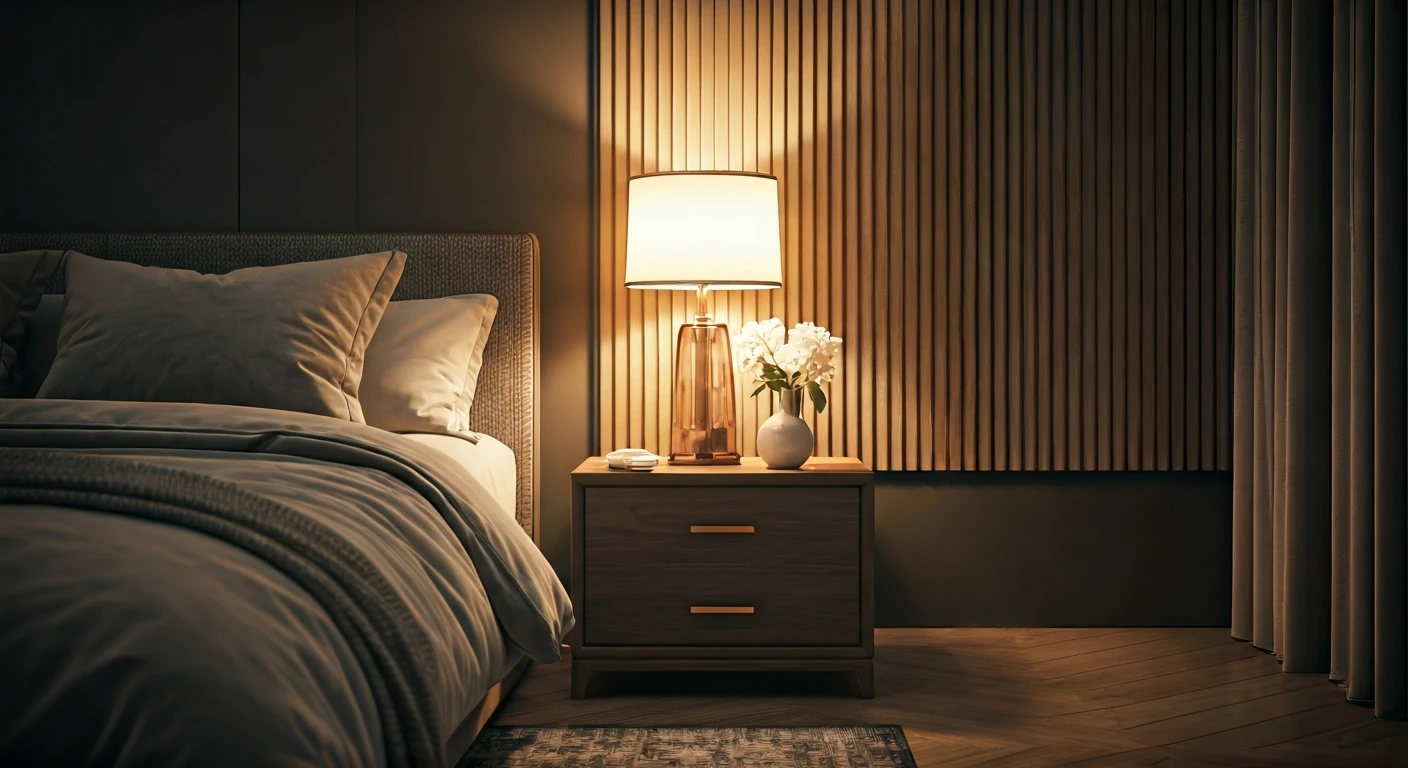
Where culture shifts, commerce follows. The pivot to prioritizing rest has birthed a multi-billion-dollar 'sleep economy.' It goes far beyond buying a comfortable mattress. Today, 'sleep as luxury' manifests as an entire ecosystem of products and services designed to optimize every second of your slumber. There are AI-powered beds that adjust temperature throughout the night, wearable rings that provide detailed sleep-stage analysis, and weighted blankets promising to soothe anxiety. The trend extends to experiences, too. High-end hotels now boast 'sleep concierges' and curated 'pillow menus.' Luxury 'sleep retreats' are popping up, offering multi-day programs with neuroscientists and yoga instructors, all dedicated to perfecting the art of rest. This commercialization proves the trend has legs; companies are betting big that we’re willing to invest significant cash in our quest for quality shut-eye, transforming it from a free, biological function into a premium, purchasable experience.
Science Makes Sleep Aspirational
This isn't just a feel-good fad. The wellness movement's embrace of sleep is heavily fortified by an ever-growing mountain of scientific research. We now understand, with more clarity than ever, the devastating consequences of sleep deprivation and the profound benefits of getting enough. Studies definitively link poor sleep to a higher risk of heart disease, dementia, obesity, and depression. Conversely, quality sleep is proven to enhance memory, boost immune function, improve mood, and increase cognitive performance. By framing sleep in terms of optimization and longevity, science has made it aspirational. Getting eight hours is no longer just about not being tired; it's about bio-hacking your body for a longer, healthier, and more productive life. This scientific backing gives the trend a gravity and seriousness that previous wellness fads often lacked, convincing even the most skeptical grinders to finally power down.
The Ultimate Modern Flex
In a world of performative productivity, the most powerful status symbol is no longer the thing you own, but the state you’ve achieved. Broadcasting that you’re “exhausted” now signals poor time management, not importance. The new flex is casually mentioning you got a solid eight or nine hours. It implies that you are so successful, so in control of your life, that you can afford the ultimate luxury: time. Time to disengage, to recover, and to invest in your own well-being. It suggests you have a job that respects boundaries, the financial resources to create a restful home environment, and the self-discipline to prioritize health over an endlessly scrolling feed. In an always-on culture, the ability to be 'off' is a privilege. Saying you’re well-rested is the 21st-century equivalent of showing up to the party in a Rolls-Royce.