


From Accessory to Activity
Not long ago, a houseplant was an afterthought—a lone ficus in the corner or a dusty succulent on a windowsill. Today, acquiring and caring for plants has evolved from a simple decorating choice into a full-blown hobby and a preferred weekend excursion.
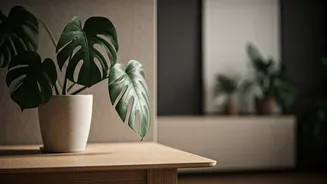
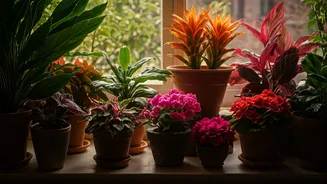
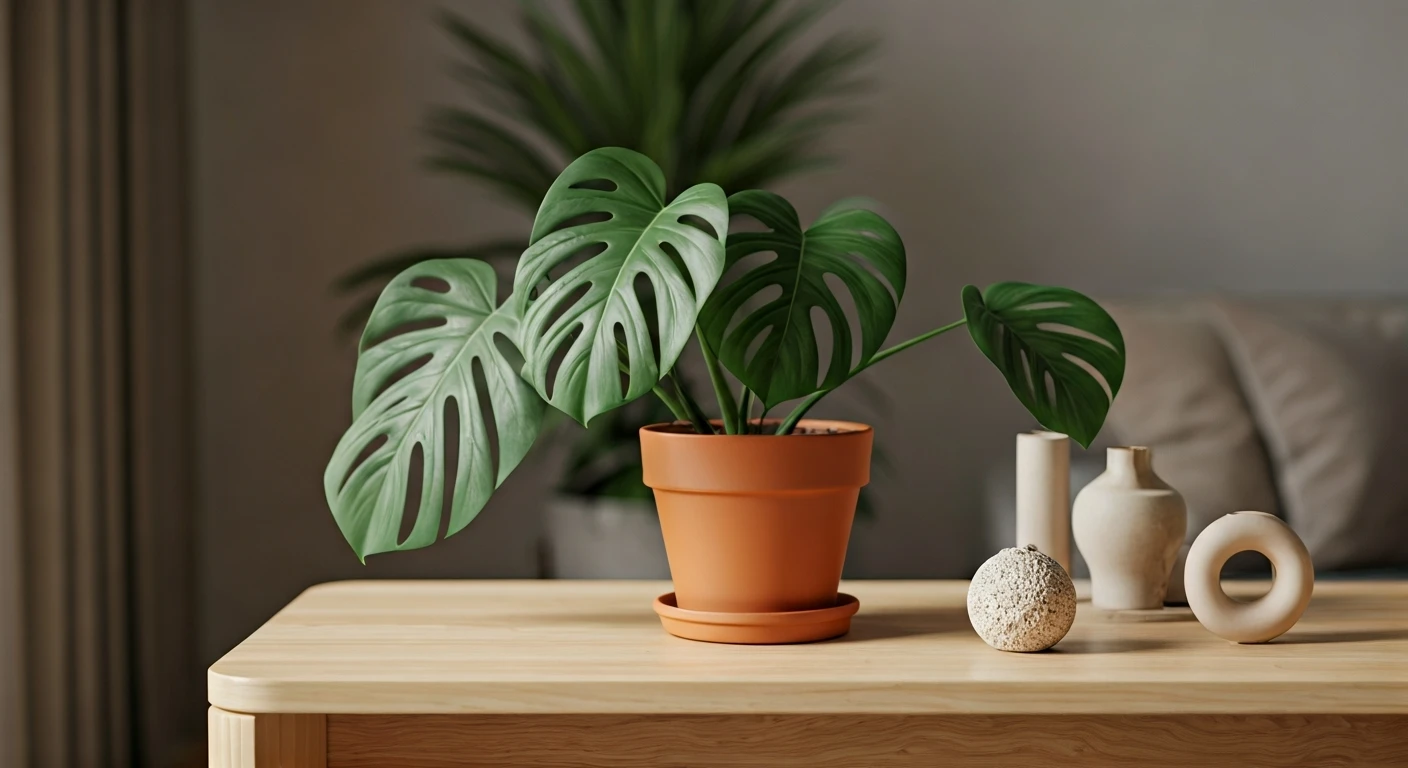
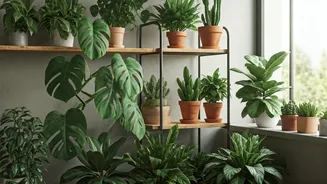
The shift reflects a deeper change in how we relate to our homes. After years of being encouraged to declutter and minimize, many are now embracing a new kind of maximalism: living, breathing maximalism. Our homes became our offices, gyms, and sanctuaries, and filling them with life became a priority. A trip to the garden center isn't just a chore; it’s an experience. It’s a treasure hunt for the perfect monstera, a tactile exploration of textures and shapes, and a welcome escape into a lush, oxygen-rich environment.
The Wellness Factor
This trend is deeply rooted in the modern pursuit of wellness. In a world of screens and notifications, nurturing a plant offers a tangible, analog connection to the natural world. The simple act of watering, pruning, and checking for new growth provides a mindful ritual that can lower stress and anxiety. Scientists call this 'biophilia'—our innate tendency to seek connections with nature. Bringing plants indoors is a direct response to that need, especially for city dwellers with limited access to green space. Caring for something and watching it thrive delivers a quiet sense of accomplishment that a new throw pillow simply can't match. It’s not just about aesthetics; it’s about cultivating a calmer, healthier personal environment.
An Accessible and Rewarding Hobby
Compared to other hobbies, plant parenthood has a relatively low barrier to entry. You don’t need expensive equipment or years of training to get started. A $10 pothos can bring just as much joy as a rare, costly import. This accessibility has made it a hit, particularly with millennials and Gen Z, who may be renting their homes and looking for portable ways to personalize their space. Unlike a major furniture purchase, a new plant is a low-commitment, high-reward investment. It adds immediate personality and life to a room. And as your collection grows, so does your expertise. Learning the difference between a calathea’s needs and a snake plant’s resilience becomes part of the fun, creating a journey of continuous discovery.
Fueling the Social Feed
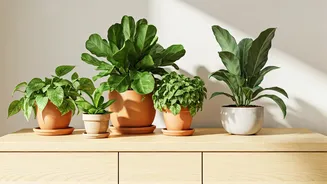
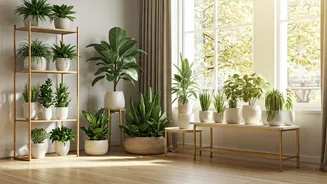
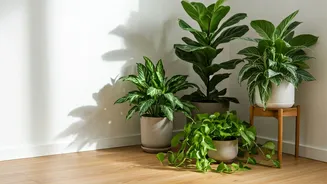
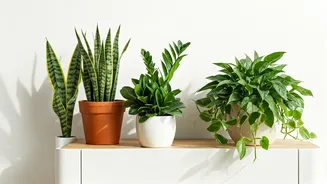
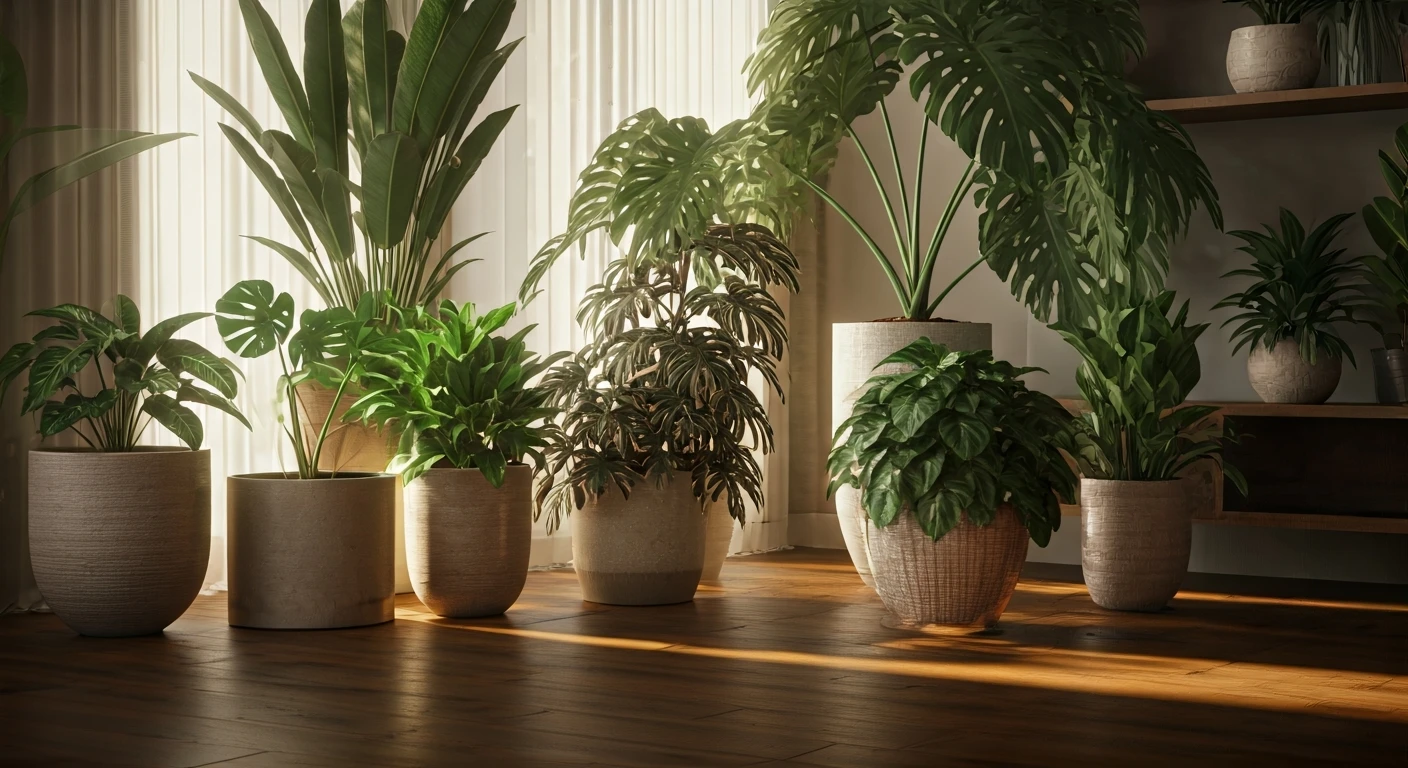
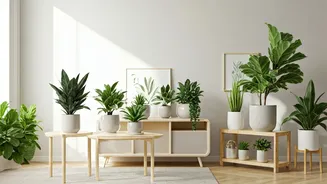
Of course, we can't ignore the social media effect. Platforms like Instagram and Pinterest are brimming with images of beautifully curated 'jungalows' and perfectly styled 'shelfies.' The hashtag #plantparent unites millions of users who share tips, celebrate new leaves ('new leaf, who dis?'), and commiserate over the occasional pest problem. This digital community transforms a solitary hobby into a shared social experience. It provides inspiration for that weekend nursery trip and a platform to show off your finds afterward. The aesthetic appeal of a sun-drenched room filled with greenery is undeniable, making plant shopping not just a personal activity, but a way to participate in a broader, visually driven cultural movement.
More Than a Store, It’s a Destination
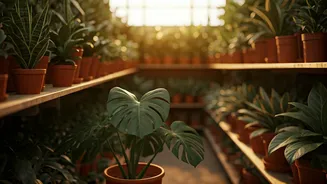
Ultimately, the appeal lies in the destination itself. Modern nurseries and garden centers have become beautiful, inspiring spaces. They are part boutique, part gallery, and part botanical garden. Wandering through aisles organized by light requirements, humidity needs, and pet-friendliness feels more like a relaxing exploration than a retail transaction. Many now feature curated pottery sections, stylish accessories, and coffee bars, encouraging visitors to linger. The act of choosing a plant—finding the one that 'speaks' to you—is a personal and satisfying process that has become the main event of the weekend, not just a stop on the way to something else.