







The Five-Star Spa Treatment
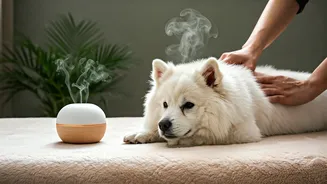
Step inside one of New Delhi’s high-end pet spas, and you might mistake it for a human wellness center. The air is thick with the scent of essential oils—lavender for calming, peppermint for energy. Soft, ambient music plays. Here, the clients aren't
stressed executives, but poodles, beagles, and golden retrievers. The menu of services is extensive. A typical session might begin with a warm hydrotherapy bath, followed by a deep-tissue massage administered by a trained pet therapist. Technicians meticulously give 'pawdicures,' trimming nails and moisturizing cracked pads. There are also offerings like oatmeal skin treatments for sensitive coats, stylish fur trims, and even dog-friendly blueberry facials. These establishments, like Flying Fur or Canine Cuddles, are more than just groomers; they are full-service wellness retreats. They cater to a clientele that spares no expense. Owners can book packages that include everything from post-operative physiotherapy to behavioral therapy sessions, all within a pristine, hygienic environment that screams luxury.
India's New 'Fur Baby' Culture
So, who is paying for this, and why? The trend is a direct reflection of profound social and economic shifts in urban India. Over the past two decades, a burgeoning upper-middle class with significant disposable income has emerged. For many, particularly young, urban professionals in dual-income households, pets have taken on a new role. They are no longer just guard animals or outdoor companions; they are surrogate children, or 'fur babies.' As family structures change, with couples marrying later and having fewer children, pets are filling an emotional void. They are integral members of the nuclear family, deserving of the same care and indulgence as any other loved one. Spending lavishly on a pet's comfort is not just about pampering the animal; it's a potent expression of status and a way to participate in a globalized consumer culture. Posting a photo of your Shih Tzu’s spa day on Instagram is a new kind of social currency.
A Booming Pet-Care Market
This cultural shift has fueled a commercial explosion. The Indian pet care market is one of the fastest-growing in the world. What was once a niche industry dominated by basic food and veterinary services is now a multi-billion dollar sector encompassing gourmet food, bespoke accessories, advanced medical care, and, of course, luxury wellness. Entrepreneurs are rushing to capitalize on the trend, opening pet cafes, dog bakeries, and high-end boarding facilities that resemble boutique hotels. International pet food and accessory brands are also making a major push into the Indian market, recognizing the immense potential. This isn't just an Indian phenomenon, but a local expression of a global trend. The humanization of pets has been driving the pet industry in the U.S. and Europe for years. Now, as Indian cities become more integrated into the global economy, they are adopting its lifestyle markers—and the pampered pooch is one of the most visible.
A Tale of Two Realities
This world of canine luxury exists in stark contrast to another, more familiar reality of animals in India. The same cities that host these elite pet spas are also home to millions of stray dogs, known as 'indies.' These animals often live hard lives, battling for food, surviving traffic, and relying on the kindness of community caregivers. The juxtaposition is jarring: a pampered purebred receives a fragrant oil massage in a plush salon, while just a few blocks away, a stray scrounges for scraps. This contrast isn't a criticism of the pet owners, but a reflection of the deep and growing economic disparities that characterize modern India. The emergence of this ultra-luxury niche highlights a society in rapid, and often uneven, transition.