



The King of Fruits
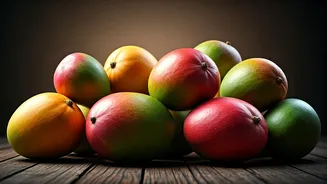
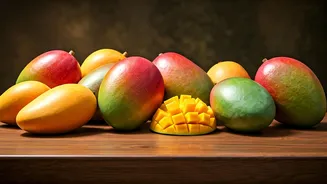
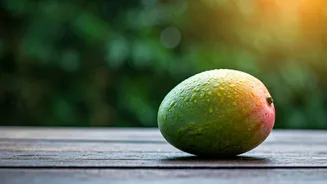
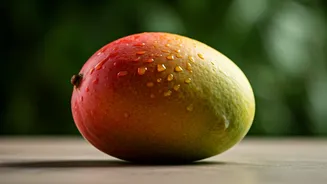
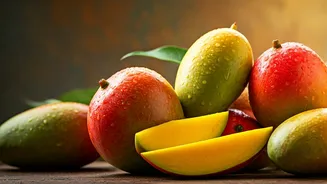
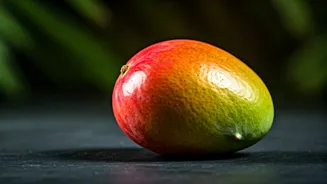
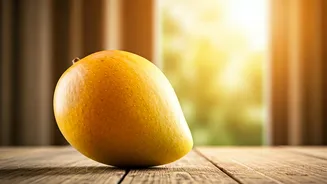
In the United States, a mango is a mango. It's a sweet, fleshy, vaguely tropical fruit that shows up in smoothies and salsas. In India, however, the mango is not just a fruit; it's a cultural institution. It's the undisputed “King of Fruits,” a symbol
of summer, a fixture in poetry and folklore, and a source of intense regional devotion. Families have their favorite varieties, and debates over which is superior—the honeyed Alphonso from Maharashtra, the fragrant Kesar from Gujarat, the sweet-and-sour Dasheri from Uttar Pradesh—are a national pastime. The arrival of the first mangoes of the season is a celebrated event, marking the end of spring and the beginning of a long, hot summer sweetened by this unparalleled bounty. This deep cultural reverence is the root of the “pride” in every box of mangoes that leaves Indian shores.
The Decades-Long Exile
For years, Americans could only hear about these legendary mangoes. From 1989 until 2007, the United States banned the import of fresh Indian mangoes. The official reason was phytosanitary: the U.S. Department of Agriculture (USDA) was concerned about the potential introduction of non-native pests, like fruit flies and stone weevils, that could devastate American crops. For nearly two decades, Indian mangoes were forbidden fruit in the world’s largest consumer market. While mangoes from Mexico, Peru, and Brazil filled U.S. supermarket shelves, the varieties that Indians considered the pinnacle of flavor were locked out. This wasn't just a trade issue; for the vast Indian diaspora in America, it was a culinary and cultural void—a nostalgic taste of home that remained tantalizingly out of reach.
A Nuclear-Powered Comeback
The breakthrough came from an unlikely place: nuclear diplomacy. As part of a broader warming of India-U.S. relations, which included a landmark civil nuclear deal, agricultural trade became a key point of negotiation. The solution to the pest problem was a scientific one: irradiation. The agreement stipulated that before being shipped to the U.S., Indian mangoes had to undergo low-dose radiation treatment at a USDA-approved facility. This process, known as irradiation, effectively sterilizes any potential pests without harming the fruit or making it radioactive. In 2007, after years of negotiations and scientific assurances, the first legally imported shipment of Indian mangoes in 18 years landed on American soil. It was a moment of triumph, celebrated in Indian-American communities with the fervor of a long-awaited reunion.
The Sweet Taste of Victory
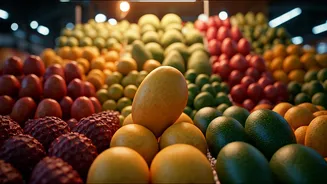
Today, the arrival of Indian mangoes each spring is a highly anticipated event. They command a premium price, often selling for several dollars per fruit in specialty grocery stores and Indian markets across the country. They are not the everyday mango you’ll find stacked high in a big-box store; they are a luxury item, savored by those in the know. The star of the show is typically the Alphonso, renowned for its creamy, non-fibrous texture and complex, saffron-infused sweetness. But other champions like the Kesar and Banganpalli have also found a devoted following. For Indian-Americans, sharing a box of these mangoes is a way to share a piece of their heritage. For other American food lovers, it's a chance to taste what many consider the best mango in the world—a fruit so good it was worth rewriting international trade rules to get.