

First, What Is Soft Urban Travel?
Before we dive into the why, let's define the what. Soft urban travel is the antidote to the vacation that leaves you needing another vacation. It prioritizes a relaxed pace, a comfortable atmosphere, and aesthetic enjoyment over a mad dash to check off
landmarks. Think of it as prioritizing the *vibe* of a city over its monuments. It’s about spending three hours in a beautiful cafe, not three hours in line for a museum. It’s about leisurely strolling through a quiet, charming neighborhood and discovering a small shop, not power-walking through a crowded city center. This style of travel is less about conquering a destination and more about coexisting with it, finding joy in the simple, beautifully designed moments of daily life. For a generation burnt out on the pressure to optimize everything, even leisure, it’s a welcome exhale.
The Cafe Is the Destination
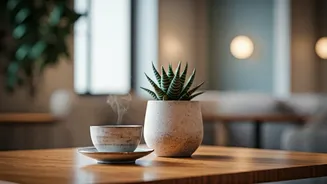
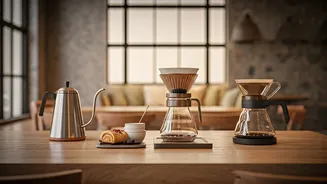
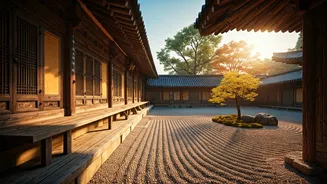
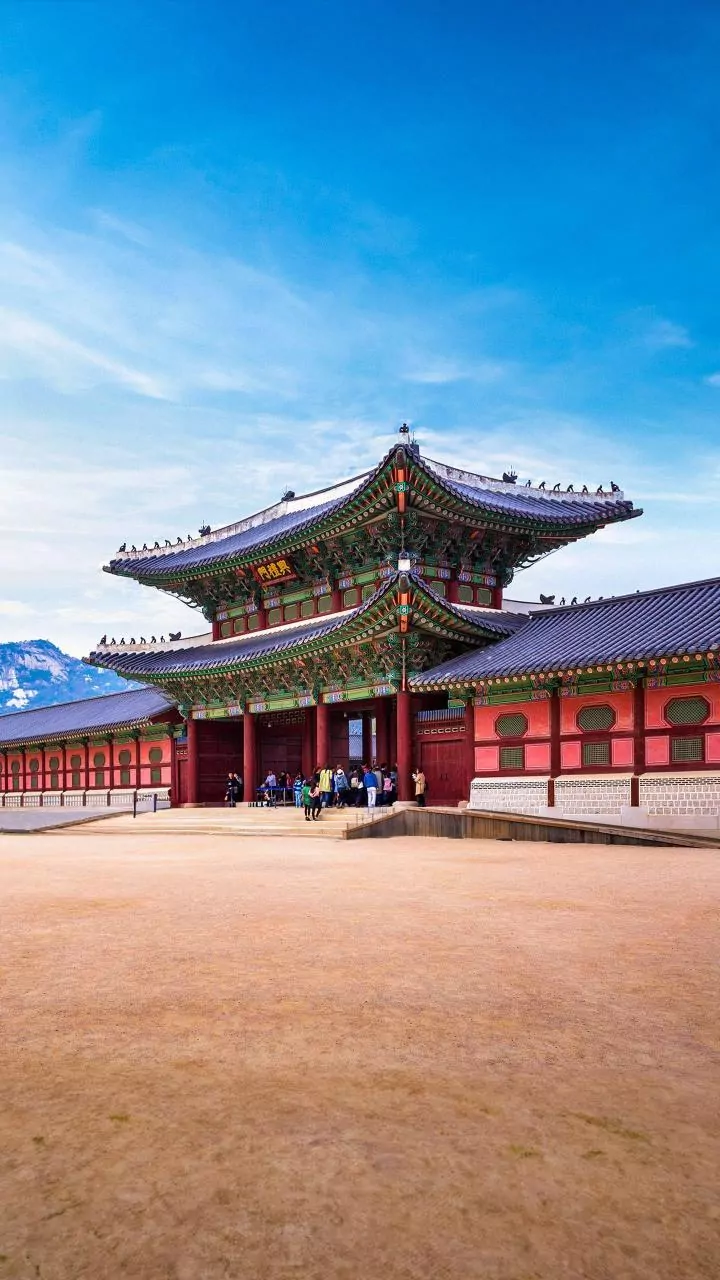
In the U.S., a cafe is often a transactional space: get your coffee, and maybe sit for a while if there’s room. In South Korea, the cafe is an event in itself. Cities like Seoul and Busan are saturated with thousands of them, each offering a unique experience. There are multi-story cafe-roasteries that feel like modern art galleries, cozy spots tucked into traditional hanok buildings, and whimsical themed cafes dedicated to everything from cartoon characters to floral arrangements. South Koreans use these spaces to study, socialize, relax, and work. For the soft traveler, this means you always have a comfortable, clean, and aesthetically pleasing 'third place' to recharge. You can build an entire day around visiting just one or two, enjoying specialty drinks and elaborate desserts without feeling rushed.
Effortless and Spotless Transit
Nothing kills a relaxed city vibe faster than stressful, confusing, or dirty public transportation. This is where South Korea truly excels. The Seoul Metropolitan Subway is a marvel of efficiency, cleanliness, and connectivity. Signs are in English, announcements are clear, and a single rechargeable T-money card grants you access to subways and buses across the country. The trains are punctual, air-conditioned, and equipped with free Wi-Fi. This system removes a massive layer of travel friction. You can glide from a palace to a trendy neighborhood to a riverside park with minimal effort and cost, preserving your energy for enjoyment rather than navigation.
Neighborhoods Built for Wandering
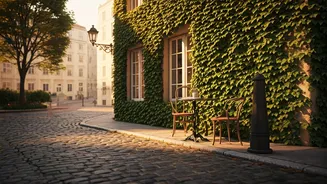
While every city has its main drags, South Korea's urban centers are collections of distinct neighborhoods perfect for aimless exploration. In Seoul, you can skip the dense crowds of Myeongdong and instead get lost in the quieter, creative alleys of Yeonnam-dong, filled with independent boutiques and artist studios. Explore Ikseon-dong, where a labyrinth of covered walkways connects modernized traditional houses now operating as restaurants and cafes. Or head to Seongsu-dong, the “Brooklyn of Seoul,” where old industrial warehouses have been converted into cavernous coffee shops and pop-up galleries. These areas are pedestrian-friendly and designed on a human scale, rewarding slow walkers with hidden gems at every turn.
Safety That Encourages Serendipity
Soft travel thrives on a sense of security. South Korea is consistently ranked as one of the safest countries in the world. The extremely low crime rate creates a palpable feeling of public trust. People leave laptops on cafe tables when they use the restroom. Lost wallets are often turned in to the police. For travelers, especially solo travelers, this translates into freedom. It’s the freedom to wander down a side street at night, to explore without constantly clutching your bag, and to be open to serendipitous moments without the background hum of anxiety. This fundamental sense of safety is the invisible infrastructure that makes a truly relaxed urban experience possible.
An Oasis Is Always Nearby
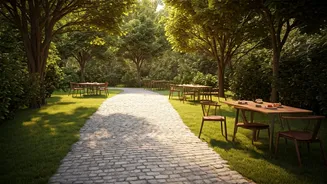
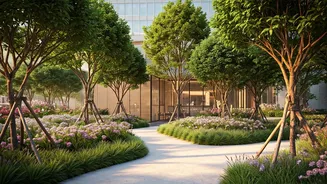
Even the most dedicated urbanist needs a break from the concrete. South Korean cities brilliantly integrate natural escapes into the urban fabric. In Seoul, the Han River is flanked by miles of parks, bike paths, and recreational areas where you can rent a tent for an afternoon nap or have food delivered for a picnic. Seoul Forest offers a dense canopy of trees, a deer enclosure, and art installations, feeling like a world away from the city that surrounds it. Even smaller streams like the Cheonggyecheon have been reclaimed as landscaped public walkways, providing a peaceful corridor through the heart of downtown. This easy access to green space ensures you can always balance a day of city exploration with a moment of natural tranquility.