



The Elephant in the Valley: Acknowledging the Crowds
Let’s be honest. If you arrive in Manali’s main Mall Road during peak season expecting a quiet mountain hamlet, you’ll be disappointed. The stories are true: traffic can be a nightmare, the main streets are packed, and commercialization has hit hard.
The same goes for the central strip of Kasol, which can feel more like a bustling party hub than a tranquil riverside retreat. For decades, these destinations in the Indian state of Himachal Pradesh have been the heart of the backpacker “hippie trail,” and that popularity has a price. The hype has attracted hordes of domestic and international tourists, leading to a boom in concrete hotels and cafes blasting electronic music. It’s easy to see why some jaded travelers might declare them “over.” But judging them solely on their most crowded square footage is like judging New York City by Times Square alone.
Manali’s Enduring Soul: Beyond the Mall Road
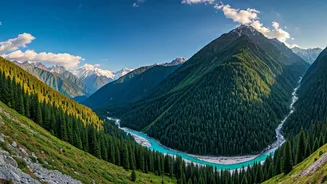
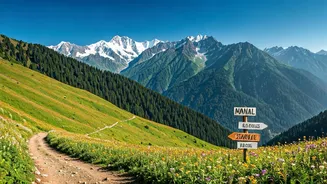
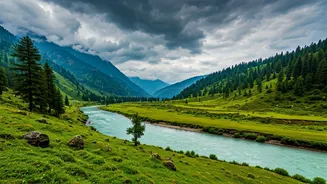
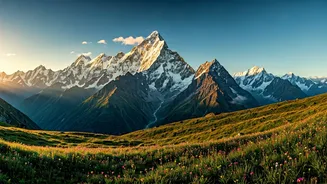
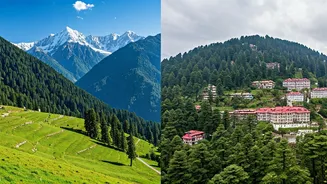
The real allure of Manali was never the town center; it was the staggering beauty of the Kullu Valley it inhabits. The secret is to use Manali as a base, not the final destination. A short, steep walk or a quick auto-rickshaw ride takes you to Old Manali, which still retains a semblance of its bohemian past. Here, tucked among apple orchards and traditional wooden homes, you’ll find charming guesthouses, laid-back cafes overlooking the gushing Manalsu River, and the ancient Hadimba Devi Temple, a wooden marvel set in a serene cedar forest. This is where the pace slows. Manali is also the starting point for some of the world’s most epic road trips, like the journey to Leh via the Rohtang Pass, or treks into pristine alpine meadows. The town is a gateway, and the gate is still wide open to real adventure.
Kasol: Gateway to a Greener World
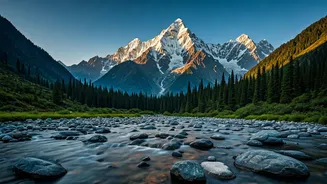
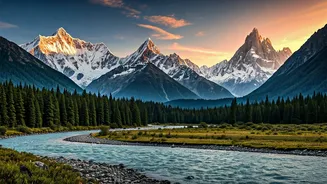
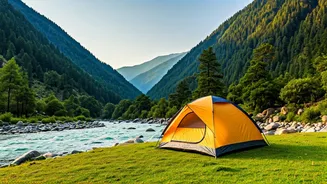
Kasol’s role is similar, but its backyard is arguably even more magical. Situated on the banks of the Parvati River, Kasol is the main hub for exploring the eponymous Parvati Valley. While the town itself can be a whirlwind of Israeli cafes, bakeries, and souvenir shops, its true purpose is to be a launching pad. The real prize lies just a short trek or bus ride away. The air gets cleaner, the soundscape shifts from trance music to the roar of the river, and the Himalayan peaks feel impossibly close. The valley is threaded with hiking trails that lead to traditional villages where life moves at a different rhythm. Kasol isn’t the destination; it’s the place you stock up on supplies and catch your breath before heading into the stunning, raw nature that made this region famous in the first place.
How to Find the Magic: A Modern Backpacker's Guide
So, how do you make it “worth the hype”? By being a smart traveler. First, timing is everything. Avoid the peak Indian summer holiday season (May-June) if you can; the shoulder seasons of April, September, and October offer better weather and fewer crowds. Second, go deeper. From Kasol, don’t just stay on the main street. Hike to the village of Chhalal, or take a bus further up the valley to the trekking hub of Tosh. Known for its spectacular views and wooden houses, Tosh offers a glimpse of the valley’s quieter side. From Manali, explore the nearby villages of Vashisht, with its hot springs, or venture into the Solang Valley for adventure sports without the urban crush. The rule is simple: the further you walk from the main road, the more authentic your experience becomes. Engage with local guesthouse owners, eat at family-run dhabas, and spend your money in a way that supports the communities, not just the commercial core.