






A World Built on Water
The Indian monsoon isn't just a bit of rain; it's a seasonal reversal of winds that ushers in months of transformative, near-daily downpours across the subcontinent. For ferns, this is paradise. Unlike plants with deep, water-seeking taproots, most ferns have
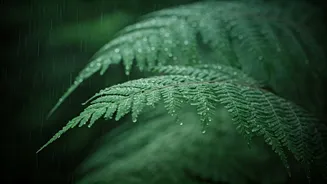
shallow, fibrous root systems called rhizomes that spread just below the surface. They can't dig deep for moisture, so they rely on the ground around them being consistently damp, but not waterlogged. The monsoon provides this perfectly. The frequent, heavy rains keep the soil perpetually moist, allowing the roots to absorb water without having to search for it. This constant hydration fuels the explosive growth of their iconic fronds, turning hillsides into seas of green. In a way, the monsoon offers a drink on demand, which is exactly what these ancient plants are programmed to expect.
Humidity: The Air They Breathe
Walk into the air during a monsoon, and you feel it instantly—a thick, heavy humidity that clings to everything. While it might feel oppressive to us, for a fern, it’s like breathing in a nutrient-rich soup. Ferns are special in that many can absorb moisture directly through their leaves, a process known as foliar uptake. The humidity during the monsoon often hovers between 80% and 95%, creating an environment where the air itself helps hydrate the plant. This is why a dry, air-conditioned American living room can be a death sentence for a Boston fern. The crispy brown tips on its fronds are essentially a sign of thirst. The plant is losing moisture to the dry air faster than its roots can absorb it from the soil. The monsoon’s blanket of humidity prevents this water loss, keeping the delicate fronds lush, green, and fully unfurled.
The Perfect Dappled Light
Ferns are, by nature, understory plants. They evolved over millions of years on shaded forest floors, living beneath the canopy of taller trees. They are adapted to thrive in dappled, indirect light—not the harsh, direct sun that scorches their delicate foliage. The monsoon season delivers this exact lighting condition on a massive scale. The thick cloud cover that accompanies the rains acts as a giant natural diffuser, scattering the sun's rays and bathing the landscape in a soft, even light. This prevents the fronds from burning while still providing enough energy for photosynthesis. The sun is powerful, but it's filtered, creating an ideal balance of light and shade that allows ferns to flourish without being overwhelmed. It mimics the protective embrace of a forest canopy, but across an entire region.
From the Jungle to Your Living Room
Understanding the monsoon unlocks the secret to happy ferns in your own home. Your fussy maidenhair fern isn't trying to be difficult; it's just a tropical plant dreaming of its rainy season. You can become its personal monsoon by mimicking these conditions. Keep the soil consistently moist but never soggy—think damp sponge, not mud puddle. This honors their need for constant access to water. Next, tackle the humidity. Grouping plants together, placing them on a pebble tray with water, or using a small humidifier can create a microclimate that replicates that thick, wet air. And finally, pay attention to light. Keep your fern out of direct sunbeams. An east-facing window that gets gentle morning sun or a spot a few feet back from a bright south-facing window is often perfect. You're essentially recreating that filtered, monsoon-sky light in your own space.