
More Than Just Birdseed
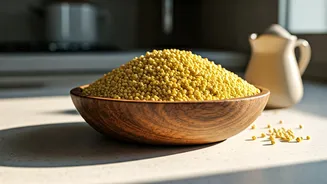
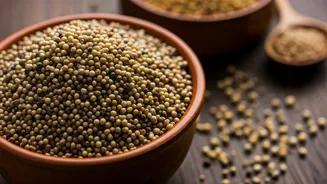
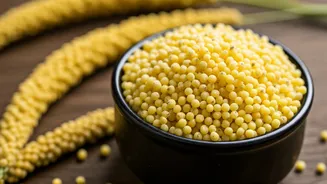
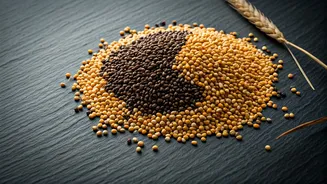
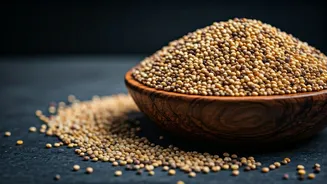
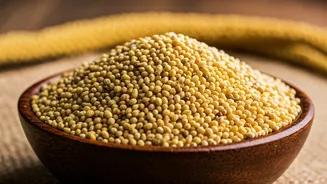
For many Americans, the word ‘millet’ conjures a single image: a bag of tiny, pale yellow seeds for parakeets. That association has done a massive disservice to one of the world’s most important and versatile food sources. Millet isn’t one single grain;
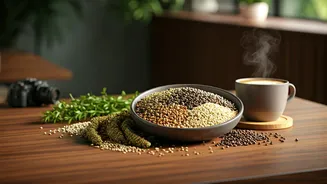
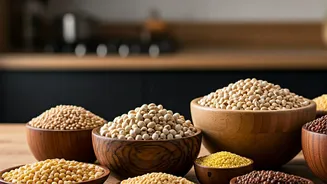
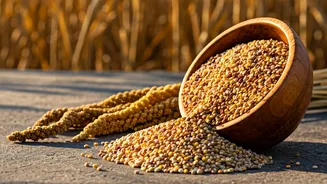
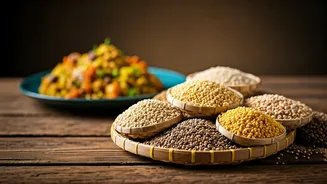
it’s a diverse group of small-seeded grasses that includes varieties like pearl, foxtail, proso, and finger millet. Cultivated for millennia across Africa and Asia, these grains have been a foundational staple for civilizations long before wheat and rice dominated the global pantry. They are naturally gluten-free, cook up with a fluffy texture similar to couscous or a creamy consistency like porridge, and carry a mild, slightly nutty flavor that makes them a perfect canvas for other ingredients. It’s time to forget the birdcage and start thinking about the dinner plate.
The Original Superfood
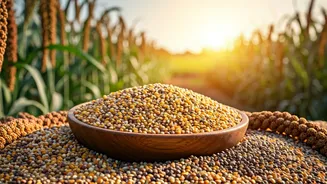
Before ‘superfood’ was a marketing buzzword, there was millet. Its ‘heritage’ status isn't just about age; it’s about resilience. These grains evolved to thrive in harsh, arid conditions where other crops would fail, requiring significantly less water than wheat, rice, or corn. This made them a crucial food security crop for millions of people in semi-arid regions of the world. For thousands of years, they were the bedrock of diets, providing essential nutrients in a tiny, powerful package. Packed with fiber, protein, and vital minerals like magnesium and iron, millets have sustained populations through droughts and famines. Their low glycemic index also means they release energy slowly, preventing the sugar spikes associated with more refined grains. This isn't a new discovery; it's ancient wisdom the modern world is just now rediscovering.
The 21st-Century Comeback
So why the sudden ‘swagger’? Millets happen to tick all the boxes for the modern, conscious consumer. First, the gluten-free boom created an opening for alternative grains, and millet is a natural fit. Second, the wellness movement’s focus on nutrient-dense, whole foods makes its impressive nutritional profile a major draw. But the biggest driver might be sustainability. As climate change puts increasing pressure on water resources, a drought-tolerant grain that requires fewer inputs is no longer just a good idea—it’s a necessity. Chefs and food innovators are embracing millets for their story as much as their flavor. The United Nations even declared 2023 the ‘International Year of Millets’ to promote their potential to combat hunger and adapt to a changing planet. This combination of health benefits, culinary versatility, and climate-friendly credentials gives millet its undeniable modern cool.
Getting It on Your Plate
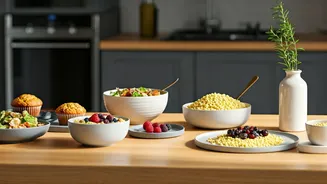
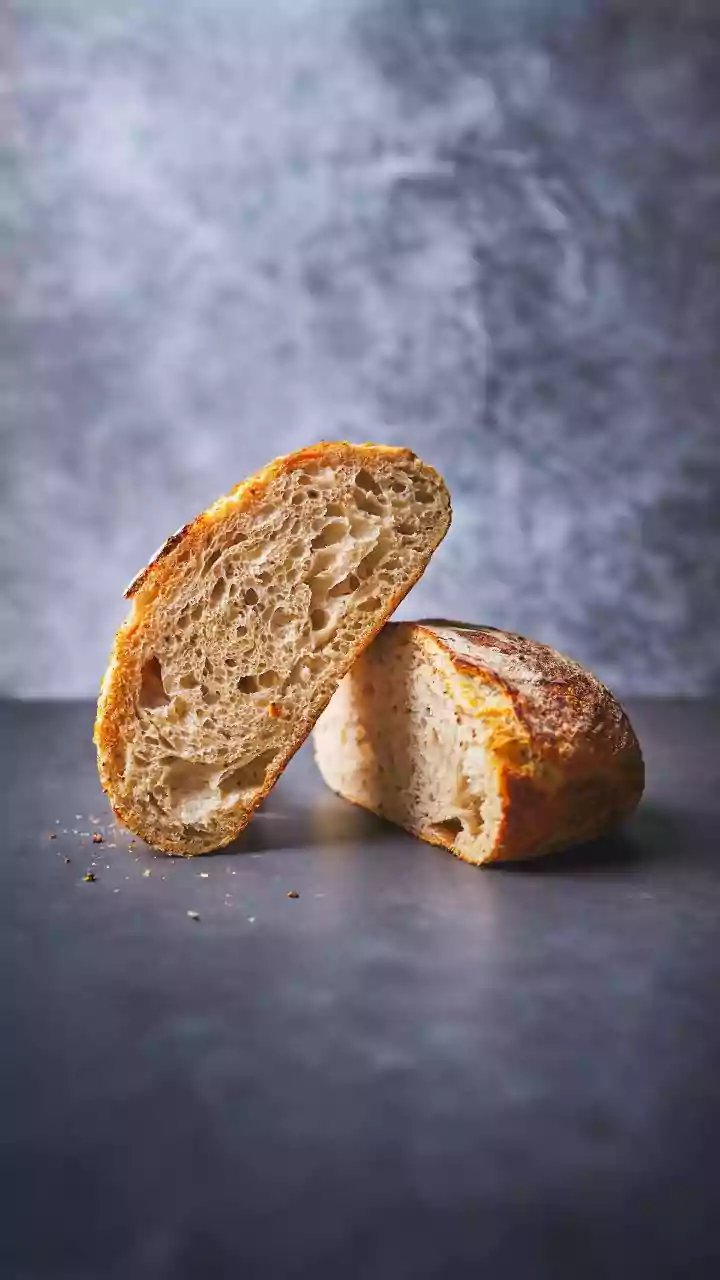
The best part about millet’s newfound popularity is its growing accessibility. You can now find it in the grain aisle of most major supermarkets, often sold as whole grain or as flour. So how do you use it? The simplest way is as a substitute for rice or quinoa. Toasting the grains in a dry pan for a few minutes before adding water enhances their nutty flavor. Cooked millet makes a fantastic base for grain bowls, a hearty addition to soups and stews, or a fluffy side dish for roasted vegetables or grilled chicken. For breakfast, cook it with milk or water for a creamy porridge, then top with fruit and nuts. Millet flour can be used in gluten-free baking for pancakes, muffins, and flatbreads. Creative food brands are even using puffed millet in granola and snack bars, offering a satisfying crunch. Experimentation is key—it’s a forgiving grain that welcomes bold flavors.