








What Exactly Is Grounding?
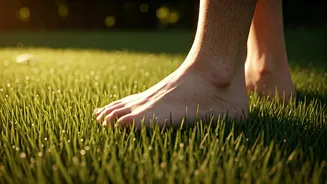
At its core, grounding is breathtakingly simple: it’s the practice of placing your bare skin in direct contact with the surface of the Earth. That means walking barefoot on grass, dirt, or sand; lying on the beach; or even gardening with your bare hands.
The central idea, pushed by proponents of the earthing movement, is that our modern, shoe-wearing, indoor-living lifestyles have disconnected us from a vital energy source: the planet itself. The theory suggests the Earth holds a subtle, negative electrical charge. By making direct contact, our bodies can supposedly absorb free electrons from the ground, which proponents believe creates a stable internal bioelectrical environment, much like grounding an electrical appliance to prevent charge buildup.
The Claims: A Cure-All Under Your Feet?
The list of benefits attributed to grounding is long and ambitious. Adherents and some wellness practitioners claim it can do everything from reducing chronic inflammation—often cited as a root cause of many diseases—to improving sleep, lowering stress by regulating cortisol, thinning blood to improve circulation, and speeding up recovery from injury. It sounds almost too good to be true: a free, universally available health tool that can tackle some of modern life’s most persistent ailments. The promise is that by simply reconnecting with the ground beneath us, we can reset our bodies, calm our nervous systems, and fight off the negative effects of our insulated, high-tech world.
The Science: What Does the Research Say?
This is where things get complicated. The scientific community at large remains skeptical of earthing’s more dramatic claims. Most of the supporting research comes from small-scale studies, often published in niche journals and sometimes funded by companies that sell grounding products (like special mats and sheets). For example, one oft-cited study published in the Journal of Alternative and Complementary Medicine found that grounding appeared to reduce blood viscosity, a factor in cardiovascular disease. Another small study suggested it could regulate the stress hormone cortisol. However, these studies often lack the large sample sizes, rigorous controls, and double-blind methods that are the gold standard of medical research. Critics argue that any reported benefits could be due to the placebo effect or other related factors, like simply spending more time outdoors and being mindful. Mainstream medicine has not endorsed grounding as a treatment for any condition.
Beyond Electrons: The Undeniable Benefits
Even if you set aside the entire electrical-charge theory, a barefoot walk on the grass still has plenty going for it. The simple act of getting outside and into nature is a proven mental and physical health booster. The Japanese practice of *shinrin-yoku*, or “forest bathing,” is backed by research showing it can lower blood pressure, reduce stress, and improve mood. Walking barefoot also engages the small muscles in your feet, ankles, and calves, which can help improve balance and proprioception (your sense of where your body is in space). Furthermore, taking a few minutes to walk slowly and mindfully on a natural surface is a powerful meditative practice. It forces you to slow down, pay attention to physical sensations, and disconnect from digital distractions. Whether it’s electrons or just a much-needed break, the result is often a feeling of calm and well-being.
How to Try It (Safely and Simply)
Curious to give it a try? The good news is that grounding is free and requires no special equipment. Find a patch of grass, sand, or even unpainted concrete. A local park, your backyard, or a nearby beach are all great options. Aim for 15 to 30 minutes of direct contact. The most important thing is safety: always be aware of your surroundings. Scan the ground for sharp objects like glass, rocks, or thorns before you take your shoes off. Be mindful of pesticides or chemicals if you’re in a treated public park, and watch out for insects or other critters. If you live in a city, a well-maintained park lawn is often your best bet. The point isn’t to take risks, but to find a safe, simple way to reconnect.