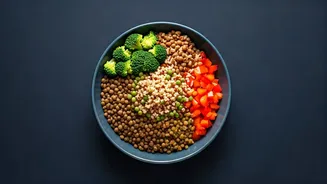


The Heart of the Plate
In the American culinary mindset, protein often means meat, and legumes—beans, lentils, peas—are relegated to a side dish, a chili ingredient, or a soup. But across the vast and varied landscape of South Asian (or “Desi”) cuisine, legumes are the main
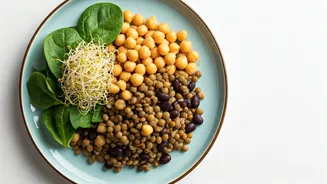
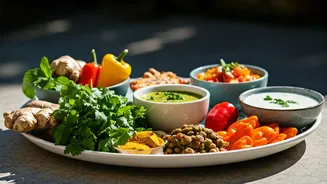
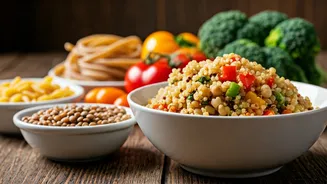
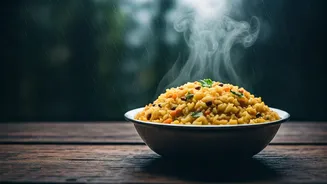
event. A meal is often built around a flavorful pot of dal (lentils), chana (chickpeas), or rajma (kidney beans). These aren't just additions; they are the heart of the plate, providing substance, flavor, and the core of the meal's nutritional value. Whether it’s a simple dal served with rice or a rich, creamy dal makhani scooped up with fresh naan, legumes are treated with the respect and culinary creativity that a main course deserves. This centrality is key to understanding their role as a “hero”—they are the reliable, everyday foundation of a healthy and satisfying diet for over a billion people.
A Nutritional Powerhouse
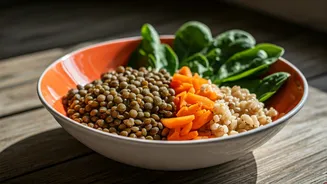
The headline's claim of a “protein-fibre hero” is no exaggeration. Legumes are a uniquely potent source of both. A single cup of cooked lentils can provide around 18 grams of protein and 16 grams of fiber, which is more than half the daily recommended fiber intake for most adults. This one-two punch is crucial. The protein provides the building blocks for muscle and keeps you feeling full, while the fiber aids digestion, stabilizes blood sugar levels, and feeds the beneficial bacteria in your gut. While most plant proteins are “incomplete” on their own, Desi cuisine instinctively solved this problem centuries ago. The classic pairing of dal with rice or roti (a flatbread) creates a complete protein, providing all the essential amino acids the body needs. Beyond protein and fiber, legumes are packed with essential micronutrients like folate, iron, potassium, and magnesium, often in more significant quantities than in more expensive “superfoods.”
A Universe of Flavor and Texture
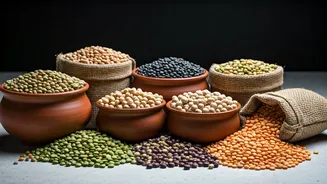
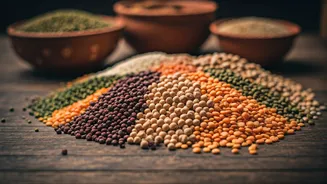
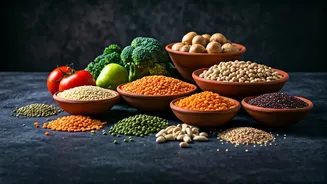
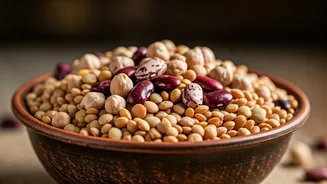
To say you’re eating “lentils” in a Desi context is like saying you’re eating “pasta” in an Italian one—it tells you almost nothing. The variety is staggering. There’s the quick-cooking, earthy red lentil (masoor dal), the mild and creamy split yellow pigeon pea (toor/arhar dal), and the hearty, whole black lentil (urad dal) that forms the base of the luxurious dal makhani. Each legume has a distinct flavor, texture, and cooking property. This diversity is amplified by a masterful use of spices. A tarka (or tadka)—spices bloomed in hot oil or ghee—is often poured over the cooked dal at the end, infusing it with layers of flavor. Cumin, mustard seeds, turmeric, coriander, and asafoetida don't just season the legumes; they transform them into complex, aromatic dishes that range from soupy and light to thick and stew-like. From the tangy chickpea curry known as chana masala to the comforting kidney bean stew of rajma, the culinary possibilities are endless.
Ancient Wisdom Meets Modern Wellness
It’s impossible to ignore how perfectly this ancient culinary tradition aligns with modern wellness trends. As more Americans seek out plant-based diets for health, environmental, and ethical reasons, Desi cuisine offers a time-tested blueprint. It’s not a diet of imitation meats and processed soy but a celebration of whole, natural ingredients. The emphasis on fiber-rich legumes resonates with growing awareness around gut health. Furthermore, legumes are incredibly affordable and sustainable. They require less water to grow than many other crops and actually enrich the soil by fixing nitrogen, reducing the need for chemical fertilizers. In a world grappling with food security and climate change, a diet centered on legumes isn't just healthy for the individual; it's healthy for the planet. The Desi kitchen has known this for generations; the rest of the world is just catching up.