




What Is Mood-Based Travel?
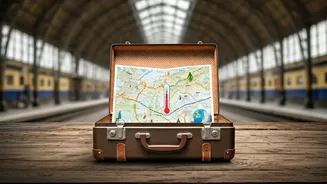
At its core, mood-based travel—sometimes called ‘vibe-cationing’—flips the script on trip planning. Instead of starting with a destination (‘We have to go to Rome!’), you start with a desired emotional outcome. The first question isn’t ‘Where?’ but ‘How
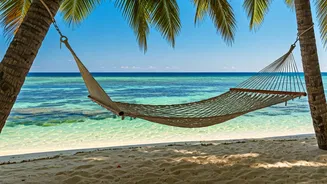
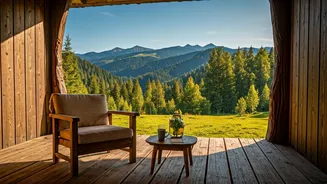
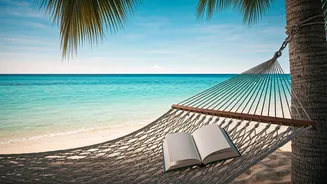
do I want to feel?’ Do you want to feel completely unplugged and serene? Rejuvenated and inspired? Adventurous and alive? Or maybe you’re craving a sense of deep connection with a partner or friend. By identifying the feeling first, you open yourself up to a world of possibilities that exist outside the usual top-ten lists. A trip centered on ‘serenity’ might lead you to a quiet cabin in the Blue Ridge Mountains instead of a crowded beach resort. A quest for ‘inspiration’ could mean exploring the vibrant arts scene in Santa Fe rather than fighting crowds at the Louvre.
The Backlash Against 'Perfect' Travel
This trend didn’t appear in a vacuum. It’s a direct response to the pressure cooker of social media and the phenomenon of ‘destination FOMO’—the fear of missing out on a supposedly essential travel experience. For years, the unwritten goal of a vacation was to return with a camera roll of evidence proving you had a good time, preferably at a location your friends would recognize and envy.
But the burnout is real. Travelers are growing tired of itineraries dictated by Instagram algorithms, of waiting in line for the same photo everyone else is taking. The post-pandemic era has also accelerated a collective desire for more meaningful and authentic experiences. We’re less interested in ‘doing it for the ‘gram’ and more interested in genuinely recharging our batteries. Mood-based travel is the ultimate form of self-care, reclaiming vacation as a tool for personal fulfillment, not public performance.
It's About the Vibe, Not the Landmark
Thinking in moods unlocks a more creative and often more affordable approach to travel. If the vibe you’re after is ‘old-world romance and charming cafes,’ you might find it in Quebec City or Savannah just as easily as in Paris, but with fewer crowds and lower costs. This is the logic behind ‘destination dupes’—lesser-known spots that deliver the same experience as their famous counterparts.
Expedia’s 2024 travel trends report identified ‘vibe-cations’ as a major movement, with travelers prioritizing the overall ambiance of their trip. They’re searching for ‘slow-life’ getaways or ‘thriving city energy’ rather than just city names. This approach decentralizes travel, spreading tourism dollars to new communities and easing the strain of over-tourism on bucket-list staples like Venice and Barcelona. A win for the traveler is also a potential win for the planet and local economies.
How to Plan Your Own Mood-Centric Trip
Ready to try it? The first step is a simple check-in with yourself. Before you open a single travel website, grab a notebook and jot down some words that describe how you want to feel at the end of your next break. Are you craving quiet, excitement, warmth, or wonder?
Once you have your mood words, use them as your new search terms. Instead of ‘best beaches in Florida,’ try searching for ‘quiet, secluded coastal towns’ or ‘beaches with a lively, social atmosphere.’ Think about past trips where you felt truly happy and relaxed. What were the core elements? Was it the food, the nature, the lack of a schedule? Use that personal data to build a new trip that doubles down on what truly brings you joy. The goal is to design a vacation that fits you, not to squeeze yourself into a pre-packaged idea of what a vacation should be.