


Beyond the Open-Concept Box
Forget what you know about traditional floor plans. A 'multi-mood layout system' isn't a single product you can buy, but rather an architectural philosophy that prioritizes flexibility and light over rigid, defined rooms. For decades, the 'open-concept'
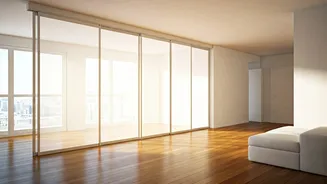
plan was the go-to solution for creating a sense of space and light. It worked by simply knocking down walls between the kitchen, living, and dining areas. But this new approach is more sophisticated. It acknowledges that we need both openness and privacy, and that our needs change throughout the day. These layouts use elements like translucent sliding panels, interior glass walls, and strategically placed half-walls to create zones that can be opened up or closed off. The goal is to allow light from exterior windows to 'borrow' its way through the home, illuminating interior spaces like hallways, home offices, and dens that would otherwise depend entirely on artificial lighting. It’s about creating a dynamic environment that can be a bright, social space in the afternoon and a cozy, private retreat in the evening.
Designing for Light and Well-Being
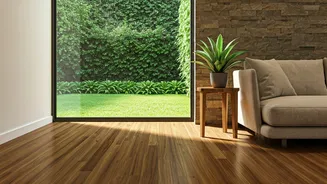
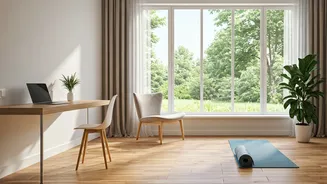
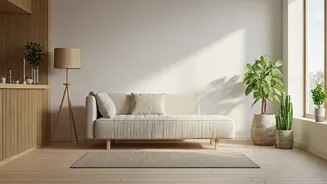
This trend is about more than just aesthetics; it's rooted in the science of wellness. Exposure to natural light is crucial for regulating our circadian rhythms, the 24-hour internal clock that controls our sleep-wake cycles. A home that allows for ample daylight exposure can improve mood, boost focus, and even increase productivity—a key consideration in an era where the home office has become a permanent fixture for many. This design philosophy is part of a larger movement called biophilic design, which seeks to connect people with nature within the built environment. By maximizing daylight, these layouts mimic the experience of being outdoors, reducing stress and fostering a sense of calm. Instead of dark, forgotten corridors, every part of the apartment feels more alive and connected to the world outside. The psychological effect is profound: spaces feel larger, cleaner, and more energizing, turning an ordinary apartment into a sanctuary for well-being.
How It Works in Practice
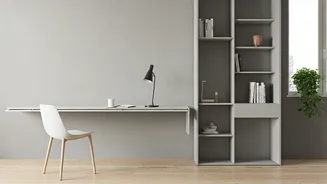
So, what does a multi-mood layout actually look like? Imagine an apartment where the primary bedroom doesn't open onto a dark hallway but instead features a wall of fluted, frosted glass that it shares with the living room. During the day, the bedroom is bathed in soft, diffused light from the living room's large windows. At night, curtains provide complete privacy. Or consider a den or home office separated from a hallway not by drywall, but by a series of tall, pivoting wooden slats. They can be angled to let light and air flow through or closed for concentration. Architects using this approach meticulously plan the apartment's layout around the sun's path. Rooms that require less light, like bathrooms or storage areas, are clustered in the building's core, while living and flexible spaces are pushed toward the windows. Internal atriums, light wells, and even reflective surfaces are used to bounce and channel photons into every possible nook, ensuring that no square footage is left in the dark.
Privacy, Cost, and the Future of Home
The most common concern with designs that feature so much internal glass is privacy. However, modern solutions easily address this. Smart glass can turn from clear to opaque with the flick of a switch. High-end textiles, from heavy velvet curtains to automated blinds, can provide sound dampening and visual separation when needed. Currently, these innovative layouts are most often found in new, high-end residential developments, as they require more complex architectural planning and materials than a standard build. But as the demand for healthier, more flexible living spaces grows, these principles are expected to trickle down into more mainstream housing. The rise of remote work has fundamentally changed our relationship with our homes. We no longer just sleep and eat there; we work, exercise, and socialize in them, too. An apartment that can adapt its 'mood' to suit these different functions is no longer a luxury—it's the next logical step in residential design.