







The Sun-Soaked Ideal Is Overheating
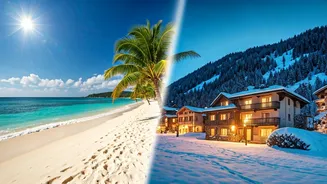
For decades, the peak of summer travel meant flocking to the warmest, sunniest places imaginable: the Greek isles, the Italian Riviera, the beaches of Southern California. But a string of punishing, record-breaking summers has tarnished that dream. Searing
heatwaves across Europe and the American South have turned idyllic vacations into endurance tests, marked by wildfire smoke, canceled excursions, and health warnings. A 110°F day in Rome isn't romantic; it's oppressive. Trying to hike in Arizona when it's 115°F isn't adventurous; it's dangerous. Travel advisors report a noticeable shift in client requests. Instead of asking “How hot will it be?” travelers are now asking “How hot *won’t* it be?” This pivot isn't just about avoiding discomfort. It's a fundamental re-evaluation of what makes a destination desirable when the climate itself has become a risk factor.
Comfort Is The New Five-Star Amenity
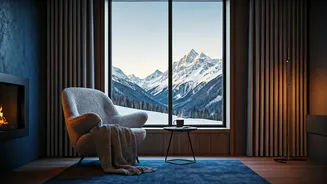
What is luxury if not the absence of friction and the guarantee of comfort? For a growing number of travelers, that definition now extends to the weather. True luxury isn’t just about high-thread-count sheets or a personal butler; it’s the ability to enjoy your surroundings without feeling physically stressed. It’s walking through a city in the afternoon without breaking into a sweat, dining al fresco without feeling heat-sick, and sleeping with the windows open to a cool night breeze. Predictability has become a prized commodity. While a trip to Mykonos in August is now a gamble—it could be pleasant or it could be a scorching ordeal—a trip to Norway’s fjords or the coast of Maine offers a near-guarantee of mild, enjoyable weather. In an uncertain world, travelers are willing to pay a premium for that certainty. The ability to escape the heat is the new exclusivity.
The Rise of the 'Cool-Cation'
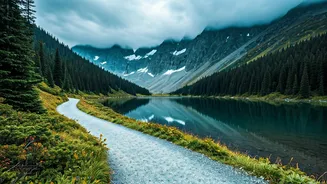
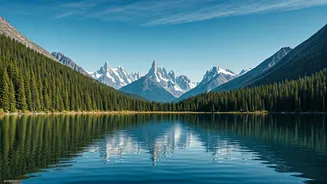
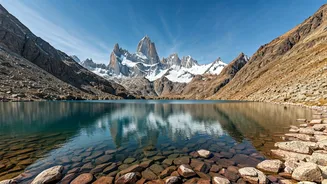
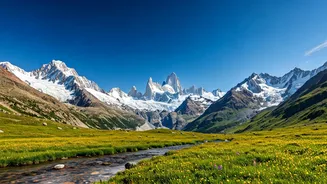
So where are these travelers going? The trend, dubbed “cool-cations” by the travel industry, points north. Destinations once considered shoulder-season or off-beat alternatives are becoming prime-time summer spots. Scandinavia is booming, with cities like Copenhagen and Stockholm, and the dramatic natural landscapes of Iceland and Norway, drawing crowds seeking daytime highs in the 60s and 70s. The same is true for the British Isles, where the moody, green coastlines of Ireland and Scotland offer a refreshing alternative to the crowded and sweltering Mediterranean. Within the U.S., the Pacific Northwest—Oregon, Washington—and the northern reaches of New England are seeing a similar surge in interest. It’s also driving a seasonal shift, with more people considering destinations like Patagonia or New Zealand during their winter (our summer), swapping oppressive northern hemisphere heat for crisp, cool southern hemisphere air.
More Than Just a Milder Thermometer
This shift isn't just a pragmatic response to weather patterns; it's unlocking a different kind of travel experience. These cooler destinations often offer a luxury that is harder to find in traditional hotspots: space. Instead of packed beaches and overrun tourist sites, travelers find vast, pristine nature, from alpine meadows in Switzerland to the rugged, empty coastlines of Canada. The focus shifts from passive sunbathing to active, invigorating experiences like hiking, kayaking, and exploring charming, less-crowded towns. The luxury here is experiential. It’s about breathing clean, cool air, connecting with nature, and feeling refreshed and restored, not drained and exhausted by the heat. It represents a move away from the performative, see-and-be-seen vacation toward something more personal, private, and genuinely rejuvenating.