





An Antidote to the Concrete Jungle
Imagine living and working in Mumbai, Delhi, or Bangalore—cities defined by relentless energy, dense populations, and towering apartment blocks. For many young professionals, access to nature is a luxury. The daily reality is more likely a view of another
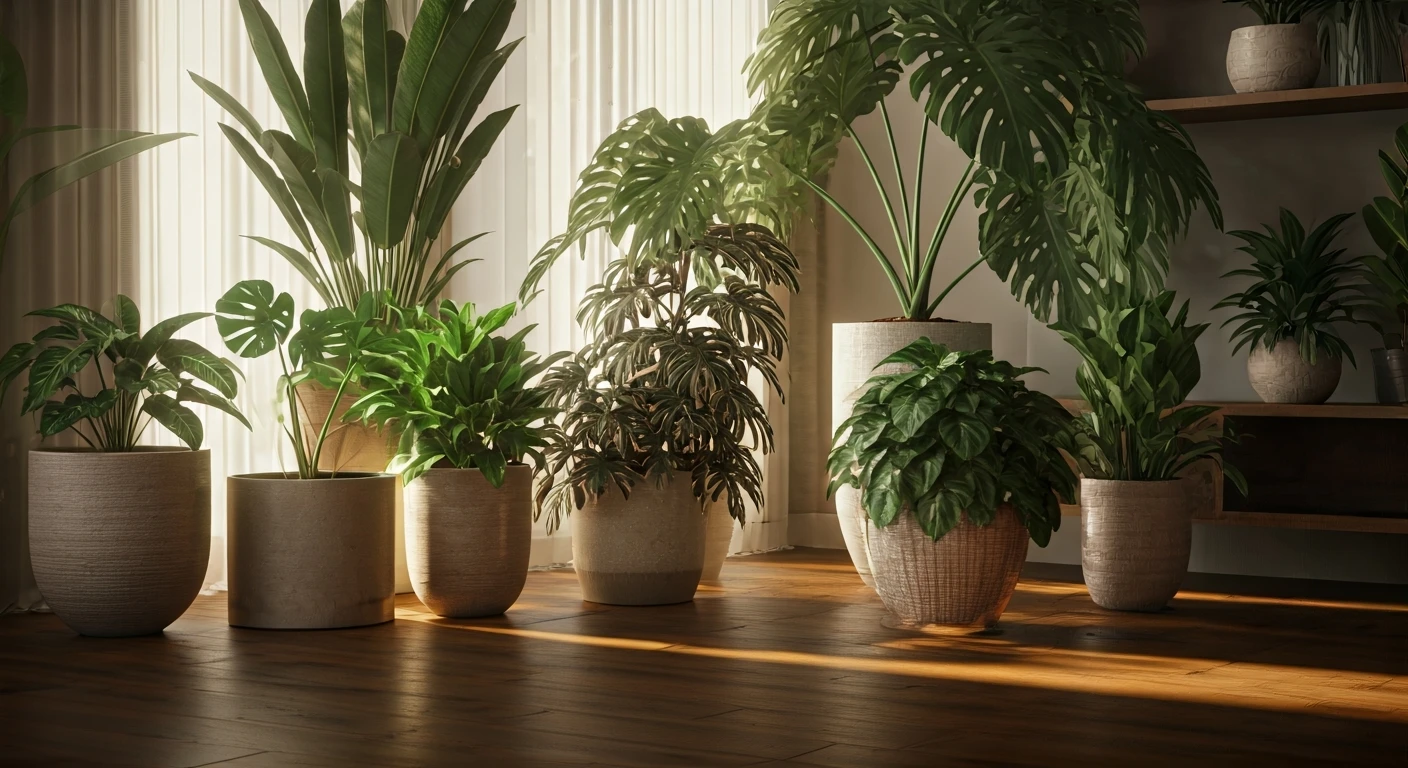
building than a sprawling park. This is where the balcony, windowsill, or tiny terrace becomes a sanctuary. The recent surge in urban gardening isn't just a hobby; it's a deliberate act of reclaiming a small patch of green in an overwhelmingly concrete world. It’s about creating a personal oasis, a visual and psychological break from the urban grind. Simple manuals, often just a few pages long or available as a downloadable PDF, provide the roadmap to transform a few square feet of space into a living, breathing escape.
Wellness That Doesn't Break the Bank
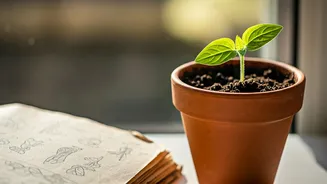
Just like their counterparts in the U.S., Indian millennials and Gen Z are grappling with the pressures of hyper-connectivity and demanding careers. The concept of wellness is paramount, but it often comes with a hefty price tag, from boutique fitness classes to expensive retreats. Gardening offers a tangible, low-cost alternative. The act of nurturing a plant—watering it, checking its leaves, watching it grow—is a powerful form of mindfulness. It pulls you away from screens and into the physical world. Crucially, the "low cost starter manual" is the entry point. These guides focus on what’s accessible: using recycled containers, starting with easy-to-grow local herbs like tulsi (holy basil) or mint, and understanding the basics of sunlight and soil without needing expensive equipment. It democratizes the wellness movement, making it available to anyone with a pot and a seed.
The Appeal of Analog Skills
In a world dominated by digital skills and gig-economy jobs, there's a growing desire for tangible, real-world competence. The ability to grow something you can eat or simply keep alive provides a unique sense of accomplishment that coding or crafting a perfect email can't replicate. Starter manuals are key because they demystify the process. They break down what seems like a complex science into simple, actionable steps: 'How to Sprout Lentils on Your Counter,' 'Five Herbs That Thrive on a Sunny Windowsill,' or 'Making Compost from Kitchen Scraps.' This isn't about becoming a master farmer; it's about gaining a small measure of self-sufficiency and connecting with a fundamental human activity. It's a quiet rebellion against a life lived entirely online, proving that you can create something real with your own hands.
A Sustainable and Instagrammable Lifestyle
The trend is fueled by a dual engine: a genuine interest in sustainability and the power of social media. For many young Indians, growing even a small amount of their own food—a few chilis, a pot of cilantro—is a nod toward a more sustainable lifestyle. It reduces food miles and packaging waste, a concern that resonates globally. At the same time, a thriving balcony garden is incredibly photogenic. The aesthetic of lush green leaves against an urban backdrop is a popular visual on Instagram and Pinterest. Influencers and everyday users share their #UrbanJungle or #BalconyGarden progress, creating a feedback loop of inspiration and validation. The low-cost manuals provide the foundational knowledge, and social media provides the community and the visual motivation to keep the trend growing.