





The Age of the Optimized Self
First, let’s talk about us. Over the past decade, wellness evolved from a vague concept of “self-care” into a data-driven quest for peak performance. We don’t just exercise; we track our heart rate variability. We don’t just eat healthy; we tailor our diets
to our gut microbiome. Boutique fitness studios, personalized supplements, meditation apps, and biohacking gadgets have become mainstream tools for managing not just health, but modern anxiety. This movement is rooted in a desire for control and improvement in a chaotic world. We use data to make ourselves stronger, calmer, and more resilient. Marketers capitalized on this, selling us not just products, but a lifestyle of constant, incremental self-improvement. It was only a matter of time before this mindset was projected onto the other cherished members of our households.
Our Fur-Babies Aren’t Just Pets
The foundation for this trend is a profound emotional shift in how Americans view their animals. For a growing number of people, particularly Millennials and Gen Z, pets are not just companions; they are family. They are “fur-babies” or “four-legged children.” This humanization isn’t just semantic—it has massive economic consequences. When you see a dog or cat as a child, you apply the same logic to their care. You wouldn’t feed your kid low-grade junk food, so why would you give it to your pet? You worry about your child’s anxiety, so you naturally worry about your pet’s, too. This emotional bond makes pet owners a highly motivated consumer demographic, willing to spend premium prices on anything that promises a longer, happier, and healthier life for their beloved animal.
A Mirror Image in the Marketplace
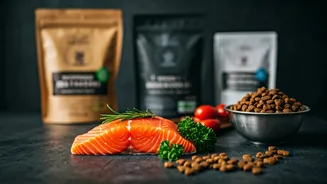
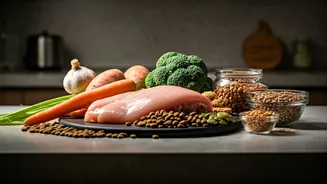
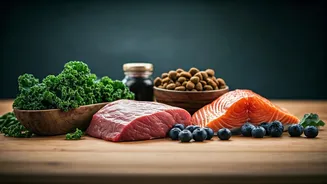
Walk down the pet aisle, and you’ll see the human wellness industry staring back at you. The parallels are almost comical in their precision. Are you taking a probiotic for gut health? Now you can buy your dog high-end kibble infused with prebiotics and probiotics. Do you use CBD oil to manage stress? Pet-specific CBD tinctures and chews are now a multi-million dollar market, promising to calm anxious pups. The grain-free and gluten-free fads in human nutrition directly spawned the massive grain-free pet food trend. Even the business models are identical. Subscription-based, fresh-cooked meal services like The Farmer’s Dog and Nom Nom are the pet-world equivalents of Blue Apron or HelloFresh, delivering pre-portioned, human-grade meals to your door. Wearable fitness trackers like FitBark and Whistle function just like a Fitbit, monitoring activity levels, sleep quality, and even licking patterns to provide data-driven “insights” into your pet’s well-being.
A Dose of Veterinary Reality
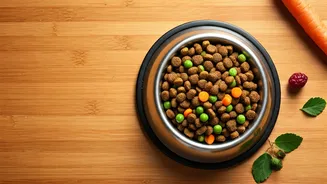
While the intention behind these purchases is rooted in love, the science doesn’t always keep up. Veterinarians often urge caution. The pet supplement market, for example, is largely unregulated, meaning product quality and efficacy can vary wildly. Claims made on packaging may not be supported by rigorous scientific study. Some trends, like the grain-free diet, have even come under scrutiny. The FDA has investigated a potential link between certain grain-free, legume-rich diets and a serious heart condition in dogs called dilated cardiomyopathy (DCM). While the connection isn't fully proven, it highlights the risk of applying human dietary fads to animals with different nutritional needs. Most vets agree that while a focus on quality nutrition and preventative care is a positive development, it’s crucial to separate marketing hype from genuine health benefits. The best-looking package or the trendiest ingredient isn’t always what’s best for your individual pet.