

So, What Are Millets Anyway?
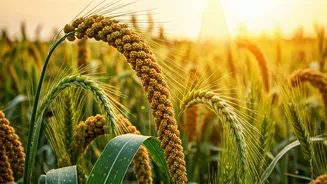
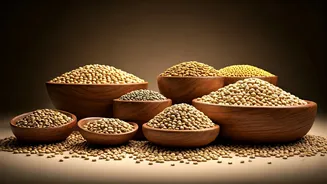
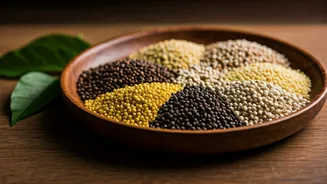
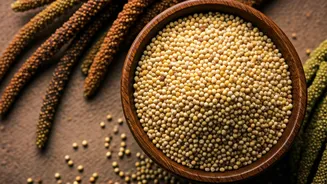
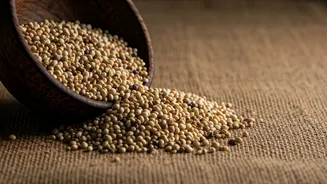
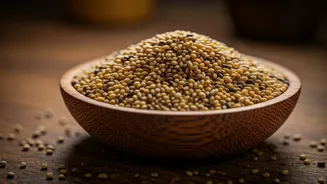
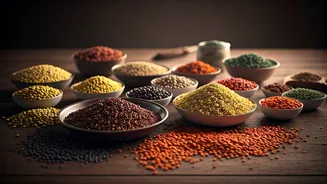
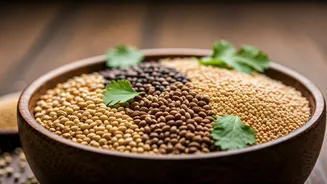
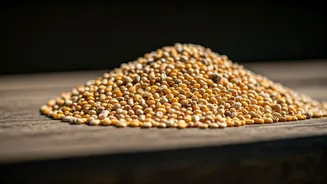
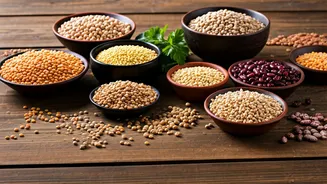
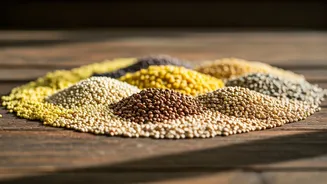
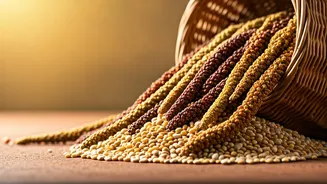
Before they were a trend, they were a staple. Millets are not a single type of grain but a diverse group of small-seeded grasses that have been cultivated for thousands of years across Africa and Asia. Think of them as a category, like berries or citrus
fruits. The most common varieties include pearl millet (bajra), foxtail millet (kangni), sorghum (jowar), and finger millet (ragi). Unlike wheat and rice, which dominate modern agriculture, millets are hardy, drought-resistant crops that can grow in poor soil with minimal water. For centuries, they were the bedrock of nutrition for vast populations before the Green Revolution prioritized high-yield, water-intensive crops and pushed these ancient grains to the sidelines.
The Nutritional Powerhouse
The renewed excitement around millets isn't just about nostalgia; it’s firmly rooted in modern nutritional science. For American consumers increasingly focused on wellness, millets check all the right boxes. They are naturally gluten-free, making them an excellent alternative for those with celiac disease or gluten sensitivity. They are also packed with fiber, which aids digestion and promotes a feeling of fullness, potentially helping with weight management. Rich in protein, antioxidants, and essential minerals like magnesium and iron, millets are a nutritional upgrade from more refined grains. Furthermore, most millet varieties have a low glycemic index, meaning they release sugar into the bloodstream more slowly, helping to manage blood sugar levels—a crucial benefit in the face of rising diabetes rates worldwide.
From 'Poor Man's Food' to National Pride
For decades in India, millets carried a stigma. As rice and wheat became symbols of prosperity, millets were often dismissed as “coarse grains” or “poor man’s food,” associated with rural and economically disadvantaged communities. Now, that perception is being turned on its head. Spearheaded by the Indian government, which successfully championed the UN’s declaration of 2023 as the “International Year of Millets,” the nation is on a mission to rebrand these grains. This campaign is a powerful blend of health policy, food security, and cultural diplomacy. By promoting millets, India is not only tackling lifestyle diseases and climate change but also reclaiming a vital part of its culinary heritage. Chefs in high-end restaurants are now creating innovative millet-based dishes, and food startups are launching everything from millet pasta to millet breakfast cereals.
A Taste of Heritage for the Modern Kitchen
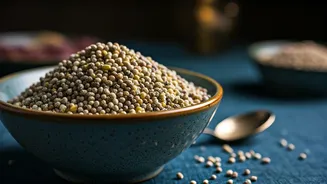
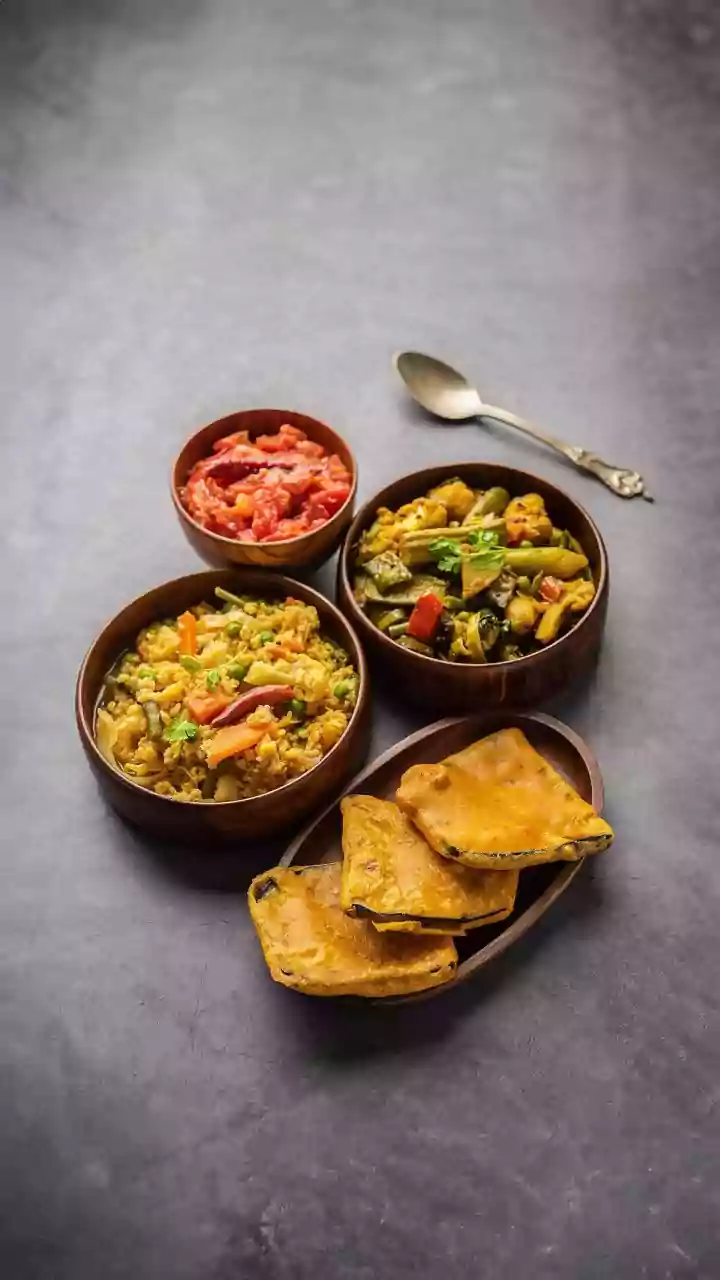
For Americans curious about this ancient grain, incorporating millets into your diet is surprisingly easy. They are incredibly versatile and can be used much like rice, quinoa, or oats. You can cook whole millet grains to create a fluffy, nutty base for a grain bowl, toss them into salads, or simmer them into a creamy breakfast porridge. Millet flour is a fantastic gluten-free option for baking everything from pancakes and muffins to the traditional Indian flatbreads, *bhakri*. You can find millets in the grain aisle of most well-stocked supermarkets, health food stores, and online. Start with foxtail or pearl millet for a milder flavor, and don't be afraid to experiment. They absorb flavors beautifully, making them a perfect canvas for your favorite herbs and spices.