
The Tyranny of the Beige Sofa
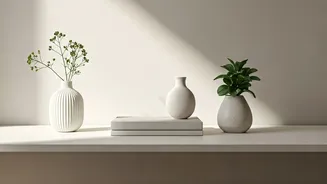
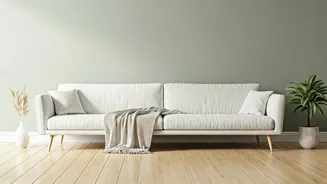
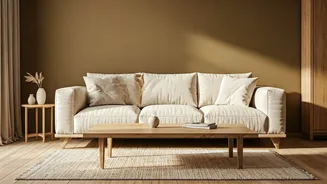
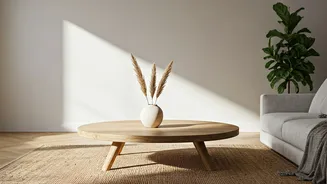
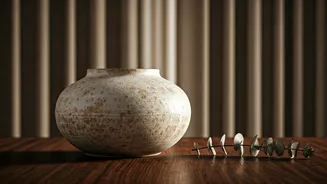
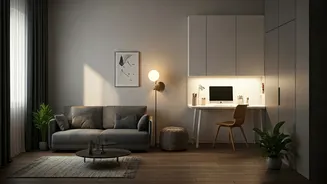
Remember the dominant aesthetic of the 2010s? It was the visual equivalent of a tech CEO’s turtleneck: clean, spare, and relentlessly optimized. Homes were styled to look like high-end hotel lobbies, painted in 50 shades of greige, with every surface
decluttered to the point of anonymity. This was the era of the 'sad beige' children’s toy, the minimalist flat-lay on Instagram, and the pervasive idea that a good life was an empty one—or at least one that appeared that way. This 'showroom' energy promised a sense of calm and control. If your space was perfect, maybe your life would be, too. But the performance was exhausting. It demanded that we hide our messes, our hobbies, and our sentimental clutter. It was a style built for being looked at, not for being lived in.
Why We’re Craving Comfort Over Curation
So, what changed? In a word: everything. The pandemic forced us inside, turning our homes from backdrops for our public lives into the entire set. The sterile, untouchable showroom suddenly felt cold and alienating. We weren't just sleeping in our homes; we were working, exercising, worrying, and trying to find joy within the same four walls. That experience sparked a deep, collective yearning for comfort, nostalgia, and genuine self-expression. We started craving spaces that felt like a hug. Furthermore, in an era of economic uncertainty and information overload, the pressure to maintain a facade of slick perfection feels increasingly out of touch. Authenticity has become the new aspiration, and warmth is its primary currency.
The Rise of the 'Lived-In' Look
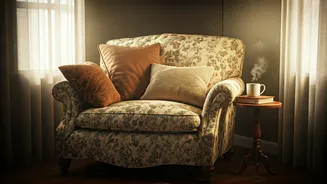
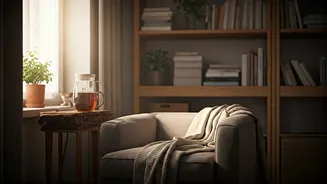
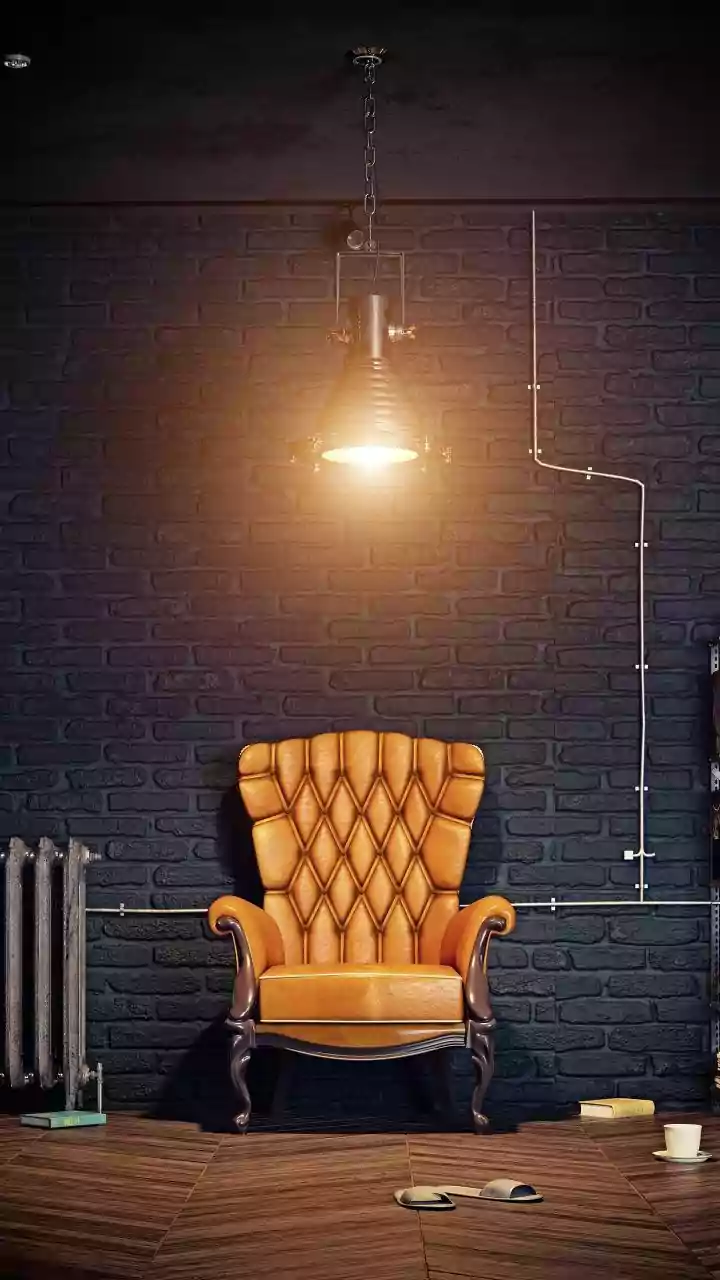
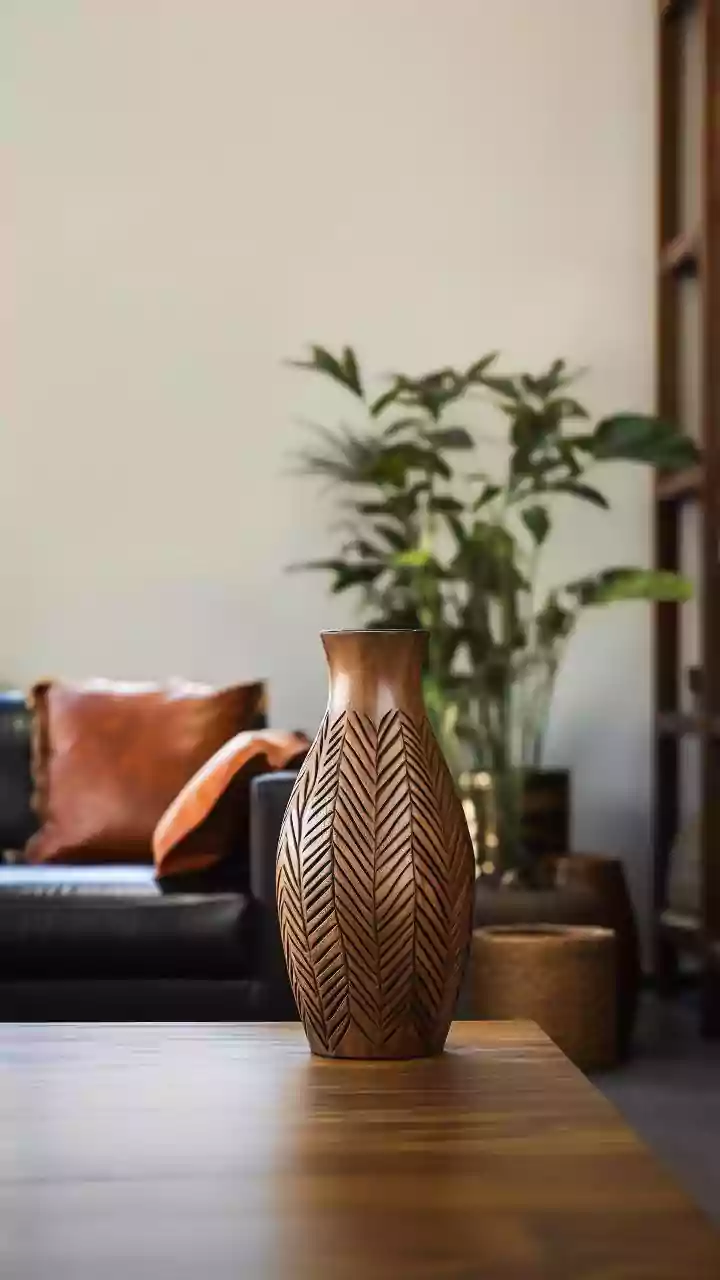
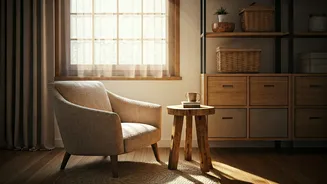
The new ideal isn’t about following a prescriptive trend; it’s about reflecting a life. This is the energy of 'cluttercore' and 'dopamine decor,' where joy is found in color, pattern, and personality. It’s the gallery wall filled with a chaotic mix of art prints, family photos, and children’s drawings. It’s the bookshelf overflowing with actual books, not just a few artfully placed spines. This aesthetic celebrates the beauty of imperfection: the slightly worn armchair inherited from a grandparent, the mismatched collection of coffee mugs, the stack of magazines on the side table. It’s about creating a personal sanctuary that tells your story. Each object has a purpose or a memory attached, transforming the home from a static display into a living, breathing archive of a well-lived life.
Beyond the Home: A Cultural Shift
This embrace of warmth and personality extends far beyond interior design. We see it on social media, where candid, unedited TikTok videos have usurped the hyper-polished, filtered world of the classic Instagram feed. We see it in fashion, with a move toward vintage finds, comfortable silhouettes, and mending clothes rather than chasing fleeting micro-trends. Brands are also catching on. The most resonant marketing today isn’t about presenting a flawless, unattainable ideal. It’s about storytelling, connecting with communities, and showing a more human, relatable face. The slick, corporate 'brand voice' is being replaced by something that feels more like a conversation with a friend. In every corner of our culture, the message is becoming clear: polished perfection is boring, but personal warmth is magnetic.