






1. Pack Your 'A-Team' Rain Gear
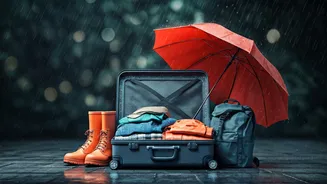
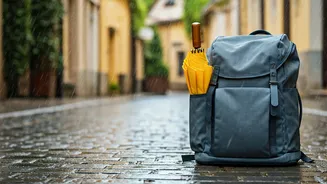
Forget that flimsy, disposable poncho. A strategic traveler’s first line of defense is quality gear. This doesn't mean hauling a bulky rubber slicker across the country. Think smart, lightweight, and multi-functional. A packable, truly waterproof rain
jacket is non-negotiable. Look for one with sealed seams and a hood that actually stays up. The second MVP? Waterproof footwear. Nothing ends a day of exploring faster than soaked, cold feet. Whether it's a stylish pair of waterproof sneakers, Chelsea boots, or proper trail shoes, make sure they’re comfortable enough to walk in for hours. Finally, consider a quick-dry travel towel and an extra pair of merino wool socks—they stay warm even when damp and dry incredibly fast.
2. Pre-Scout Your Indoor Sanctuaries
The difference between a frantic, miserable search for shelter and a delightful pivot is pre-planning. Before you even leave home, spend 30 minutes creating a 'Rainy Day' map for your destination. Go beyond the single big museum everyone else will be flocking to. Identify a few cozy, independent bookstores, a historic library, an indie movie theater showing local films, or a quirky bowling alley. Look for covered markets like Seattle's Pike Place or Philadelphia's Reading Terminal Market, where you can spend hours browsing and eating. Having a list of three or four pre-vetted, appealing indoor options turns a sudden downpour from a crisis into an opportunity.
3. The 'Plan B' Cafe Is Your Best Friend
Amateurs get caught in the rain and duck into the nearest, often terrible, tourist-trap cafe. Pros have a curated list of destinations. Every great travel day, rain or shine, deserves a great coffee or cocktail break. Use your research time to identify a few top-tier spots known for their ambiance. Is there a legendary local pub with a fireplace? A third-wave coffee shop that serves incredible pastries? A quiet wine bar perfect for reading? When the skies open up, you won’t be scrambling; you’ll be purposefully heading to a place you already wanted to try. This simple trick transforms an unwelcome interruption into a planned, indulgent part of your itinerary.
4. Hunt for the 'Other' Photo
So your plans for a sun-drenched photo in front of a landmark are washed out. It’s time to kill the Instagram cliché and find a more interesting shot. Rain creates visual magic that sunshine can't replicate. Look for the reflection of historic architecture in a puddle. Capture the moody, atmospheric light as it hits a cobblestone street. Focus on the details: the way water beads on a statue, the vibrant colors of umbrellas against a gray sky, or the steam rising from a street vendor’s cart. These photos are often more evocative and unique than the standard blue-sky snapshot everyone else has. The rain forces you to become a more creative observer.
5. Adapt, Don't Cancel, Your Itinerary
A rainy forecast doesn't mean you have to scrap your whole day. It just means you have to adjust your perspective. Was your plan a long outdoor walking tour of a historic neighborhood? Don't cancel it—modify it. The crowds will be thinner, giving you a better view. You can now execute your 'Plan B Cafe' strategy, breaking up the walk by ducking into those pre-scouted havens. A hike through a forest might be muddy, but it will also be intensely green, fragrant, and mystical without the harsh sun. As long as you have the right gear (see step one), you can often proceed with a modified version of your original plan, enjoying a less-crowded and more atmospheric version of the experience.
6. Master the Mindset Shift
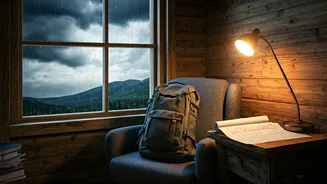
Ultimately, the most powerful tool in your rainy day arsenal is your attitude. If you view rain as a personal attack on your vacation, you’ll be miserable. If you view it as just another element of the travel experience—like a delayed flight or a confusing menu—you can adapt and overcome. Embrace the Danish concept of 'hygge' (coziness and contentment) by finding a warm corner and a good book. See it as an excuse to have a longer, more leisurely lunch. Acknowledge the brief disappointment, then pivot to what's possible. The weather is the one thing you absolutely cannot control on a trip, so learning to roll with it is the final, and most important, part of your strategy.