




From Skinny to Strong
For decades, the dominant fitness goal, particularly for women, was tied to a number on the scale or a specific dress size. The methods were often subtractive: fewer calories, less fat, less body. But a seismic shift is underway. The new status symbol
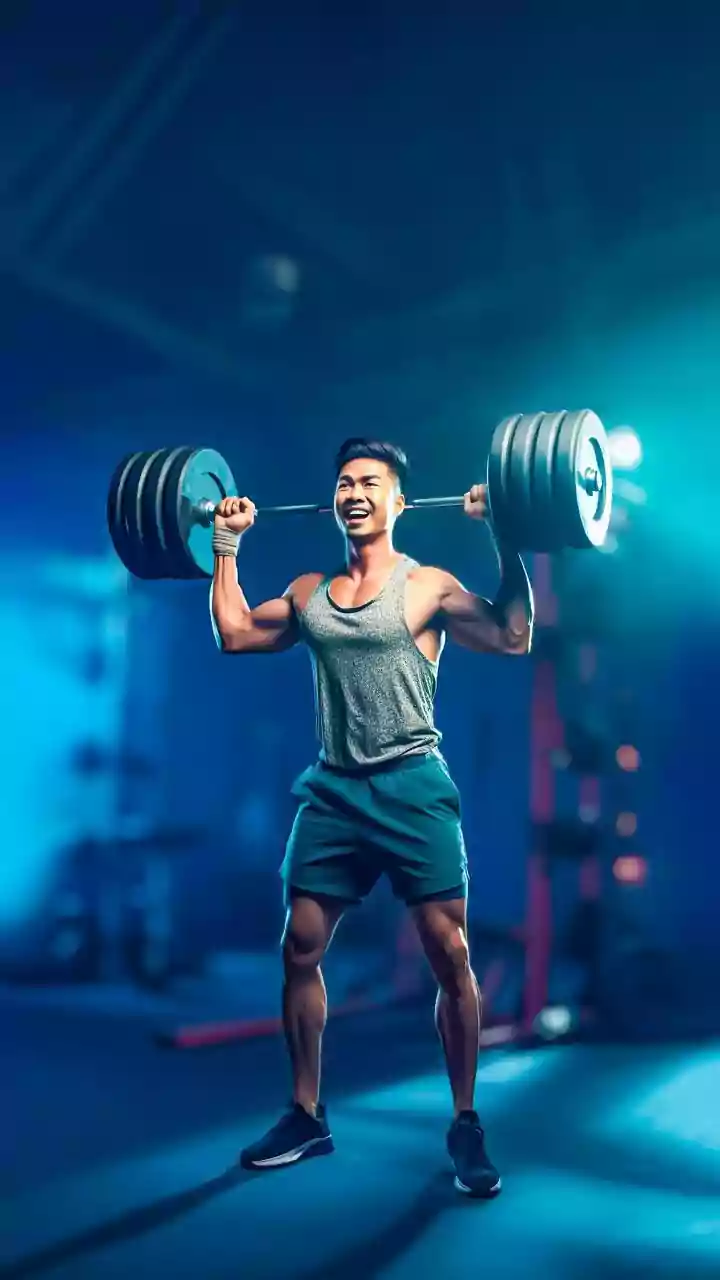
isn't thinness; it's strength. Walk into any modern gym, and you'll see the squat racks and weight platforms are no longer male-dominated territories. Women, in particular, are embracing lifting not to get bulky, but to get powerful. The conversation has moved from 'How much weight did you lose?' to 'How much weight did you lift?' This pivot to performance redefines the body as an instrument of power and capability rather than a purely ornamental object. Success is measured in personal records, improved mobility, and the feeling of being physically capable of meeting life's demands.
The New Language of 'Fueling'
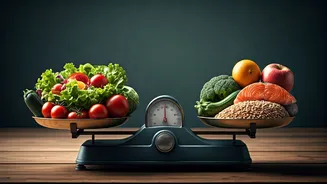
The very word 'diet' is falling out of fashion, carrying with it the baggage of restriction, failure, and cyclical misery. In its place, a new vocabulary is emerging, centered on the concept of 'fueling.' This isn't just a semantic game; it represents a profound psychological change. Instead of focusing on what to cut out, the emphasis is on what to add in: more protein to build muscle, more complex carbs for energy, more nutrient-dense foods to support recovery. People are learning about macronutrients not to obsessively track them in a restrictive app, but to understand how to power their workouts and their day. This approach transforms food from an enemy to be conquered into an ally in the pursuit of strength and vitality. It’s about building a better engine, not just running the tank on empty.
Health Is More Than a Number
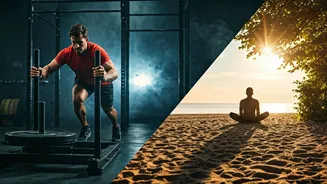
The cultural fatigue with starvation diets is also rooted in a broader, more holistic understanding of health. We're finally acknowledging that well-being can't be measured by a single metric. A low body weight means very little if you're sleeping poorly, constantly stressed, and have disrupted hormones from chronic under-eating. The new fitness goals are expanding to include data points that reflect true quality of life. People are tracking their sleep quality with the same diligence they once tracked calories. They’re prioritizing stress-reducing activities like yoga and meditation as essential parts of their 'fitness' routine. There's a growing awareness of concepts like metabolic and hormonal health, recognizing that a truly fit body is one where all systems are functioning optimally, not just one that looks a certain way in a mirror.
The Social Media Effect
While social media has rightfully been blamed for promoting unrealistic body standards, it has also played a crucial role in dismantling old-school diet culture. A new wave of credentialed experts—registered dietitians, certified trainers, and doctors—are using platforms like Instagram and TikTok to debunk myths and provide accessible, science-backed information. They show what 'eating for strength' actually looks like, demystify muscle growth, and speak openly about the damage caused by years of yo-yo dieting. This has empowered a generation to question the advice they see in traditional media and from unqualified influencers. By seeing strong bodies of all shapes and sizes and hearing experts champion food as fuel, millions are getting permission to finally break up with the scale and pursue a more sustainable, empowering, and genuinely healthier relationship with their bodies.