



1. Prioritize Your Scalp Like Your Face
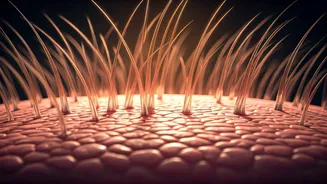
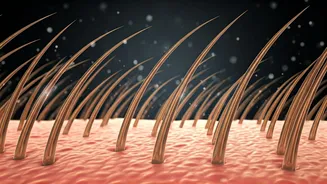
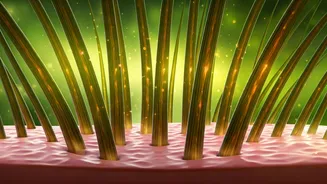
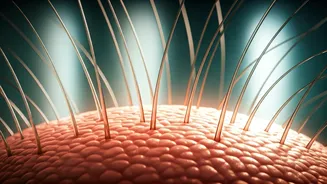
The biggest shift in hair care, according to dermatologists, is treating the scalp with the same reverence as facial skin. Think of it this way: your scalp is the garden, and your hair is the plant. A healthy garden yields healthy plants. By 2026, the goal
is to move beyond simply cleaning hair and focus on nourishing the scalp's ecosystem. This means understanding the scalp microbiome—the community of natural bacteria and fungi that protects your skin. Harsh detergents, product buildup, and infrequent washing can disrupt this delicate balance, leading to inflammation, dandruff, and even hair thinning. The new approach involves using gentle, sulfate-free shampoos, incorporating scalp serums with ingredients like peptides or hyaluronic acid, and regular, gentle exfoliation to remove dead skin cells and promote healthy follicle function.
2. Master Your Nutritional Foundation
Dermatologists consistently emphasize that you can't build a strong house on a weak foundation. Topical products can only do so much; true hair health is built from within. Hair follicles are among the most metabolically active cells in your body, requiring a steady supply of key nutrients. Deficiencies in iron, zinc, vitamin D, and B vitamins (especially biotin) are common culprits behind lackluster hair and increased shedding. The 2026 goal isn't about popping a random 'hair gummy,' but about a deliberate, diet-first approach. Focus on a balanced intake of lean proteins (hair is made of keratin, a protein), iron-rich foods like spinach and lentils, healthy fats from avocados and nuts, and a wide array of fruits and vegetables for antioxidants. A blood test can help identify specific deficiencies that may need targeted supplementation under a doctor's guidance.
3. Get Smart About Stress Management
The mind-skin connection is no longer a fringe concept; it's a dermatological fact. Chronic stress is a major enemy of healthy hair. When you're stressed, your body produces more of the hormone cortisol. Elevated cortisol levels can prematurely push hair follicles from the active growth phase (anagen) into the resting phase (telogen), leading to a type of shedding called telogen effluvium. This is why you might notice more hair in your brush a few months after a particularly stressful period. The forward-thinking goal is to integrate stress management into your hair care routine. This isn't just about wellness; it's about biology. Practices like meditation, regular exercise, adequate sleep, and mindfulness can help regulate cortisol levels, creating a better internal environment for your follicles to thrive.
4. Adopt a 'Less Is More' Product Philosophy
The era of the 10-step hair routine is fading. The future is about minimalism and ingredient efficacy. Dermatologists often see patients with contact dermatitis and scalp irritation caused by layering too many products with conflicting ingredients, fragrances, and preservatives. The 2026 hair goal is to curate a simple, effective routine. This involves identifying your hair and scalp type and choosing a few high-quality products that serve a specific purpose. Look for proven ingredients and avoid trends that lack scientific backing. For example, a gentle cleanser, a functional conditioner, and a targeted treatment (like a scalp serum or a weekly mask) are often all you need. Reading ingredient labels and understanding what you're putting on your scalp will become as common as reading them for your food.
5. Perfect the Art of Gentle Handling
All the nutrients and scalp serums in the world can't protect your hair from physical damage. Mechanical stress is a leading cause of breakage, split ends, and frizz that dermatologists see daily. The goal for the future is to unlearn harsh habits. This means no more aggressive towel-drying (gently squeeze with a microfiber towel instead), using a wide-tooth comb on wet hair (when it's most fragile), and minimizing tight hairstyles like high ponytails or braids that cause traction alopecia—hair loss from constant pulling. Heat styling is another major factor. When you do use heat, always apply a protectant and use the lowest effective temperature. Embracing your hair's natural texture more often is not just a style choice; it's a health choice that reduces the cumulative damage that sabotages your growth goals.