





From 'Smart' to Genuinely 'Intuitive'
The first wave of the smart home was defined by voice commands and smartphone apps. You told your home what to do, moment by moment. It was a step up from a light switch, but still required active participation. Today's boom is centered on something different:
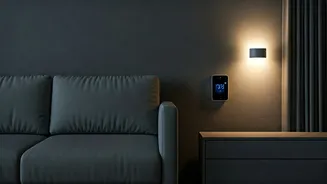
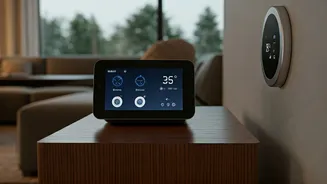
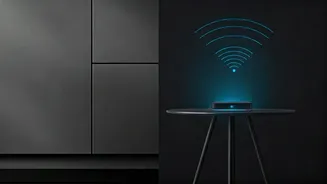
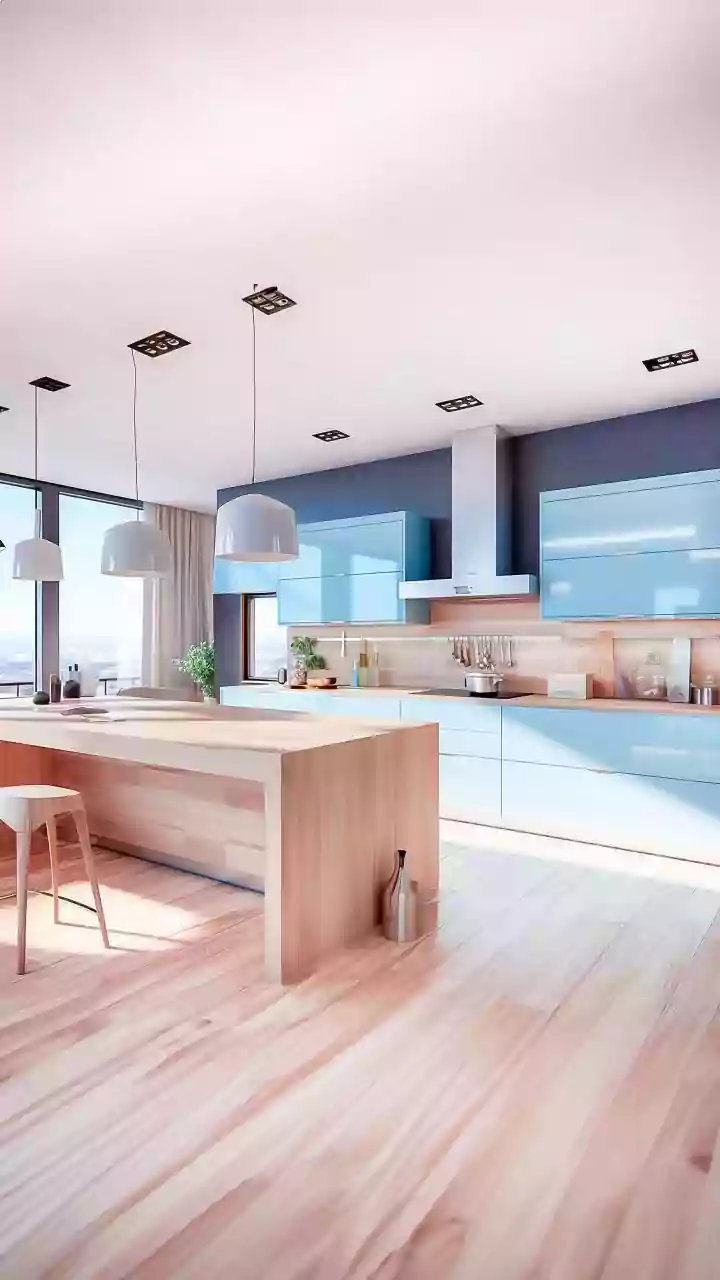
sensor-driven automation. This is the shift from a command-based relationship to an ambient one. Instead of asking for the lights to be dimmed, a light sensor detects the setting sun and does it for you. Rather than telling a fan to turn on, a humidity sensor in the bathroom detects a steamy shower and activates it automatically. This evolution from reactive gadgets to a proactive ecosystem is the core driver of the current market excitement. It’s the promise of the smart home finally being realized—a home that works for you in the background, without needing constant direction.
The Three Pillars of the Demand Surge
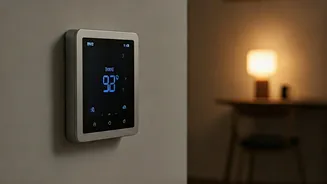
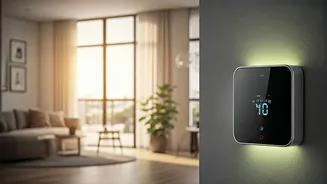
Why is this happening now? The 'unprecedented demand' isn't a fluke; it's the result of several converging trends. First, a heightened focus on energy efficiency. With utility bills rising, homeowners are seeking tangible ways to cut costs. Sensor-driven systems offer a clear solution: lights that only turn on when a room is occupied, and thermostats that learn your routine to optimize heating and cooling, represent real, measurable savings. Second is the pursuit of ultimate convenience. After years of hybrid and remote work, Americans are more invested in the comfort and functionality of their homes than ever before. Automation that shaves off small daily frictions—like blinds that close automatically at dusk or a coffee maker that starts when you step out of the shower—adds up to a significantly better quality of life. Finally, the technology has matured. Sensors are smaller, cheaper, more reliable, and better integrated than ever, lowering the barrier to entry for the average consumer.
The Unseen Network in Action
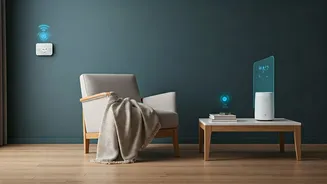
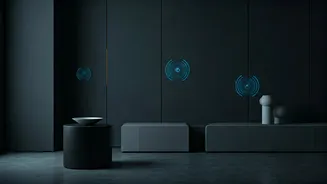
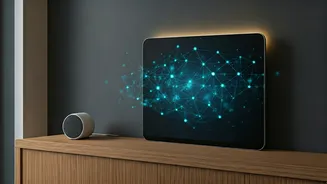
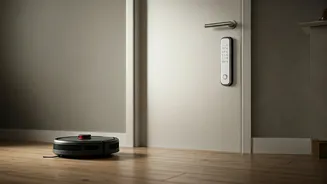
The magic of these systems lies in how simple, specialized sensors work together. It’s not about one 'master' device but a network of small, often invisible, data points. A typical automated home might use several types: motion sensors to control lighting and security; contact sensors on doors and windows to trigger alerts or adjust the HVAC; ambient light sensors to manage blinds and indoor lighting; and temperature/humidity sensors for climate control and air quality. When these are integrated, powerful routines become possible. For example, a contact sensor on the front door, combined with a motion sensor in the hallway and the time of day, can trigger a 'Welcome Home' scene: the entryway light turns on, the thermostat adjusts, and a 'permissioned' speaker might announce who just arrived. This choreographed dance of data is what separates a collection of smart devices from a truly automated home.
Beyond Convenience: Security and Care
While convenience and energy savings are the primary market drivers, the applications of sensor technology extend into more critical areas. For home security, the upgrade is profound. Instead of just a camera, a system can use a web of contact, motion, and even glass-break sensors to provide a more complete picture of a potential intrusion, reducing false alarms and providing more reliable protection. Perhaps the most impactful application is in independent living and elder care. Thoughtfully placed motion sensors can non-intrusively monitor activity, providing peace of mind to family members. A lack of movement in the morning could trigger a gentle alert. Similarly, water sensors placed near appliances can prevent catastrophic leaks, and smart smoke detectors can not only sound an alarm but also automatically turn on lights and unlock doors to clear an escape path. This shift frames home automation not as a luxury, but as a vital tool for safety and well-being.