
The Myth of Complexity
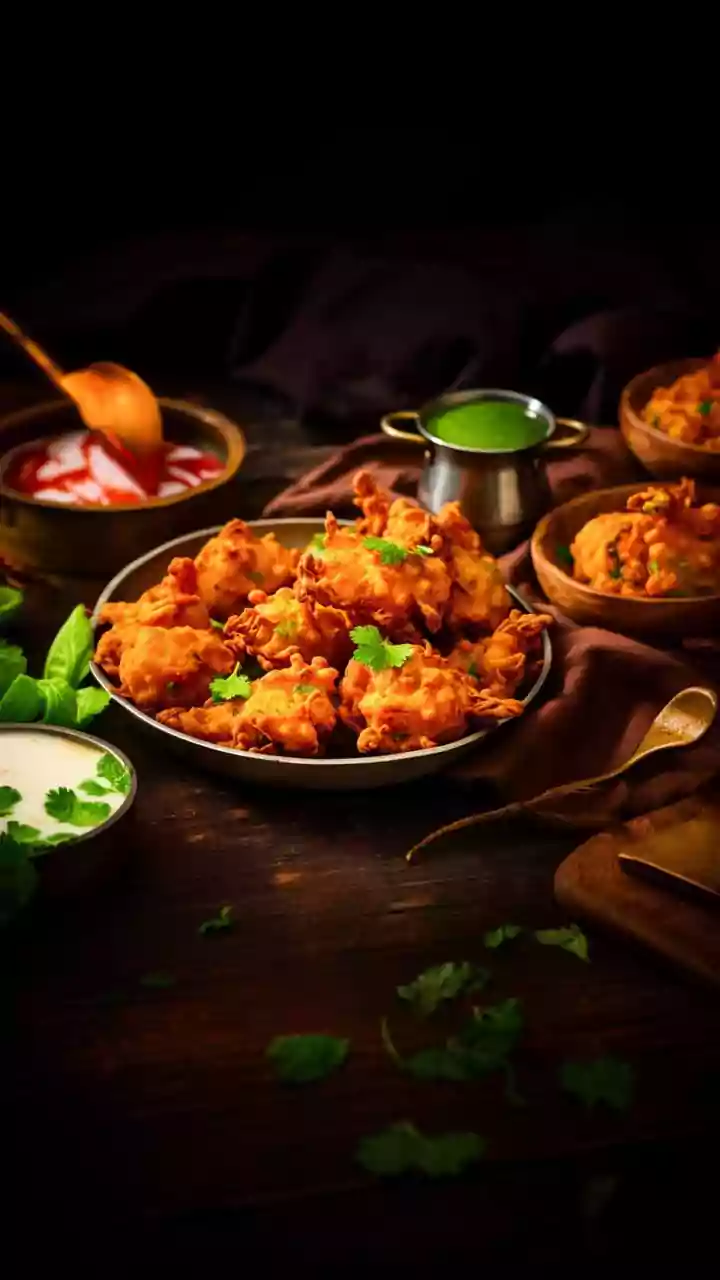
For many Americans, the experience of Indian food is framed by restaurant menus filled with rich, creamy curries and tandoori-charred meats. Delicious, yes. Easy to whip up on a Tuesday night? Not so much. This perception has long created a barrier, positioning
Indian cuisine as something to be ordered out, not made at home. But a powerful shift, accelerated by a new generation of food writers and the realities of modern life, is debunking this myth. The truth is that daily Indian home cooking is, and always has been, built on a foundation of practicality, resourcefulness, and the magic of a well-stocked pantry. It’s less about hunting down a dozen niche ingredients for one dish and more about mastering the alchemy of a few essential staples.
Tradition Meets Modern Practicality
So, what’s fueling this embrace of the pantry? It’s a perfect storm of factors. The pandemic forced everyone to re-evaluate their kitchens, minimizing grocery trips and maximizing what was on hand. Simultaneously, a wave of influential Indian-American cookbook authors and food bloggers began translating generations of family knowledge for a modern audience. They’ve shown that the techniques their grandmothers used—rooted in frugality and deep flavor—are perfectly suited for today’s busy, budget-conscious home cook. This isn’t a new invention but a powerful re-centering of an age-old culinary philosophy. It’s about celebrating cultural heritage not as a static museum piece, but as a living, adaptable toolkit for eating well every day.
The Heart of the Kitchen: The Masala Dabba
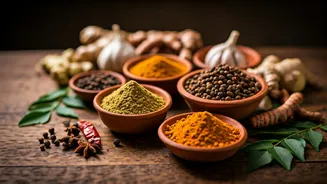
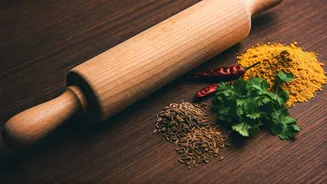
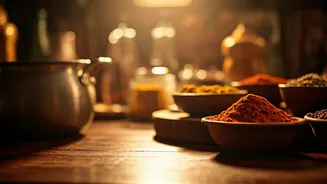
At the center of this universe is the 'masala dabba,' or spice box. This simple, circular tin with small bowls inside is the command center for flavor. While a supermarket spice aisle can be overwhelming, the masala dabba represents strategic curation. Most home cooks don’t use 50 different spices daily; they use a core group of seven to ten with masterful precision. Typically, this includes turmeric (for color and earthy notes), cumin seeds (for smoky warmth), coriander powder (for citrusy depth), red chili powder (for heat), and mustard seeds (for pungent pop). With just these basics, you can create countless flavor profiles. The beauty of the masala dabba is its efficiency—no more fumbling for scattered jars. It’s an organizational tool that encourages improvisation and builds muscle memory, turning the act of seasoning from a recipe instruction into an intuitive art.
The Foundational Pillars
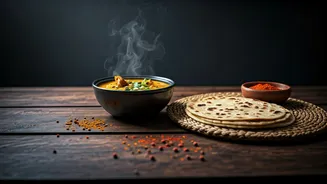
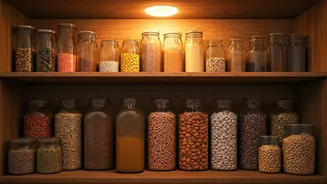
Beyond the spice box, the Indian pantry is built on a few other key pillars. Lentils and legumes, collectively known as 'dal,' are the backbone of protein-rich, satisfying meals. A bag of red lentils, chickpeas, or kidney beans can be transformed into soups, stews, and curries with minimal effort. Rice and whole wheat flour ('atta') provide the essential starches for everything from fluffy basmati to rustic, pan-fried flatbreads like roti. And don’t forget the aromatics. A steady supply of onions, garlic, and ginger forms the holy trinity of countless dishes. Ghee (clarified butter) or a good neutral oil is the vehicle for 'tadka'—the technique of tempering spices in hot fat to unlock their essential oils and infuse the entire dish with flavor. This simple act, which takes less than a minute, is what separates a good dish from a great one.
A Philosophy of Flavor
Ultimately, embracing Indian pantry cooking is about adopting a philosophy, not just a shopping list. It’s a mindset that prioritizes flavor-building over complicated steps. It’s about understanding how to use a pinch of this and a sprinkle of that to turn a humble can of tomatoes or a simple pot of lentils into something deeply nourishing and delicious. It teaches resourcefulness, encouraging cooks to use vegetable scraps for stock or yesterday’s rice for a spiced fried dish. This approach demystifies Indian food, revealing it not as an occasional, elaborate project but as a sustainable, everyday joy. It’s a way of cooking that respects ingredients, honors tradition, and, most importantly, makes getting a fantastic meal on the table feel not just possible, but effortless.