



The End of Dopamine Dressing
For the past few years, Gen Z fashion has been a whirlwind of digital nostalgia and algorithmic quirk. Driven by TikTok, style moved at a dizzying pace. One week it was “cottagecore,” the next “indie sleaze,” then “weird girl aesthetic.” This was the era
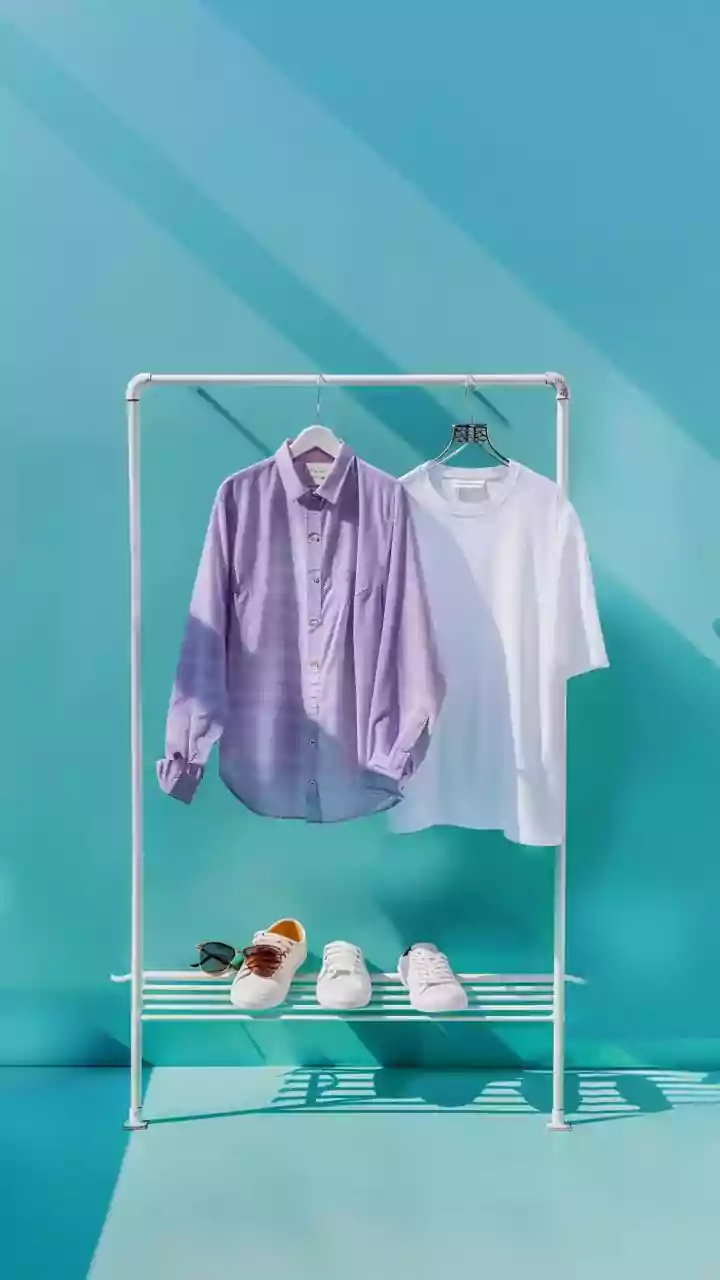
of dopamine dressing: bright colors, clashing patterns, and novelty pieces designed for a 15-second video. It was fun, expressive, and deeply rooted in the constant churn of online culture. The goal wasn't longevity; it was to capture a vibe, participate in a micro-trend, and then move on. This relentless cycle was fueled by ultra-fast fashion, where a $10 top could deliver a quick hit of sartorial relevance. But as with any sugar rush, the crash was inevitable. The aesthetic whiplash and overflowing closets have led to a collective sense of exhaustion.
Anatomy of the New Uniform
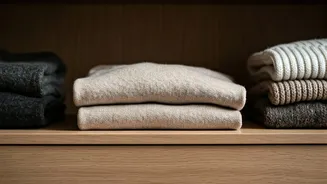
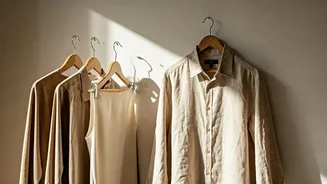
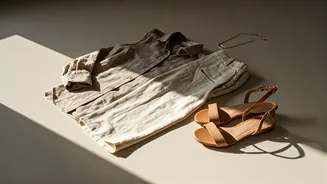
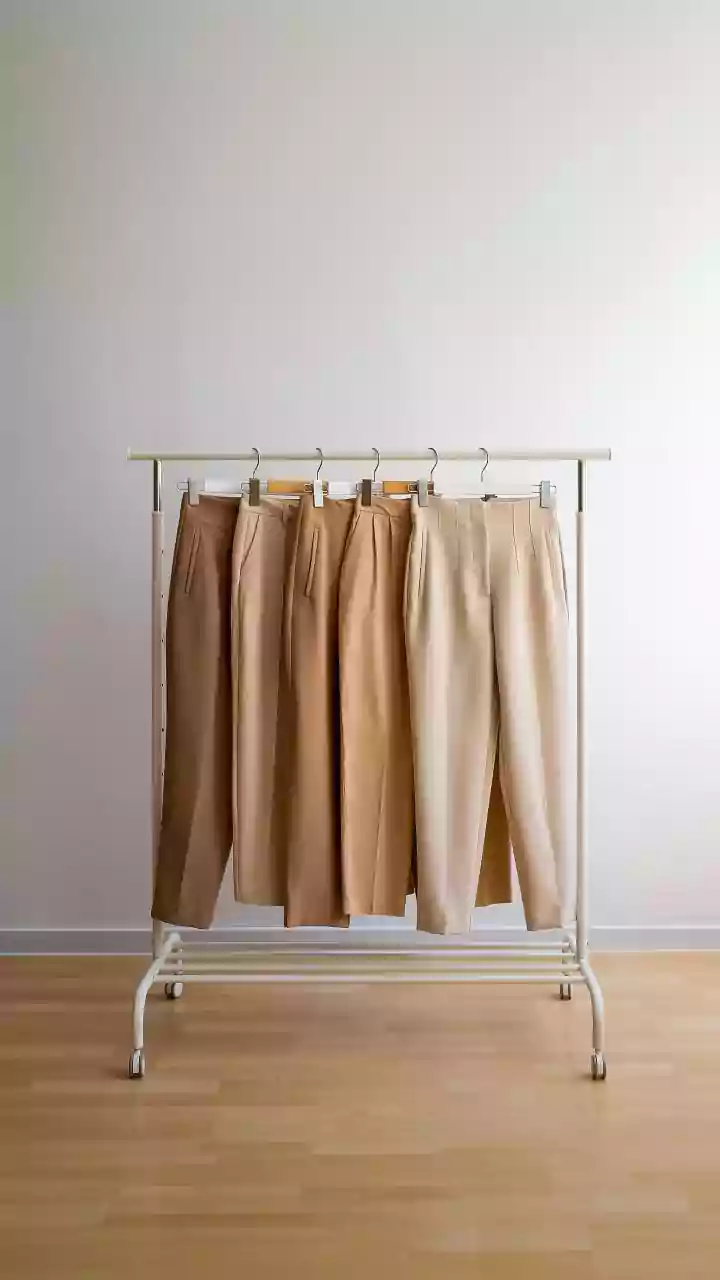
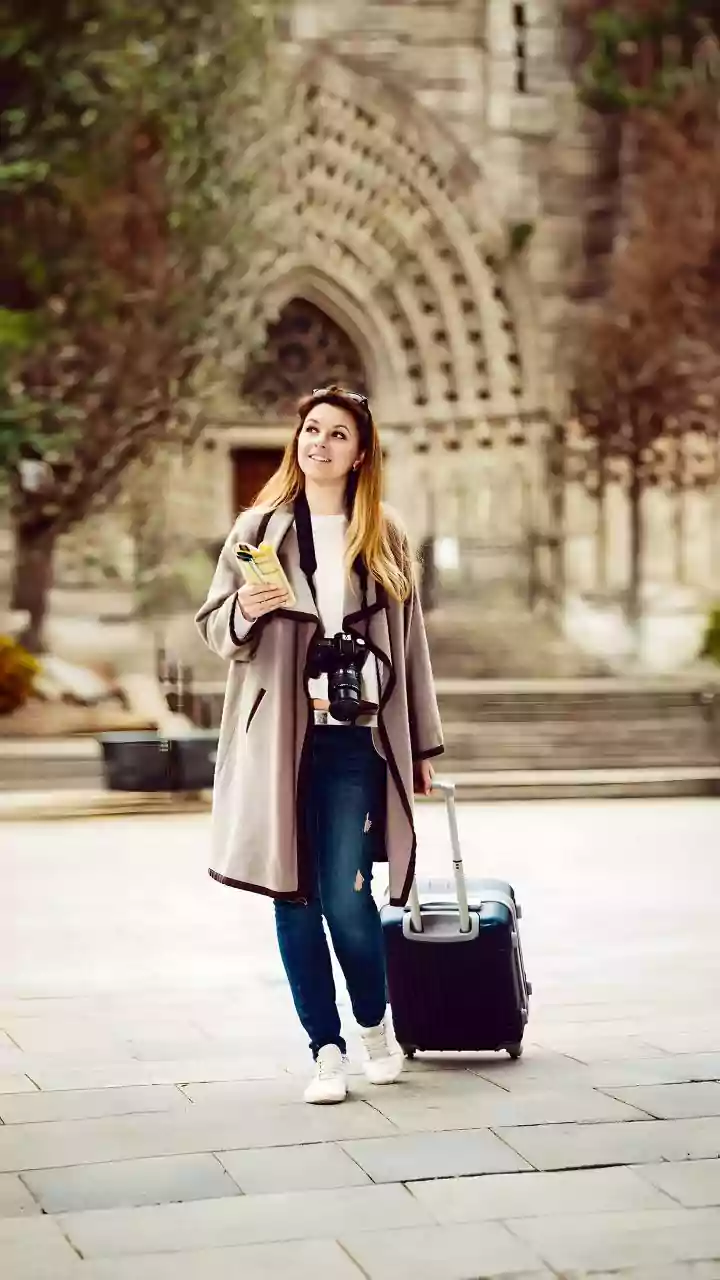
So, what does “calmer and sharper” actually look like? Think less impulse buy, more investment piece. The new Gen Z uniform is built on elevated basics and silhouettes that whisper rather than shout. We’re seeing a resurgence of classic tailoring: pleated trousers, oversized blazers, and crisp button-down shirts. Denim is becoming cleaner and darker, often in straight-leg or wide-leg cuts instead of distressed, heavily-washed styles. On foot, chunky sneakers are giving way to sleek loafers, minimalist boots, and classic Mary Janes. The color palette has cooled significantly, favoring neutrals like beige, cream, grey, and black. It’s a look that’s been dubbed everything from “quiet luxury” to “corporate core,” but at its heart, it’s about timelessness and polish. It’s a wardrobe built on versatility, where pieces can be mixed and matched for work, weekend, and beyond.
A Backlash Against the Algorithm
This shift isn’t just about aesthetics; it’s a conscious rebellion against the very forces that shaped the previous era. The micro-trend cycle, once a source of creative fun, began to feel like a trap. Keeping up was financially draining and environmentally questionable. Many in Gen Z are now acutely aware of the mountains of textile waste created by fast fashion and are actively seeking more sustainable ways to engage with style. This means buying less but buying better, prioritizing secondhand and vintage finds, and learning to mend and care for clothing. The move toward a calmer style is a rejection of the algorithmic pressure to constantly consume and perform. It’s a declaration that personal style should be about durable self-expression, not fleeting digital validation.
Dressing for an Uncertain Future
There’s also a powerful economic and psychological driver behind this trend. As Gen Z enters a volatile job market and grapples with financial anxieties, their approach to dressing is becoming more strategic. A well-made blazer and a pair of tailored pants are not just clothes; they’re armor. This sharper, more professional attire can be seen as a form of “manifesting”—dressing for the stability and success they hope to achieve. In an uncertain world, a wardrobe of reliable, high-quality staples offers a sense of control and permanence. It’s a pragmatic pivot away from the disposable trends of their teens and toward building a functional, adult wardrobe that can withstand economic and stylistic shifts. This isn't about looking rich; it's about looking ready.