


Not Just Your Mom’s Meatloaf
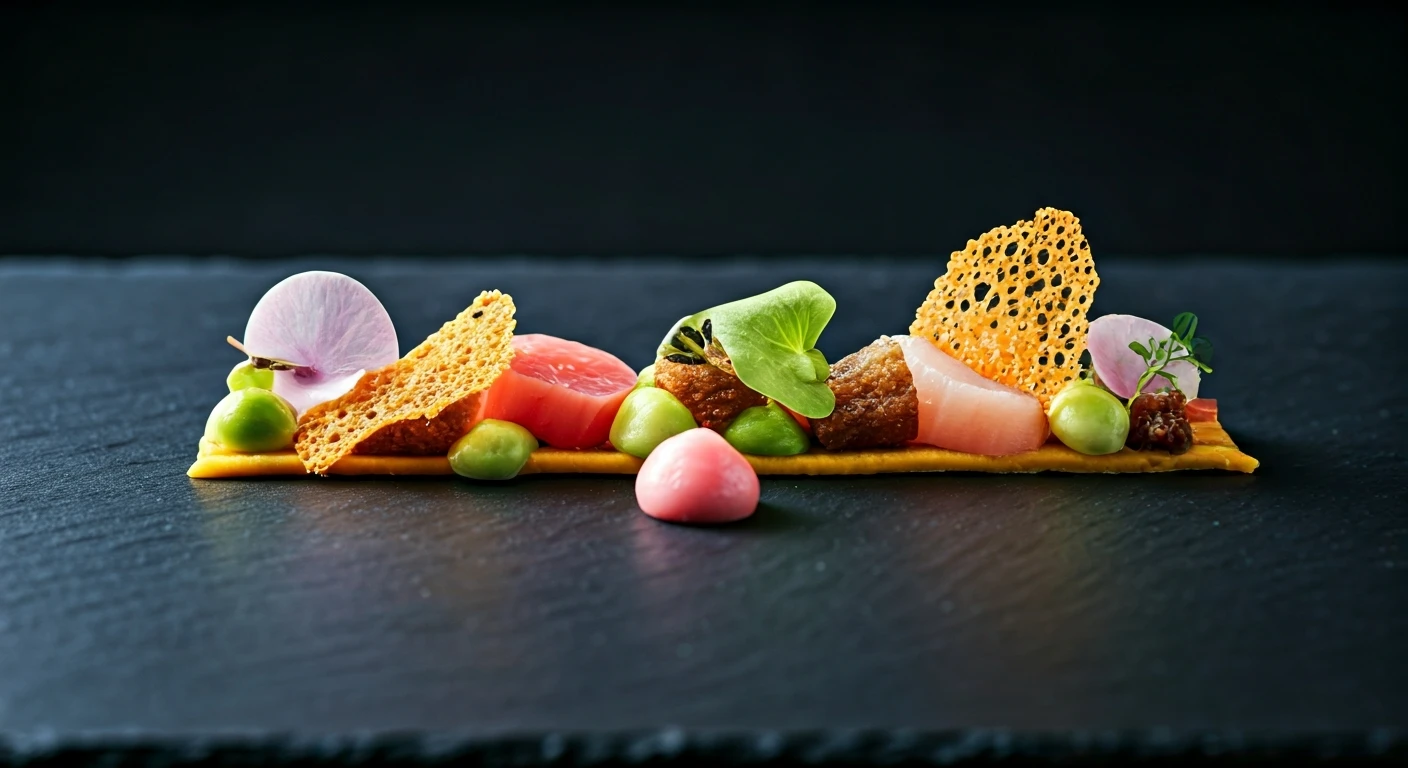
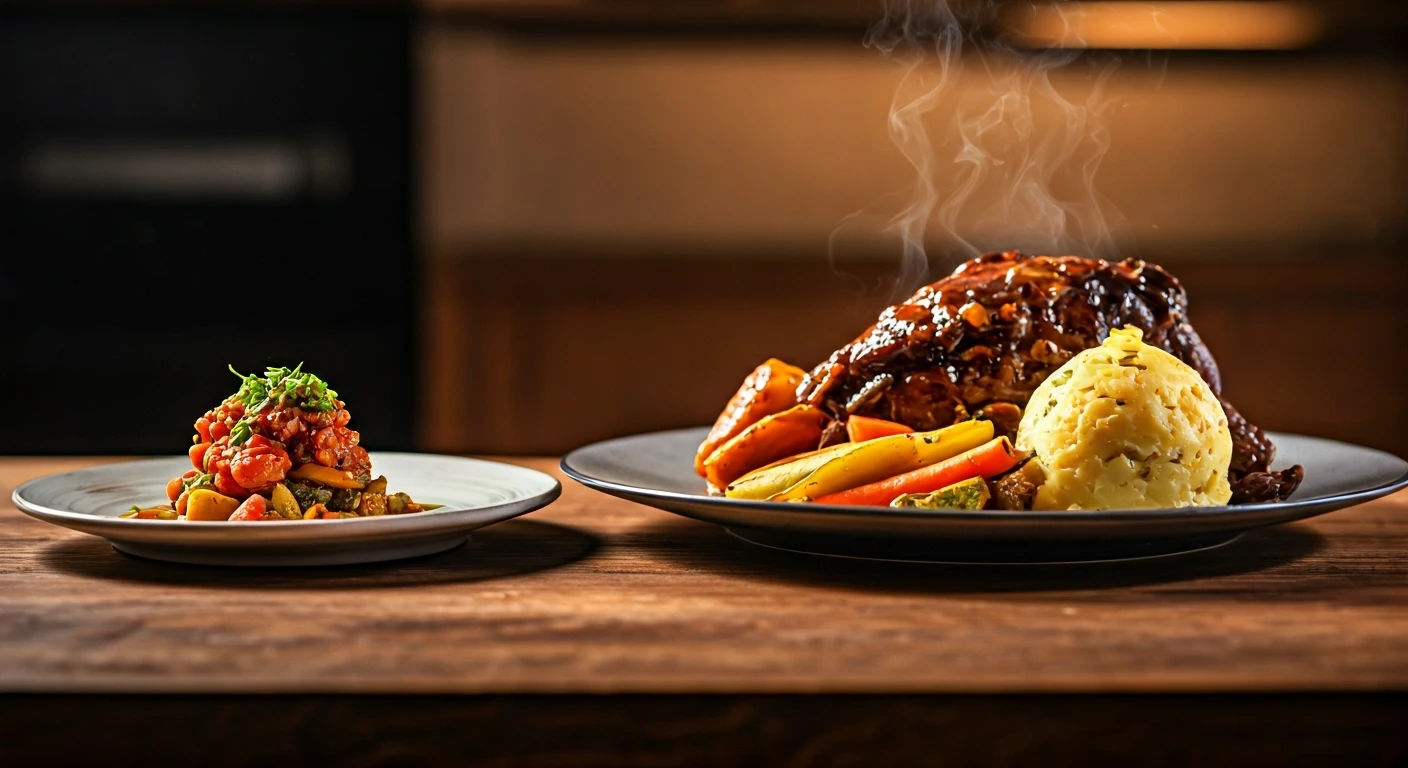
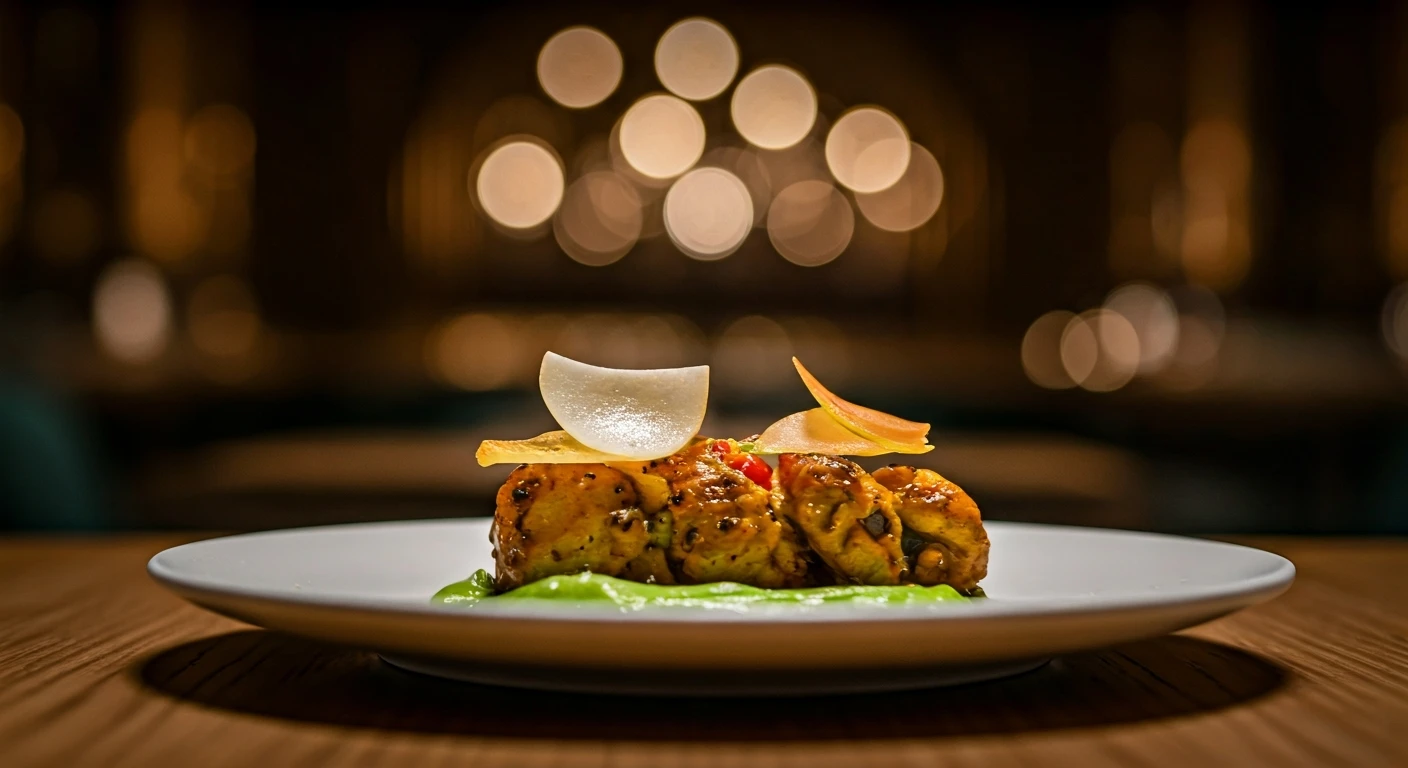
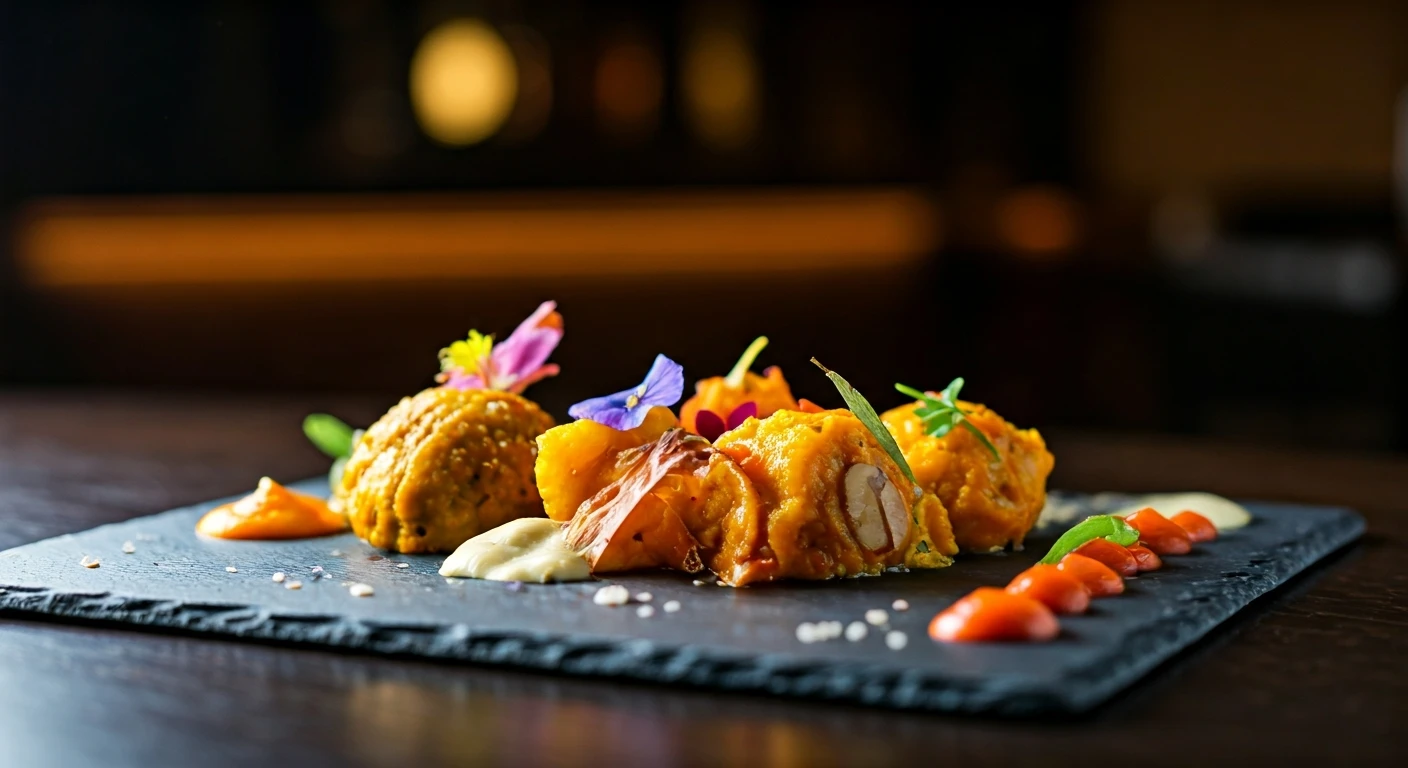
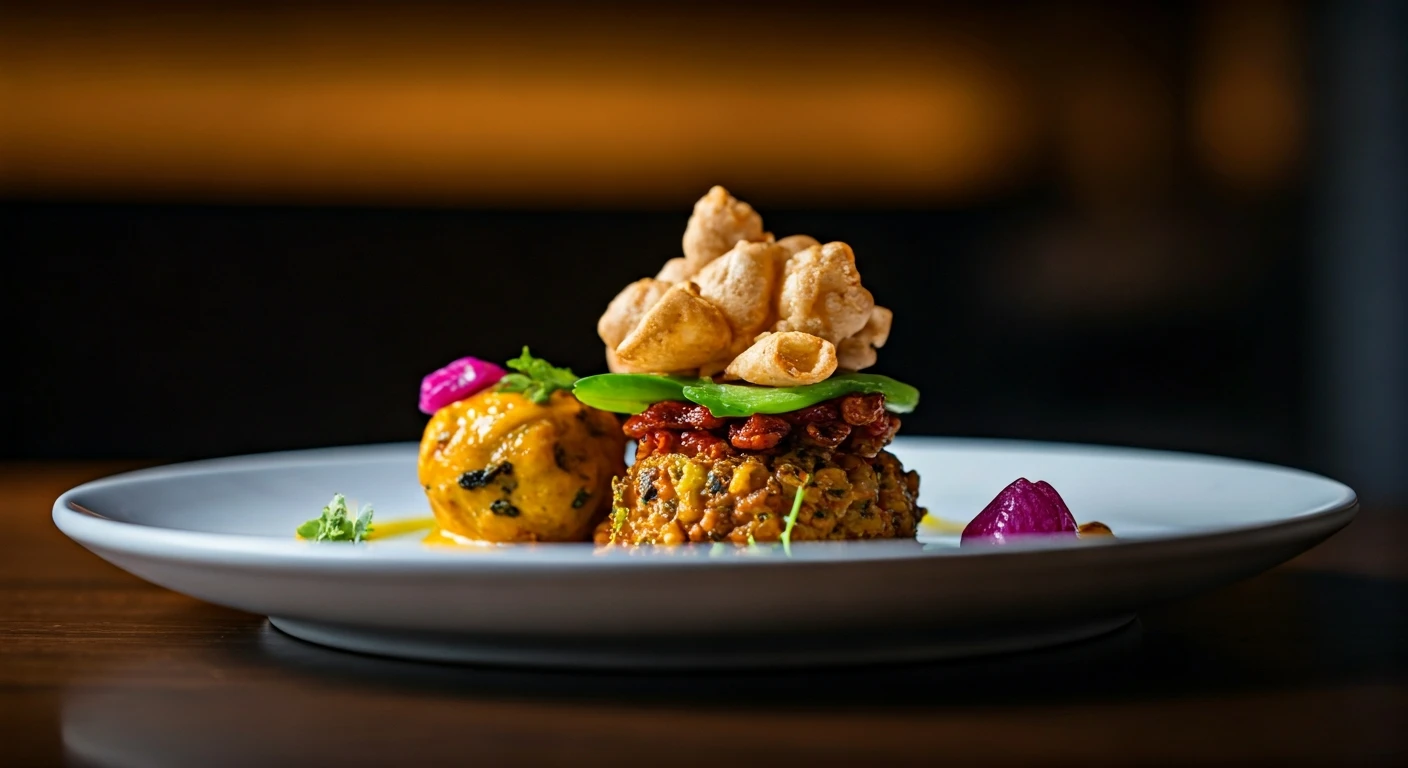
Forget the ketchup-glazed brick you grew up with. The new wave of comfort food is less about exact replication and more about reinvention. Chefs are taking the soul of a nostalgic dish and dressing it up with superior ingredients and refined culinary
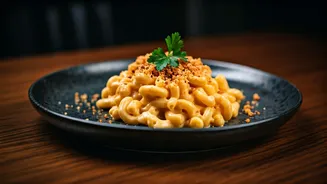
techniques. Think of it as a culinary glow-up. The mac and cheese might now feature a blend of artisanal cheeses like Gruyère and aged cheddar, topped with herbed panko instead of crushed crackers. That simple fried chicken sandwich could be a brined, buttermilk-soaked thigh served on a brioche bun with a house-made chili crisp aioli. It’s the flavor memory you crave, but executed with the precision and quality you’d expect from a top-tier kitchen. This isn’t about making comfort food unrecognizable; it’s about honoring its essence by making it the best possible version of itself.
The Search for Familiarity and Finesse
So, why now? The trend is a perfect storm of cultural and economic factors. In a post-pandemic world, diners are seeking a blend of two seemingly opposite desires: the safety of the familiar and the excitement of a special night out. After years of uncertainty and home cooking, a dish that feels both grounding and luxurious hits the sweet spot. There’s a psychological comfort in ordering something you understand, like a pot pie, but a thrill in discovering it’s filled with duck confit and wild mushrooms. This “high-low” approach also makes fine dining feel more accessible. It dismantles the intimidation factor of a tasting menu filled with esoteric ingredients, inviting guests in with a promise of something recognizable, yet elevated. It’s a smart business move, too, as these dishes often have a higher perceived value and provide a sense of indulgence that people are willing to pay for.
On the Menu: The New Classics
Walk into a trendy bistro in any major U.S. city, and you’ll see this philosophy in action. The humble grilled cheese is transformed with thick-cut artisanal bread, taleggio cheese, and a side of tomato-fennel soup for dipping. The classic burger is now made with a custom-ground blend of dry-aged beef, topped with heirloom tomatoes and served on a potato roll that’s toasted in beef tallow. Even desserts are getting the treatment. Forget a simple brownie; picture a decadent Valrhona chocolate crémeux with a toasted marshmallow fluff and graham cracker crumble—a s’more for the discerning adult. These aren’t just gimmicks. They are thoughtful reconsiderations of dishes that have an emotional resonance, built to deliver a more profound and delicious experience.
More Than a Passing Trend
While food trends come and go, the elevation of comfort food feels more like a fundamental shift. It signals a move away from the sometimes-stuffy, overly intellectualized cuisine that dominated the 2000s and a return to food that is, above all, satisfying. It’s a recognition by chefs that a connection with the diner is just as important as technical wizardry. By tapping into a shared culinary memory, these dishes create an instant bond. The ultimate goal isn't to show off, but to delight. This new chapter in American dining proves that sophistication and simplicity aren’t mutually exclusive. In fact, when they come together on a plate, the result is something that feels both excitingly new and comfortingly timeless.