

The Rise of Earthy Palettes
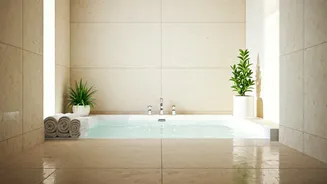
The era of the all-white or cool-gray bathroom is officially fading. In its place, designers and homeowners are embracing a richer, more grounded color palette. Think warm whites with creamy undertones, soft beiges, earthy taupes, and muted greens. These
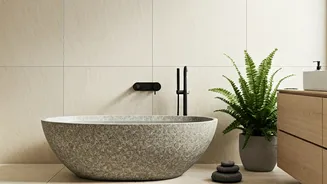
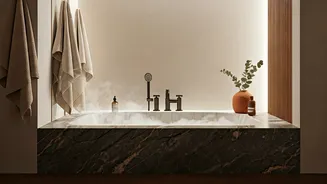
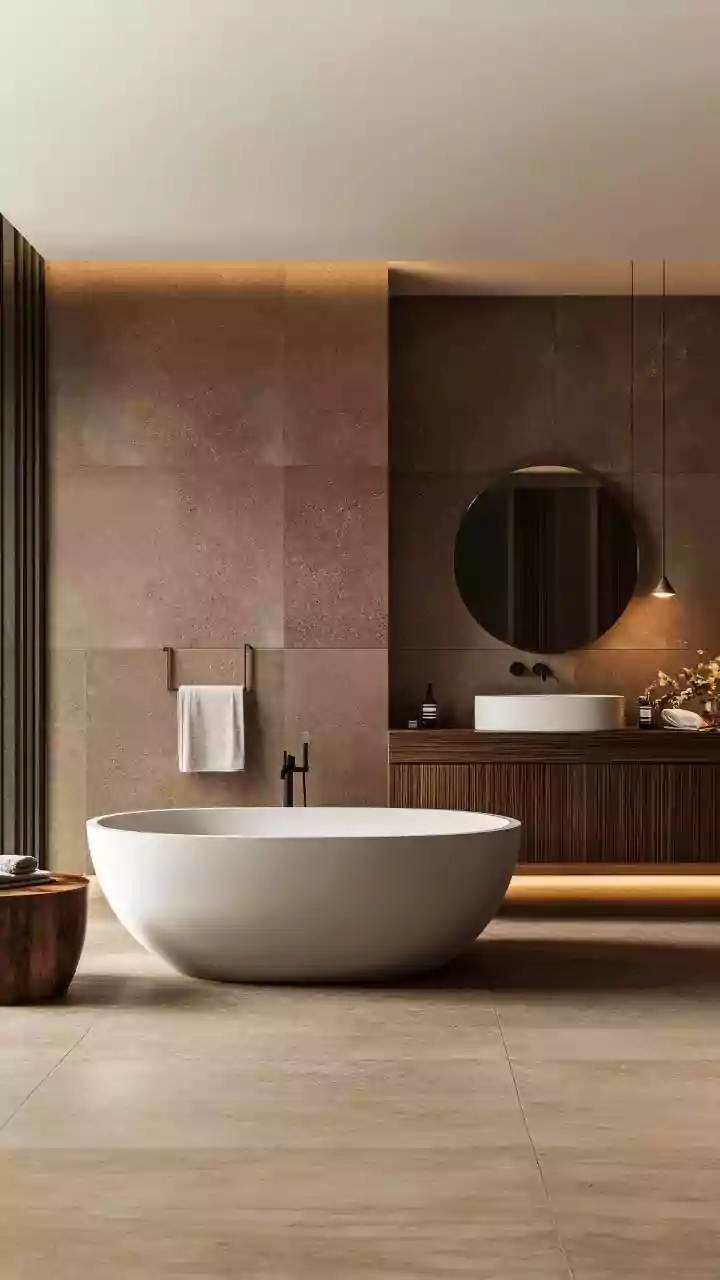
colors are inherently comforting and connect the space to the natural world. They serve as a perfect backdrop for other materials, absorbing light rather than reflecting it harshly. Even darker tones are getting warmer, with chocolate browns and deep terracottas appearing on accent walls or in tile choices, creating a cocoon-like effect that feels both luxurious and secure.
A Return to Natural Wood
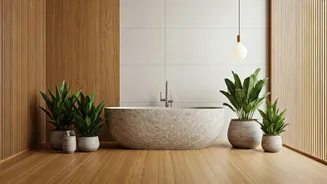
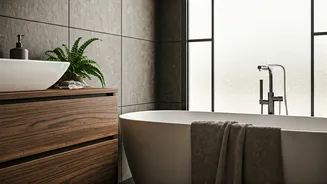
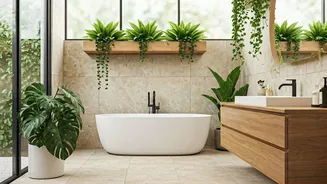
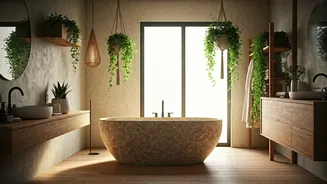
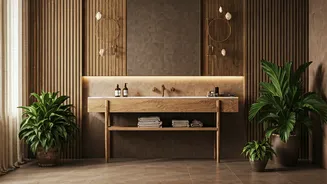
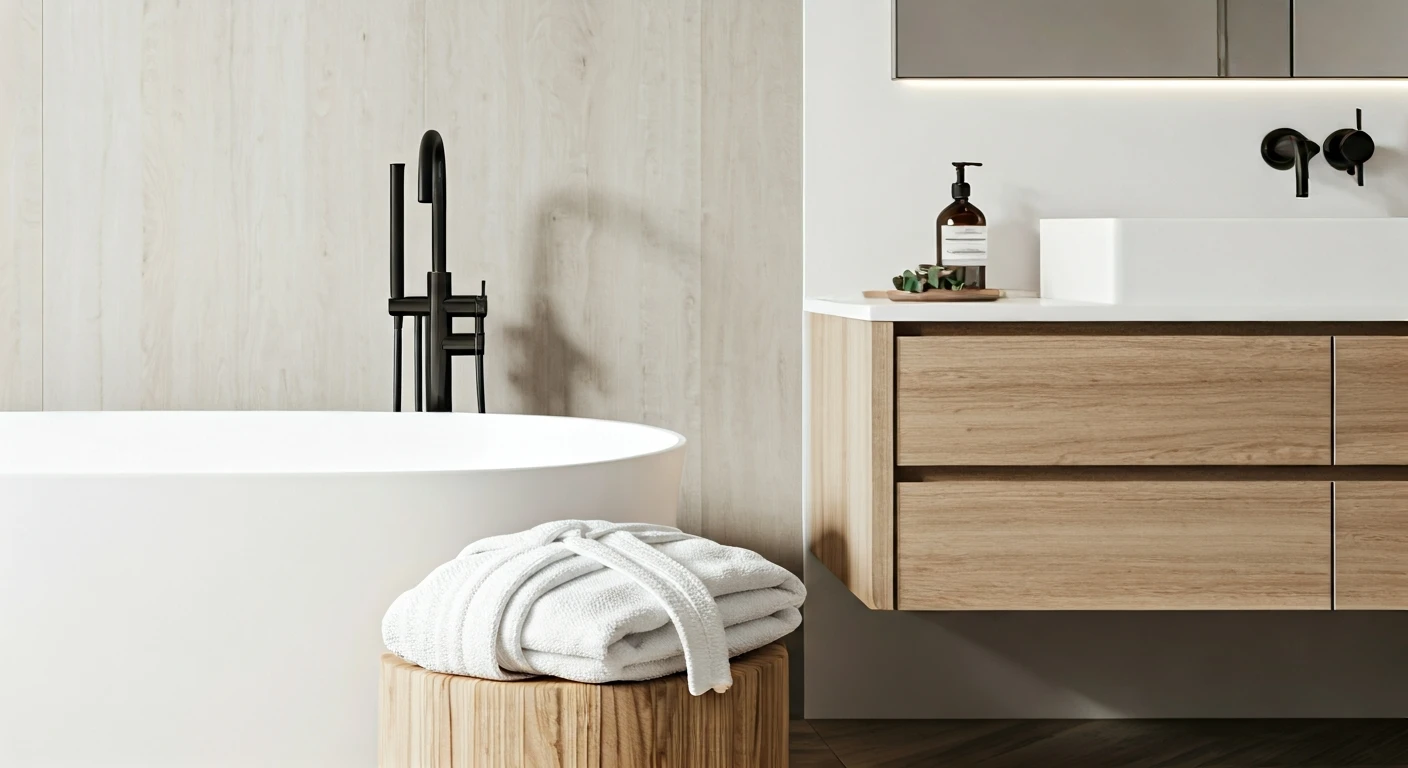
For years, wood in a bathroom was seen as a risky choice. Now, thanks to better sealants and a desire for organic texture, it’s a cornerstone of the modern warm bathroom. Light-to-medium-toned woods like white oak, maple, and teak are especially popular for vanities, floating shelves, and even accent walls. The grain and natural imperfections of the wood add a layer of visual interest and tactile warmth that manufactured materials can’t replicate. It breaks up the monotony of tile and porcelain, instantly making the room feel more like a tranquil spa retreat than a sterile utility space.
Layering Tactile Textures
A “soft” bathroom isn’t just about plush towels. It’s a full sensory experience built on texture. Walls are moving beyond simple paint, with finishes like limewash and Roman clay providing a soft, matte, and subtly varied surface. Fluted or reeded details are appearing on everything from vanity fronts to shower doors, adding rhythm and shadow. On the floor, gone are the days of the sad, flimsy bath mat; in its place are durable, washable wool or jute area rugs that define the space and feel good underfoot. These layers work together to create a room that’s as pleasing to the touch as it is to the eye.
Embracing Softer Silhouettes
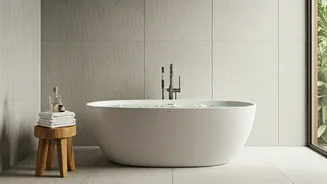
The hard, sharp lines of ultra-modernism are being smoothed over. The new softness is also literal, appearing in the shapes of fixtures and furniture. Arches are a major motif, showing up in mirrors, doorways, and shower enclosures. Vanities and tubs are increasingly featuring curved corners, which soften the room’s geometry and improve flow. This move away from rigid squares and rectangles makes the space feel more organic and less severe. Even faucets and hardware are trending toward more ergonomic, gently curved designs that are more pleasant to interact with daily.
Warm, Layered Lighting
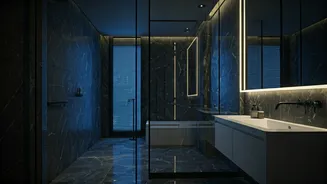
Perhaps nothing kills a cozy vibe faster than a single, harsh overhead light. The warm bathroom makeover prioritizes a layered lighting plan. The goal is to create a gentle, flattering glow. This typically involves a combination of sources: a pair of elegant sconces flanking the mirror for task lighting, a beautiful pendant or small chandelier for ambient light, and recessed ceiling lights on a dimmer switch for overall function. Choosing bulbs with a warmer color temperature (around 2700K) is crucial. This approach eliminates harsh shadows and allows you to adjust the room’s mood, from bright and functional in the morning to low and relaxing for an evening bath.