



From Pet-Friendly to Pet-Centric
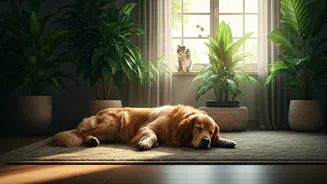
The most visible shift is in how we design for our pets. For decades, “pet-friendly” meant choosing durable, easy-to-clean fabrics. Today, the focus is moving toward “pet-centric” design, an approach that actively promotes the animal’s physical and mental
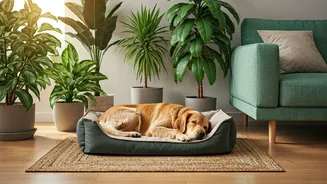
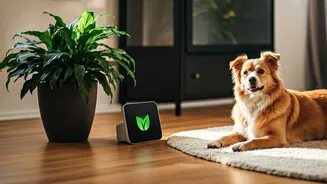
health. This goes far beyond a fancy dog bed in the corner. Architects and designers are now integrating custom features that cater to animal instincts and comfort. Think built-in, filtered water stations that encourage hydration, dedicated wash stations in mudrooms to keep paws and coats clean, and intricate vertical wallscapes—dubbed “catios” and climbing shelves—that give indoor cats safe outlets for exploration. Materials are also being chosen with pet wellness in mind. Homeowners are seeking out non-toxic flooring, paints with low volatile organic compounds (VOCs), and furniture made without harmful chemicals, recognizing that our furry companions are often more sensitive to environmental toxins.
When Plants Become Occupants
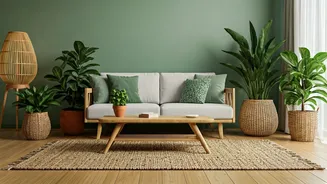
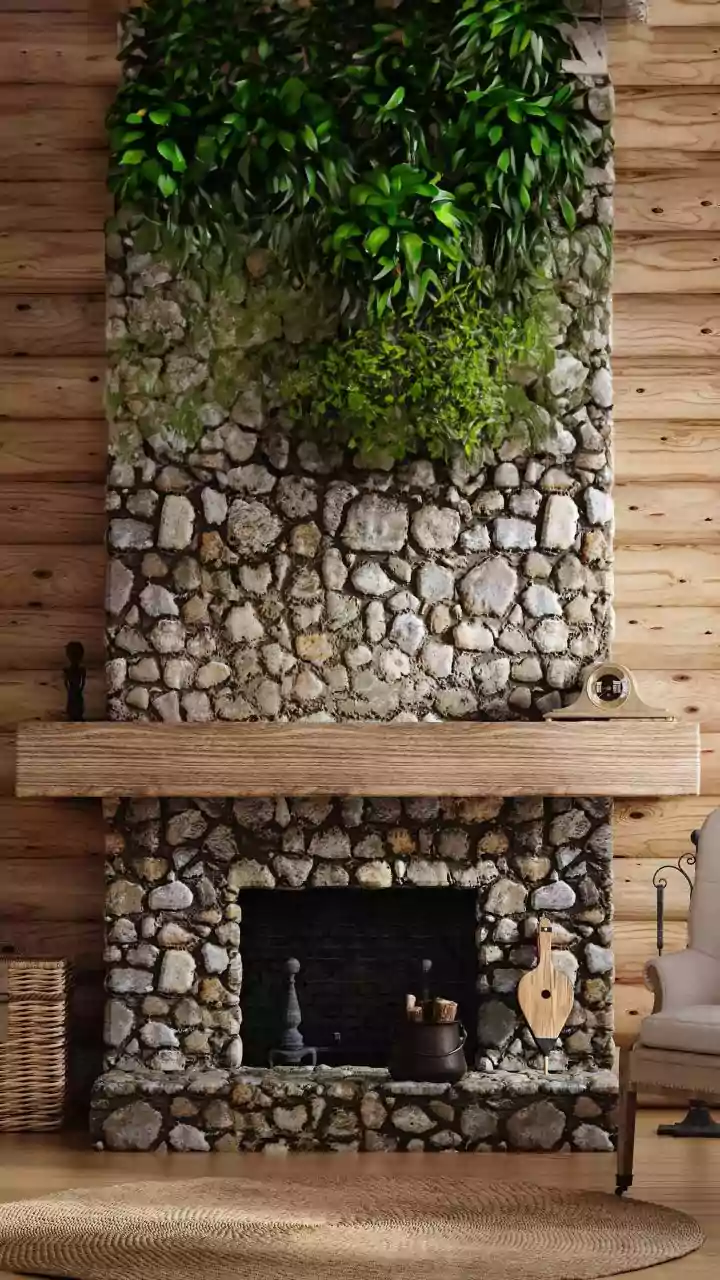
The houseplant boom isn’t just about aesthetics anymore; it’s about creating a thriving indoor ecosystem. The principle of biophilic design—the idea that humans have an innate need to connect with nature—is evolving. Instead of simply using plants as decoration, the new wellness-focused approach treats them as living occupants whose needs are integral to the home’s health. This means designing spaces with plants in mind from the outset. We’re seeing an increase in rooms oriented to maximize natural light for specific plant species, integrated smart-grow systems that automate watering and light cycles, and even “plant walls” with built-in irrigation. The goal is no longer just to keep a fiddle-leaf fig alive, but to create an environment where it flourishes. The payoff is mutual: thriving plants are better at purifying the air and creating a calming atmosphere, which directly benefits the human residents. The plant’s wellness and the human’s wellness are seen as interconnected.
The Health of the Home Itself
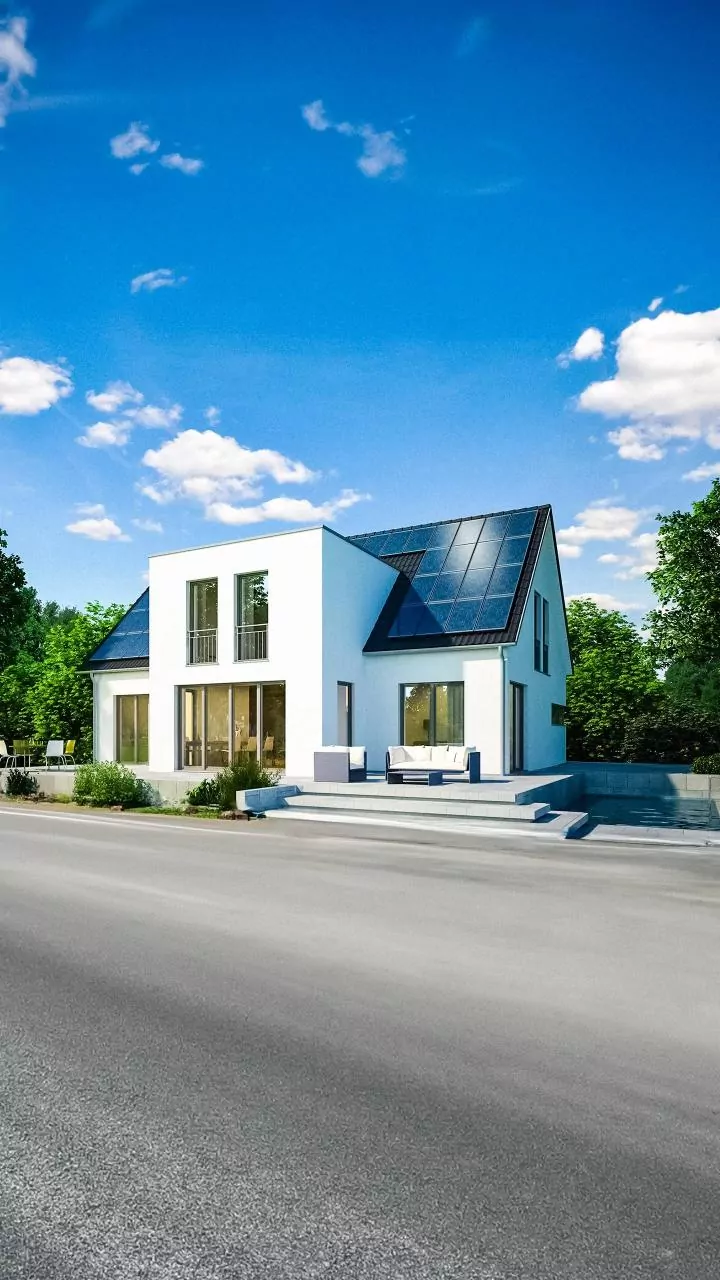
Perhaps the most abstract frontier of this trend is the idea that the building itself has a form of wellness. This concept, borrowed from commercial standards like the WELL Building Standard, is trickling down into residential design. It frames the house as a living system with its own “metabolism” that requires monitoring and maintenance. High-tech systems are at the forefront of this movement. Advanced HVAC systems with HEPA filters and UV-C light sanitization don’t just clean the air for humans; they protect the entire building from mold and mildew. Smart water monitors test for purity at the source, ensuring the health of every tap. Even the home’s “breathability” is considered, with energy-recovery ventilators that exchange stale indoor air for fresh outdoor air without sacrificing thermal efficiency. In this view, a healthy home is one that actively manages its own vitals—air quality, water purity, humidity, and light—creating a baseline of well-being that supports all its inhabitants, human or otherwise.
Why the Shift is Happening Now
This expansion of indoor wellness isn’t happening in a vacuum. It’s a convergence of several cultural currents. The pandemic accelerated our focus on the home as a sanctuary, a safe haven from the outside world. As we spent more time indoors, the quality of that environment became paramount. Simultaneously, the “humanization” of pets has reached an all-time high, with owners increasingly viewing their animals as family members deserving of the same level of care and comfort. Add to that a growing collective anxiety about climate change and environmental degradation, which fuels a desire to bring a managed, thriving piece of nature indoors. The wellness industry, always on the hunt for new markets, has capitalized on these sentiments, creating a new category of products and services aimed not just at you, but at your entire domestic ecosystem.