

First, What Is Barfi?
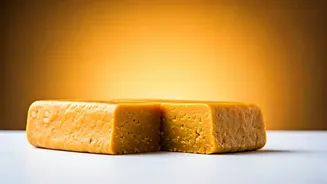
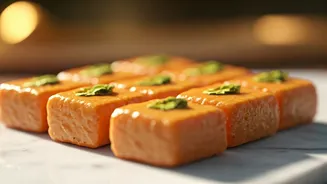
Before we get to the mango, let’s talk barfi. For the uninitiated, barfi is a dense, milk-based confection from the Indian subcontinent, often compared to fudge but with a character all its own. Its foundation is typically khoya (also known as mawa),
which is milk solids created by slowly simmering milk until most of the moisture evaporates. This rich, creamy base is then cooked with sugar until it thickens into a pliable mass. From there, the variations are endless. You can find it studded with pistachios (pista barfi), infused with cardamom, or layered with other ingredients. It’s a staple at celebrations, a comforting treat with tea, and a foundational player in the world of mithai (Indian sweets).
The Mango Makes It Magic
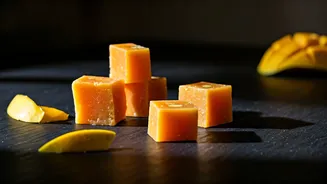
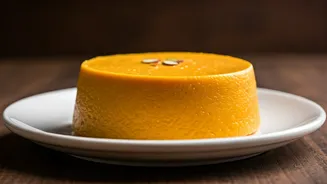
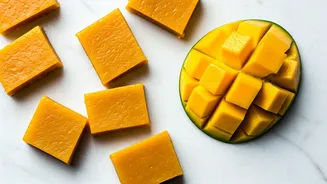
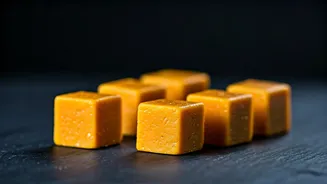
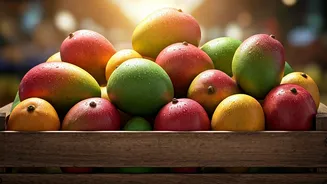
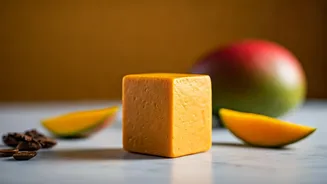
Now, imagine that creamy, melt-in-your-mouth texture infused with the undeniable essence of a perfect mango. That’s mango barfi. It’s not just a dessert with a hint of fruit; it’s a full-throated celebration of the mango itself. The confection captures the bright, tropical sweetness and fragrant aroma of the fruit, balancing it against the rich, milky backdrop of the barfi. The best versions use high-quality mango pulp, often from prized varieties like the Alphonso, known in India as the “King of Fruits.” The result is a vibrant orange or deep yellow square of pure joy, a flavor that tastes exactly like sunshine and summer.
A Seasonal Superstar
Unlike some year-round mithai, mango barfi has a beautiful, fleeting quality tied directly to mango season. In the U.S., while you can get mangoes most of the year, the peak season for the most flavorful varieties runs from late spring through summer. This is when Indian sweet shops and home cooks go into overdrive, turning crates of the fragrant fruit into pickles, drinks, and, of course, desserts. Mango barfi is the embodiment of this seasonal abundance. It’s a way to capture the very best of the harvest and transform it into something truly special. Its appearance in a mithai shop window is a sign that summer has truly arrived, bringing with it a sense of urgency: get it now, before the season ends.
How It Stacks Up
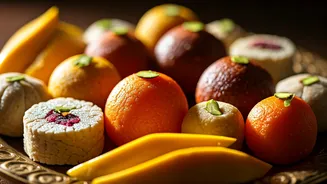
So where does mango barfi fit in the crowded field of mithai? Think of it as the vibrant, modern cousin to more traditional sweets. It doesn’t have the syrupy intensity of a gulab jamun or the granular texture of a ladoo. Instead, it offers a smooth, clean fruit flavor that feels both decadent and refreshing. It’s less intensely sweet than some other barfis, as the natural sweetness and slight tang of the mango pulp cut through the richness of the sugar and milk solids. This makes it a perfect gateway mithai for those who might find other Indian sweets too heavy. It's sophisticated enough for a dinner party but simple enough to be enjoyed as a quiet afternoon indulgence.
Finding the Real Deal
Ready to try it? Your best bet is a local Indian or South Asian sweet shop (mithaiwala). Ask if they make it fresh and in-season. The color should be a natural, rich yellow or orange, not a neon, artificial hue. A good mango barfi will smell distinctly of mangoes before you even take a bite. For the ambitious, making it at home can be a rewarding project, especially if you can get your hands on high-quality canned mango pulp (look for Alphonso or Kesar varieties) or have the patience to make your own. The process is a labor of love, involving a lot of stirring, but the final product is a taste of pure, unadulterated summer.