

Beyond White Rice and Pasta
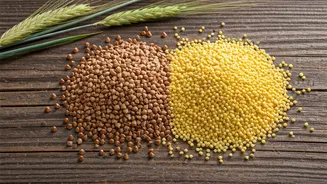
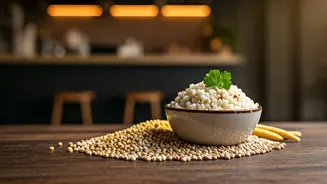
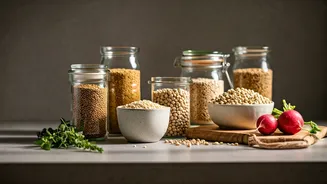
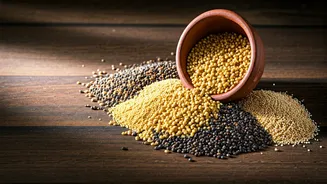
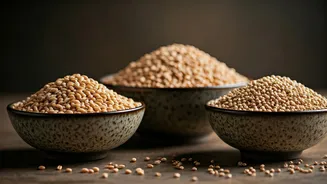
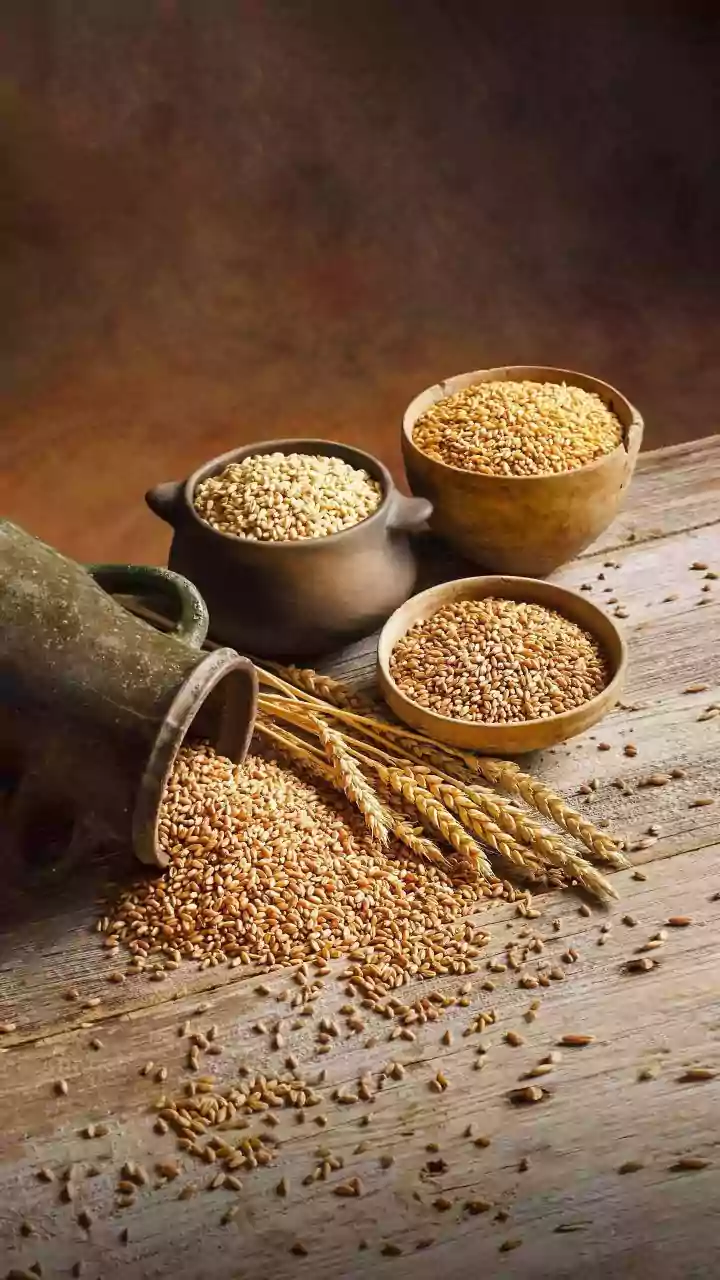
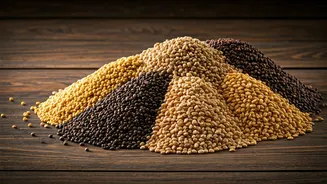
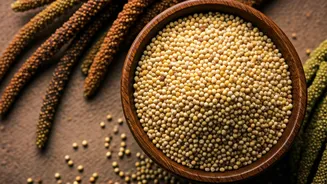
When we say “better grains,” we’re not talking about your standard-issue refined white flour or rice. The stars of this new movement are a diverse and flavorful cast of ancient and whole grains. Think of fluffy quinoa, chewy farro, nutty freekeh, and versatile
millet. These aren't new foods—many have been staples in other cultures for millennia—but they are enjoying a renaissance in the U.S. as consumers look for more nutritious, texturally interesting, and less-processed carbohydrate sources. Unlike their refined counterparts, which are stripped of their bran and germ, whole grains retain all their parts. This means they’re packed with fiber, B vitamins, minerals like magnesium and iron, and a satisfying heft that keeps you feeling full longer. They provide a robust, earthy foundation that simple starches just can't match.
The Nutritional Power Couple
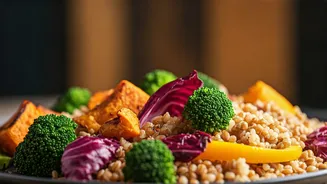
The magic of this combination lies in its nutritional synergy. On their own, vegetables are nutritional superstars, loaded with vitamins, antioxidants, and minerals. Grains bring complex carbohydrates for sustained energy, plant-based protein, and, most importantly, a high dose of fiber. When you combine them, you create a meal that’s far greater than the sum of its parts. The fiber from both grains and veggies works together to support digestive health and stabilize blood sugar, preventing the energy crashes associated with refined carbs and sugary foods. Furthermore, certain combinations can create a “complete protein,” providing all nine essential amino acids that the body can't produce on its own. A classic example is beans and rice, but the principle extends to pairings like quinoa with roasted broccoli or lentils with barley. This makes the grain-and-veggie plate a complete, satisfying, and nutritionally sound option, especially for those looking to reduce their meat consumption.
A Playground for Flavor and Texture
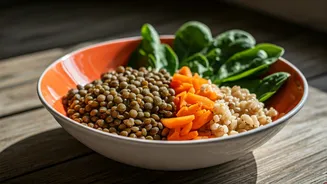
Beyond nutrition, this trend is exploding because it’s simply more delicious and interesting to eat. A well-constructed grain and veggie bowl is a masterclass in contrasts. Imagine the subtle pop of quinoa against the tender sweetness of roasted sweet potatoes, or the hearty chew of farro paired with crisp, peppery arugula and shaved Parmesan. The grains act as a neutral-to-nutty canvas, absorbing dressings and soaking up the flavors of the vegetables they’re paired with. This approach encourages creativity in the kitchen. You can roast, grill, steam, or sauté your vegetables. You can add crunch with nuts and seeds, creaminess with a dollop of yogurt or a tahini dressing, and a burst of brightness with fresh herbs or a squeeze of lemon. It transforms the meal from a formulaic “protein-starch-veg” into a dynamic, customizable experience where every bite can offer a different combination of flavors and textures.
How to Build Your Own Bowl
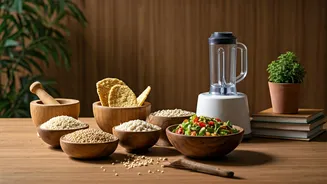
Getting started is simpler than you think. Forget complicated recipes and embrace a more intuitive, modular approach. Start with a base of your chosen cooked grain—about a cup per person is a good starting point. Next, layer on one or two types of vegetables. Roasted vegetables like broccoli, cauliflower, and carrots add deep, caramelized flavor, while raw, chopped veggies like bell peppers, cucumbers, and tomatoes provide a fresh crunch. For an extra boost of protein and fiber, consider adding a scoop of chickpeas, lentils, or edamame. Finally, tie it all together with a simple sauce or dressing. A vinaigrette, a lemon-tahini sauce, or even just a drizzle of high-quality olive oil and a sprinkle of salt and pepper can elevate the entire dish. This “build-a-bowl” method is perfect for weeknight dinners, meal-prepped lunches, and using up whatever vegetables you have in the fridge.