




From Kibble to Cuisine
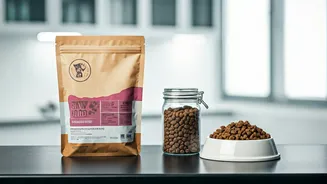
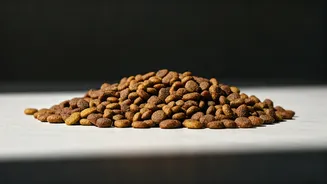
Walk down the pet food aisle—or more likely, scroll through your Instagram feed—and you'll see the evidence. The traditional landscape of dry kibble and wet food in a can is being disrupted by a new class of pet nutrition. We're talking about subscription
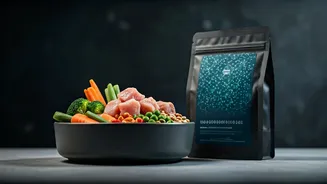
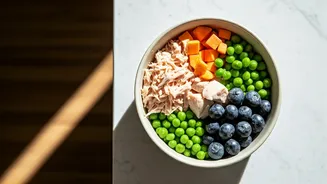
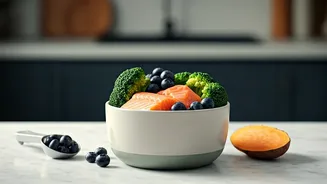
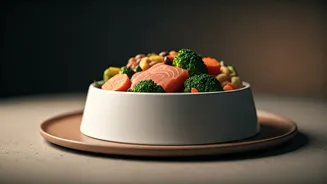
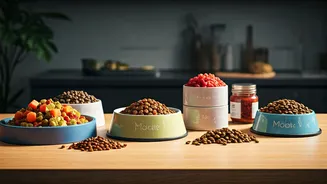
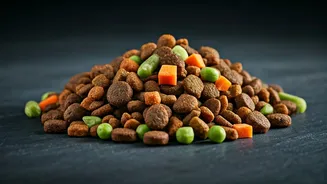
boxes delivering pre-portioned, fresh-cooked meals made with human-grade ingredients like beef, kale, and sweet potatoes. Companies like The Farmer's Dog, Ollie, and Nom Nom have built entire businesses on this model, shipping frozen packs of what looks like stew directly to consumers' doors. Beyond fresh-cooked options, the trend includes raw food diets, which promise a return to a more 'ancestral' way of eating, and hyper-personalized kibble. Services like Just Right and The Vets a-Z allow owners to fill out detailed quizzes about their pet's breed, age, activity level, and health issues to create a unique blend of dry food tailored to their specific needs. It's a far cry from a simple choice between chicken or beef flavor.
The Humanization of 'Fur Babies'
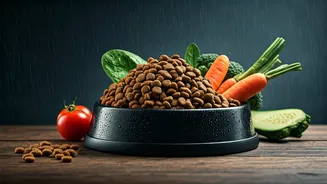
So, why the sudden shift? This trend isn't happening in a vacuum. It’s a direct extension of two major cultural forces: the humanization of pets and the broader wellness movement. More and more Americans, particularly Millennials and Gen Z, view their pets not just as animals, but as integral members of the family—often referred to as 'fur babies' or 'fur children.' When you see your dog as a child, you start to scrutinize their diet the same way you would for a toddler. At the same time, the wellness-obsessed culture that has us drinking green juice, tracking our steps, and avoiding processed foods is spilling over into the pet bowl. If we believe whole, fresh ingredients are better for us, it’s a short logical leap to assume they are better for our pets. Marketing for these premium brands leans heavily into this, using language like 'real food,' 'human-grade,' and 'no preservatives' that mirrors the clean-eating movement for people.
The Price of Premium Nutrition
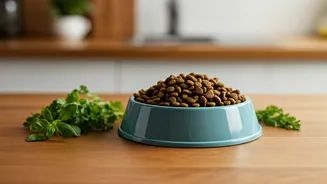
This level of personalization and quality doesn't come cheap. Feeding a medium-sized dog a standard dry kibble diet can cost as little as $30-$60 per month. By contrast, a fresh-food subscription service for the same dog can easily run from $200 to over $400 per month. This significant price difference positions premium pet food as a luxury consumer good. For many owners, the cost is justified by the perceived health benefits: shinier coats, better digestion, increased energy, and fewer trips to the vet. They see it as an investment in their pet’s long-term health and happiness. However, the high price point also creates a new kind of social pressure and, for some, guilt. It raises the question of whether providing the 'best' for your pet is becoming an unaffordable standard, reserved only for those with significant disposable income.
What Do the Vets Say?
This is where the conversation gets more complex. While many veterinarians are thrilled that owners are paying closer attention to their pet's nutrition, they also urge a dose of caution. The primary concern is nutritional completeness. A diet, whether it's cooked at home or by a boutique company, must be properly balanced with the right ratio of proteins, fats, vitamins, and minerals. Reputable brands often work with veterinary nutritionists to ensure their formulas meet the standards set by the Association of American Feed Control Officials (AAFCO), but the industry is still young. Many vets point out that traditional, high-quality kibble from established brands is the subject of decades of research and feeding trials, proving its ability to support long, healthy lives. The long-term effects of many newer fresh or raw diets are not yet as well-studied. The consensus from the veterinary community is not to dismiss these new diets outright, but to approach them with careful research. The key is to choose a diet—whatever it may be—that is complete, balanced, and appropriate for your individual pet's life stage and health status.