


Beyond the Yogurt Aisle
When most Americans think of Indian food and fermentation, the conversation usually begins and ends with dahi, or homemade yogurt. While dahi is a cornerstone of Indian cuisine and a probiotic powerhouse, it’s merely the opening chapter in a vast library
of fermented traditions. For centuries, across the subcontinent’s diverse climates and cultures, fermentation wasn’t a trend; it was a fundamental technique for preservation, flavor enhancement, and nutrition. From the Himalayas to the coasts of Kerala, families have used microbial magic to transform grains, vegetables, and legumes into digestible, nutrient-dense foods that form the bedrock of regional diets. Now, a new generation of chefs, nutritionists, and home cooks in India and the diaspora is looking past fleeting Western wellness fads and turning back to their grandmothers’ kitchens, rediscovering these potent, time-honored practices.
A Taste of Tradition
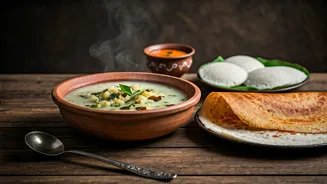
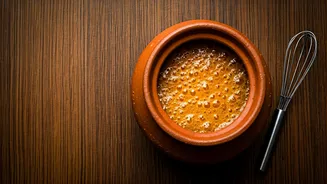
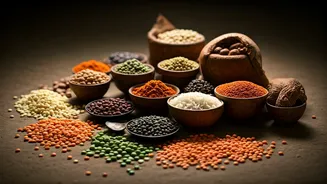
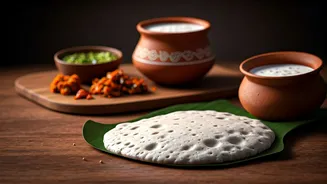
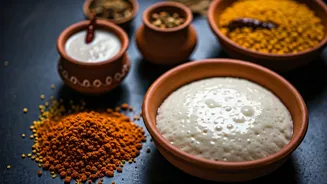
So what does this fermented renaissance taste like? It's as varied as India itself. In the north, you might find Kanji, a tangy, probiotic drink made from purple carrots or beets, salt, and spices, left to ferment in the sun. It’s a seasonal winter tonic, revered for aiding digestion and its vibrant, earthy flavor. Further south, the batter for staples like idli (steamed rice cakes) and dosa (savory crepes) is a classic example of fermentation at work. A simple blend of rice and lentils is left to sit overnight, allowing wild yeasts and bacteria to leaven the mixture, increase its protein bioavailability, and create that signature sour tang. In states like Odisha and West Bengal, Pakhala or Panta Bhat—cooked rice soaked in water and left to ferment overnight—is a humble but beloved summer meal, a cooling, gut-friendly gruel that replenishes the body in humid weather. These are not exotic novelties; they are everyday foods packed with microbial wisdom.
The Gut-Culture Connection
The resurgence of these foods is about more than just probiotics. It’s a conscious movement toward what many call “food sovereignty”—a return to local, seasonal, and culturally appropriate foods. For years, the global wellness narrative has been dominated by expensive, imported “superfoods.” This new wave in Indian wellness pushes back, arguing that true health lies in the familiar, accessible ingredients that have nourished communities for generations. It’s a decolonization of the diet, reclaiming ancestral knowledge from the shadow of industrial food systems. This movement champions the idea that the secrets to good health aren’t waiting to be discovered in a lab or imported from another continent; they’re often preserved in family recipes and regional traditions. It’s a powerful reminder that culture is a key ingredient in a healthy lifestyle.
From Home Kitchens to Modern Menus
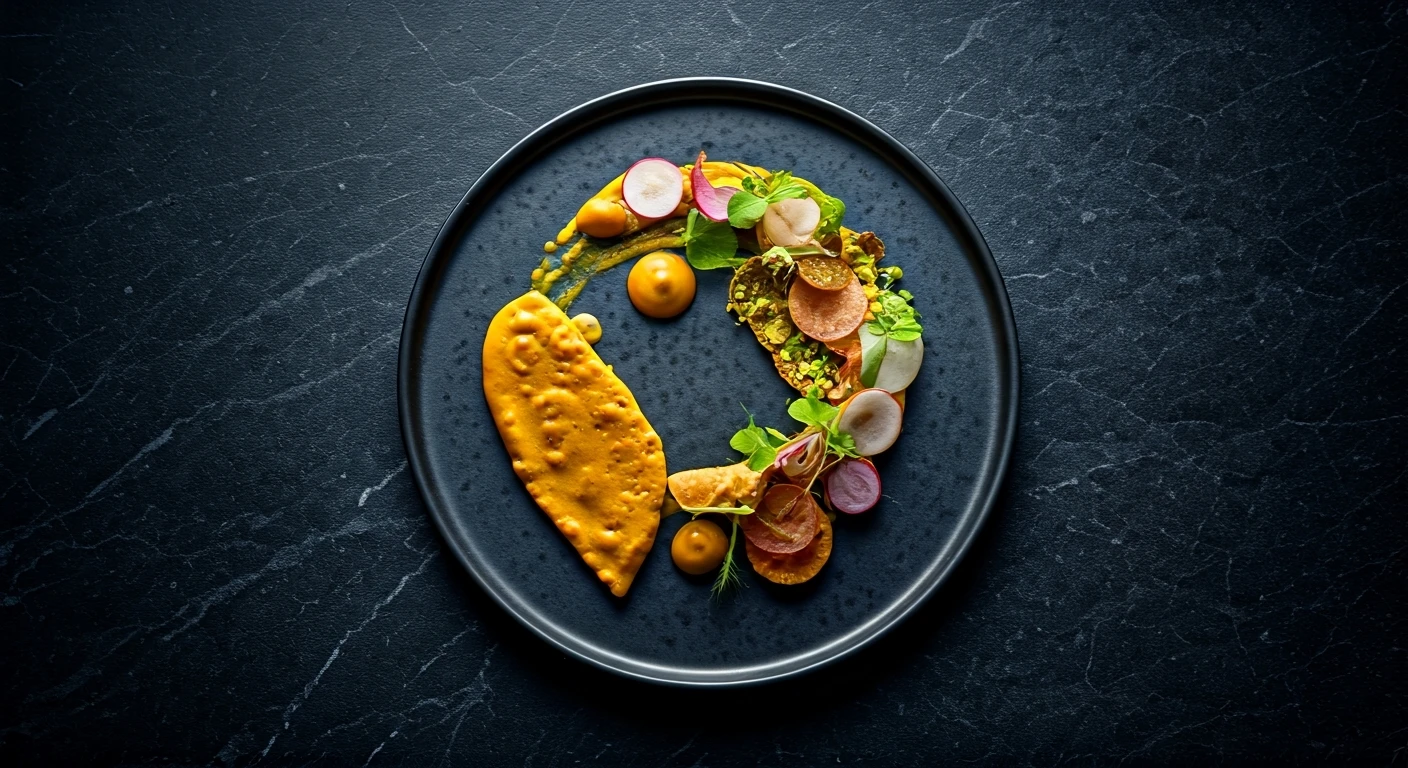
This rooted revival isn't just a quiet, domestic affair. It’s showing up in cafes, on chefs’ tasting menus, and across social media. Wellness influencers in India are championing the benefits of rice gruel over quinoa bowls. Innovative chefs are creating modern dishes that highlight the complex flavors of fermentation, from kanji-based cocktails to artisanal pickles that go far beyond the standard mango variety. Cookbooks and online workshops are teaching a new generation how to make these traditional ferments at home, demystifying the process and connecting people to their culinary heritage. For the U.S. audience, it’s an invitation to broaden our own wellness horizons. As we continue to explore the connection between our gut and our overall health, the Indian fermentation story offers a rich, flavorful, and profoundly sustainable path forward.