
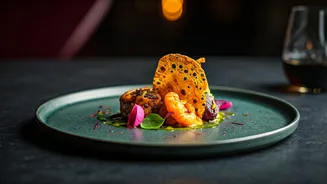
The Original Symphony on a Plate
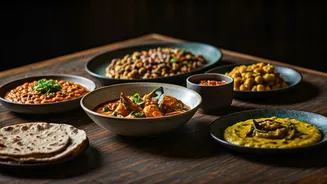
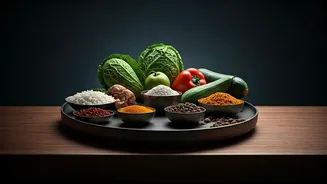
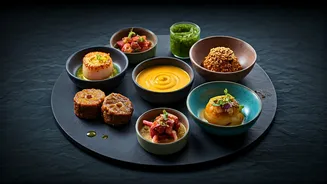
First, let’s appreciate the original. A traditional thali is more than just a meal; it's a masterclass in balance. Served on a round platter (the thali itself), it features a collection of small bowls, or katoris, each holding a different component of the meal.
You’ll typically find a lentil dish (dal), a seasonal vegetable (sabzi), a flatbread (roti or chapati), rice, a yogurt dish (raita), a pickle (achar), and a small dessert. The concept is rooted in Ayurveda, aiming to present the six primary tastes—sweet, sour, salty, bitter, pungent, and astringent—in a single sitting. It’s a complete, harmonious, and deeply satisfying experience. For many Americans, it’s the go-to order when you want “a little bit of everything” without the paralysis of choice. It’s reliable, time-tested, and, for a long time, predictable.
Breaking the Mold, One Katori at a Time
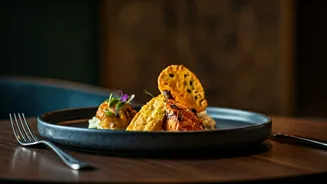
Enter the fusion thali. Instead of sticking to classic regional recipes, chefs are reimagining what can go into those little bowls. This isn’t about sloppy, thoughtless fusion; it's a deliberate and often brilliant reinterpretation of flavors. Imagine a thali where the standard chicken curry is replaced by a tender duck confit in a rich masala. Picture a katori holding a deconstructed samosa with avocado chutney, or a paneer dish prepared with Italian burrata and a truffle-infused oil. At modern Indian restaurants popping up in cities like New York, Chicago, and San Francisco, this is becoming the new normal. Chefs trained in French, Japanese, or modernist kitchens are applying those techniques to the Indian flavor palette. The thali format becomes a perfect showcase—a curated tasting menu that allows diners to experience this new culinary language in manageable, delicious bites.
The Chefs Behind the Creative Shift
This trend isn’t happening in a vacuum. It’s being driven by a confident new generation of Indian chefs in the U.S. who are moving beyond the immigrant-restaurant template of serving only the most familiar, Anglicized dishes like butter chicken and saag paneer. Many are second-generation or have worked in top-tier kitchens around the world. They possess a deep respect for their heritage but aren't afraid to break the rules. They see Indian cuisine not as a static museum piece but as a living, breathing art form. For them, the fusion thali is an expression of their dual identity—a way to honor the flavors of their childhood while speaking a global culinary language. It’s a declaration that Indian food can be playful, experimental, and high-concept, all while retaining its soul.
More Than Just a Fun Experiment
The rise of the fusion thali is significant because it makes adventurous eating less intimidating. A whole entrée of “lamb chop with methi pesto” might sound risky to some, but as one of eight small portions on a thali, it becomes an exciting discovery. It’s a guided tour through a chef’s imagination. This format helps democratize modern Indian cuisine, making it accessible to diners who might otherwise stick to what they know. It also shatters the long-held, reductive perception of Indian food in America as being exclusively cheap, heavy, buffet-style fare. These thalis are often beautifully plated, showcasing high-quality ingredients and sophisticated techniques, repositioning Indian dining as a dynamic and premium experience worthy of a special night out.