




The "Pet-Factor" in Vacation Planning
For years, taking a pet on vacation was a logistical nightmare reserved for the most devoted owners. It meant finding a rare, often rundown motel that tolerated animals, or cramming a crate into the car. Today, that dynamic has been completely upended.
A recent Hilton trends report identified a surge in travelers who not only want to bring their pets but are building their entire itinerary around them. According to travel company Klook, a significant majority of pet owners say their furry friends influence their travel plans, with many admitting they would cancel a trip if they couldn't bring their companion along. This isn't a niche market anymore; it's a driving force in the U.S. travel economy. The decision-making process has shifted from 'Where can we go?' to 'Where can *we* go, including the four-legged family member?'
Beyond a Simple Welcome Mat
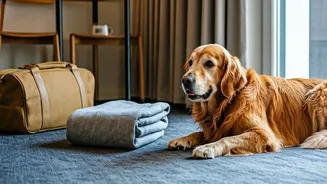
The hospitality industry, ever responsive to consumer demand, has rolled out much more than the welcome mat. The standard has evolved from merely 'pet-tolerant' to actively 'pet-centric.' Luxury hotels now offer bespoke amenities that rival those for their human guests. Think custom-embroidered dog beds, gourmet room-service menus featuring salmon and steak, and curated 'bark-cuterie' boards. Some properties boast dedicated pet concierges who can arrange dog-walking services, pet-sitting, and even 'paw-dicures.' At airport lounges and hotels, 'yappy hours' with complimentary 'puptails' (like chicken-broth cocktails) are becoming common. It's a calculated move: travelers who feel their pets are not just accepted but celebrated are more loyal, stay longer, and spend more. This amenity arms race signals a deep understanding that for these guests, pet comfort is non-negotiable.
Redefining the American Family Trip
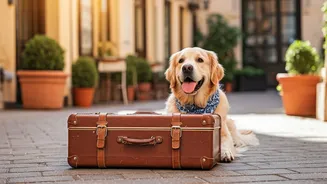
This trend is rooted in a profound cultural shift in how Americans, particularly Millennials and Gen Z, view their pets. As these generations delay or opt out of traditional milestones like marriage and parenthood, pets have been elevated from property to bona fide family members. They are 'fur babies' or 'starter children,' and the emotional bond is powerful. The rise of pet-friendly workplaces and the normalization of remote work during the pandemic only strengthened this connection, making the idea of leaving a pet behind for a week feel unthinkable. This 'pet humanization' means travel is no longer a human-only activity. It’s an experience to be shared. The vacation photos posted on Instagram don't just feature couples on a mountaintop; they feature a Golden Retriever smiling right alongside them. The family vacation now, more often than not, includes everyone with a heartbeat.
A Ripple Effect on How We Move
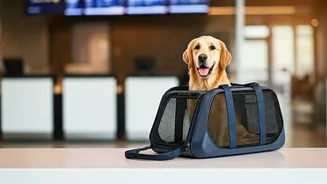
The impact extends far beyond the hotel lobby. Airlines are adapting, with some offering more flexible in-cabin pet policies and improved pet relief areas post-security. Rental car companies are highlighting their pet-friendly fleets. Even destinations themselves are competing for the title of 'most dog-friendly city.' Cities like Austin, San Diego, and Denver actively market their abundance of dog parks, hiking trails, and restaurants with sprawling, pup-friendly patios. App-based services like Rover and Wag! have also made it easier for travelers to find local pet-sitters for a few hours, allowing them to visit a museum or have a formal dinner without leaving their companion alone. This ecosystem of services reinforces the idea that traveling with a pet is not a compromise but an enhancement to the overall experience.