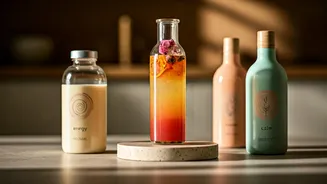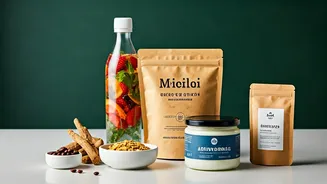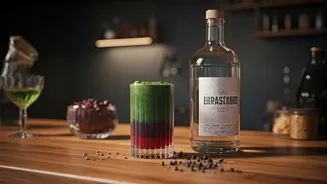


What Exactly Is a Functional Drink?
At its core, a functional beverage is any drink formulated with ingredients that claim to provide a specific health benefit beyond basic nutrition or hydration. Think of it as a drink with a job to do. While coffee gives you a caffeine jolt and orange
juice delivers Vitamin C, the new wave of functional drinks goes a step further. They are engineered solutions for modern ailments, packed with ingredients like adaptogens, nootropics, and probiotics. Unlike traditional sodas or juices, which are often sold on taste and refreshment alone, functional beverages are marketed as tools for self-optimization. The can in your hand isn’t just a thirst-quencher; it’s a productivity hack, a moment of zen, or a boost for your immune system. They sit at the intersection of the wellness industry and the convenience of a grab-and-go drink, transforming the simple act of hydrating into an opportunity for self-care.
Why Are They Everywhere Right Now?
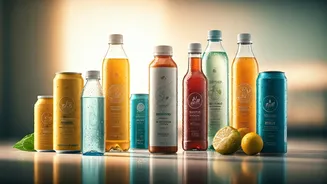
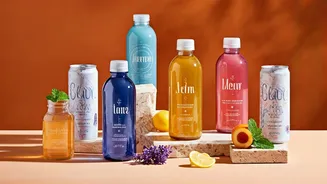
The explosion of functional drinks isn’t an accident; it’s a perfect storm of cultural shifts. First, there's the growing consumer obsession with wellness. More Americans are proactively seeking ways to manage their health, and the idea of a convenient, drinkable solution is incredibly appealing. We’re burned out, stressed out, and looking for an edge. Second, the “sober curious” movement has opened a massive lane for sophisticated, non-alcoholic options that feel special. People still want to hold a fancy-looking can at a social gathering, and a beverage that promises to enhance your mood with ashwagandha instead of alcohol fits the bill perfectly. Brands like Kin Euphorics and Ghia have built entire identities around this. Finally, social media aesthetics play a huge role. These drinks are packaged in beautifully designed cans that are made for Instagram, turning a simple purchase into a lifestyle statement.
A Quick Tour of the Functional Aisle
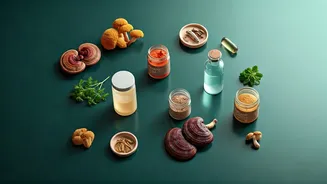
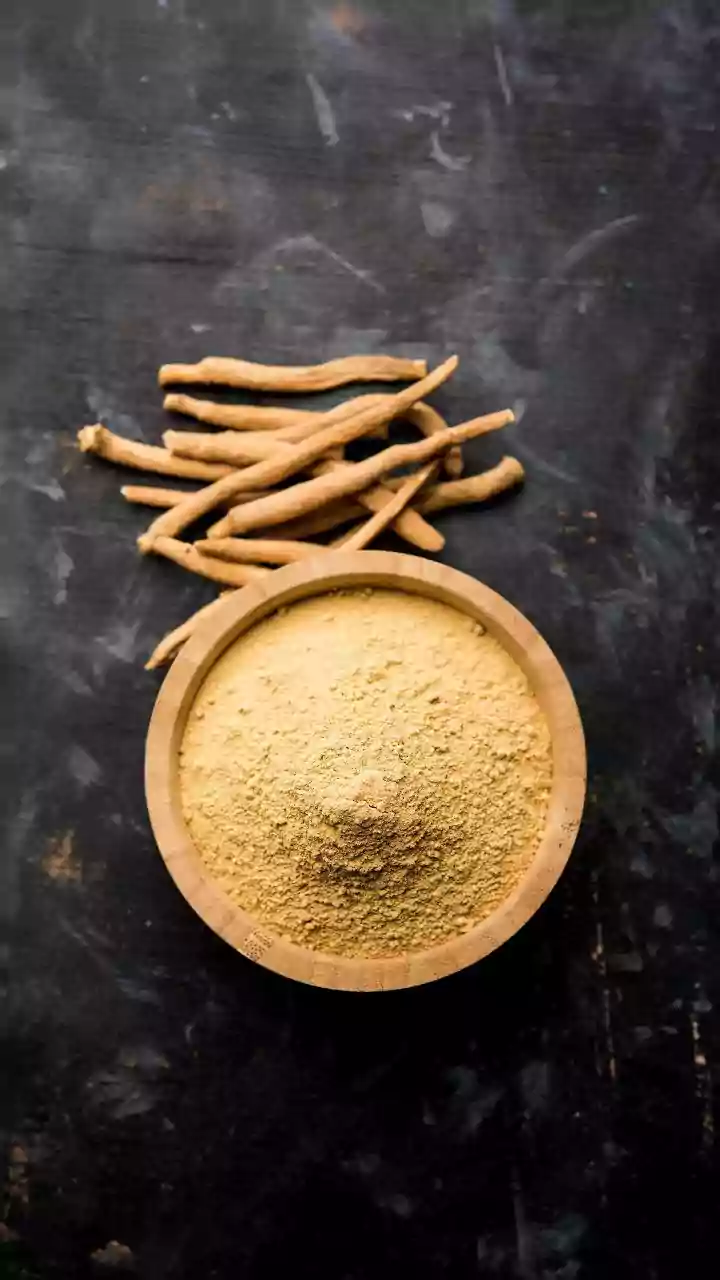
Navigating the options can be overwhelming, but most functional drinks fall into a few key categories based on their promised benefit: **For Focus & Energy:** These are the “brain drinks,” often positioned as a healthier alternative to traditional energy drinks. They’re packed with nootropics—compounds claimed to enhance cognitive function. Common ingredients include L-theanine (an amino acid found in green tea known for promoting calm focus), lion's mane mushroom, and citicoline. Brands like Olipop and Poppi lead this charge. **For Calm & Relaxation:** In a perpetually anxious world, drinks that promise to take the edge off are a huge hit. These beverages are loaded with adaptogens—herbs and mushrooms believed to help the body resist stressors. Look for ingredients like ashwagandha, reishi mushroom, and CBD. Recess has become a poster child for this category with its tagline, “an antidote to modern times.” **For Gut Health:** The gut microbiome is the wellness world’s superstar, and drinks are an easy delivery system. Kombucha was the trailblazer, but now a new class of prebiotic sodas is booming. These drinks contain fiber and other compounds that feed the good bacteria in your gut, promising better digestion and overall health.
But Do They Actually Work?
This is the big question, and the answer is a firm “it’s complicated.” Many of the star ingredients, like L-theanine and ashwagandha, do have some promising scientific research behind them. However, there are a few major caveats. First, the dose matters. The amount of an active ingredient in a single 12-ounce can may not be enough to produce a noticeable effect compared to the dosages used in clinical studies. Second, regulation is loose. The FDA does not vet the health claims on these supplements and beverages as rigorously as it does for pharmaceuticals. Ultimately, experts advise a healthy dose of skepticism. While these drinks are generally safe for most people and can be a fun, healthier alternative to sugary sodas, they are not a magic bullet. No drink can replace the foundational benefits of a balanced diet, regular exercise, and adequate sleep. Think of them as a potential small boost, not a cure-all in a can.