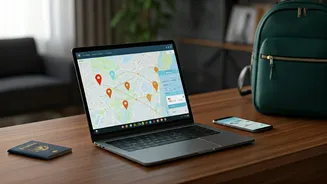









The Old Way: A Digital Scavenger Hunt
Planning a trip, especially to a country as vast and diverse as India, has long been a daunting task. For decades, the process involved either relying on a traditional travel agent or embarking on a frustrating digital scavenger hunt. Travelers would
spend hours, if not days, piecing together an itinerary. This meant juggling websites for flights, trains, hotels, and car rentals, while simultaneously cross-referencing blogs and review sites to find decent restaurants and must-see attractions. For a multi-city trip—say, from the palaces of Rajasthan to the backwaters of Kerala—the logistical complexity could quickly become a part-time job. Every decision, from choosing a hotel near a train station to figuring out the opening hours of a monument, required separate research, creating a massive time sink before the vacation even began.
Enter the AI Itinerary Generator
This is where artificial intelligence is fundamentally changing the equation. A new generation of travel platforms, particularly those gaining traction in India’s tech-savvy market, are replacing the manual process with a simple, conversational interface. Instead of searching for individual components, a user tells the AI their destination, dates, budget, and interests—much like talking to a human travel agent. They can specify their travel style, whether it’s “action-packed,” “family-friendly,” or “a relaxing foodie tour.” In moments, the AI processes these prompts and generates a complete, day-by-day itinerary. It doesn’t just list places; it creates a logical, efficient schedule, complete with recommended travel times between locations, booking links for hotels and transport, and even alternative suggestions if the user wants to make a swap.
Consolidating Dozens of Tasks into One
The “time-saving” aspect of the headline isn’t just hype; it’s a result of massive consolidation. The AI is performing dozens of micro-tasks simultaneously that a human would have to do sequentially. It compares flight prices across multiple airlines, checks hotel availability against the user’s dates, maps out distances between attractions to create a sensible route, and filters everything through the lens of the user's stated preferences. A task that could easily take a dedicated weekend of planning is condensed into a few minutes of interaction with a chatbot or a simple web form. For Indian travelers, who are often planning complex family vacations or extensive domestic tours, this efficiency is a game-changer. Platforms like MakeMyTrip and a host of emerging startups are integrating these AI features, turning the chore of planning into an effortless and even enjoyable part of the travel experience.
Beyond Logistics: The Personalization Promise
But the real leap forward isn't just about speed; it's about personalization at scale. Old-school package tours offered efficiency but little flexibility. AI planners, however, are designed to create bespoke experiences. The underlying algorithms can analyze vast datasets of user reviews, travel patterns, and contextual information to make surprisingly nuanced recommendations. If you mention you're a history buff, it won't just suggest the most famous museum; it might recommend a lesser-known historical walk or a hotel in a heritage building. This technology moves beyond the generic “Top 10” lists that dominate conventional travel guides. It aims to build a trip around the individual, factoring in everything from dietary restrictions to a preference for boutique hotels over large chains, creating a level of customization that was previously only available through high-end, expensive travel concierges.
The Future Is Already Here
While this trend is particularly visible in India's rapidly digitizing economy, it’s a clear signal of where the entire global travel industry is headed. The pain point of travel planning is universal. The appeal of a tool that can instantly translate a vague desire—“a warm beach trip for a week in March under $2,000”—into a fully booked, personalized itinerary is undeniable. There will always be a place for the spontaneous traveler who loves the chaos of discovery, and the human travel agent will likely evolve to handle ultra-complex, high-touch journeys. But for the vast majority of trips, the tedious work of logistics is being automated away. The time saved is not just about efficiency; it's about giving that time back to the traveler to spend on what matters most: anticipating the journey ahead.