






The Echo of the Old Guard
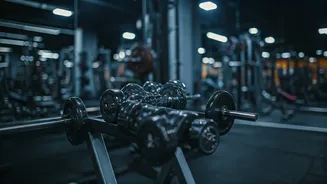
For years, the dominant gym culture in many parts of urban India, including its capital, was straightforward and loud. It was heavily influenced by the traditional bodybuilding ethos, where success was measured in decibels and the sheer size of the weights
being dropped. The goal was aesthetic and visceral: get bigger, get stronger, and make sure everyone knows it. This environment, often overwhelmingly male, prioritized brute force over form, and the soundtrack was a mix of Punjabi rap, clanging iron, and guttural exertions. It was a culture born from aspiration, mirroring the hyper-masculine heroes of Bollywood and the age-old Indian wrestling tradition of the 'akhada,' just transplanted under fluorescent lights and air conditioning.
The Rise of the 'Smart' Set
Today, that sound is being muffled by a new philosophy. The “smarter” gym-goer in Delhi isn't necessarily lifting less, but they are lifting differently. Their focus has shifted from pure hypertrophy (muscle growth) to a more holistic vision of health. This new tribe is armed not with aggression, but with data. They track their heart rate on Apple Watches, analyze their sleep patterns, and discuss their macros with trainers who are increasingly certified in sports science and kinesiology. The new status symbols aren't just bulging biceps, but rather perfect squat form, improved mobility, and a personal best in a 5K. The conversation has changed from “How much do you bench?” to “What’s your recovery protocol?”
The Influencers of Change
Several forces are driving this evolution. First, there's the economic reality of a burgeoning, globally-connected middle and upper-middle class. With more disposable income, these Delhiites are looking for premium experiences that promise not just a workout, but a lifestyle upgrade. This has fueled the explosion of boutique studios specializing in CrossFit, Pilates, spinning, and high-intensity interval training (HIIT). These spaces are often more inclusive and community-oriented. Second is the undeniable influence of social media. While Instagram can promote unrealistic body standards, it has also given a platform to a new generation of fitness influencers who preach technique, consistency, and science-backed methods. They film tutorials on foam rolling and explain the benefits of deload weeks, creating a clientele that walks into the gym more educated and with clearer, more functional goals than ever before.
From Workout to Wellness
This shift is about more than just exercise; it's a recalibration of what wellness means in modern India. The “smarter” approach recognizes that physical health is inextricably linked to mental well-being, nutrition, and rest. The gym is no longer just a place to punish your body into submission, but a 'third space'—after home and work—for self-improvement and community. You're as likely to see a group discussing the benefits of intermittent fasting or comparing meditation apps as you are to see someone attempting a one-rep max. It reflects a deeper cultural current where self-care is no longer seen as an indulgence but a necessity for navigating the pressures of high-stress urban life.