
A Landscape from Another Planet
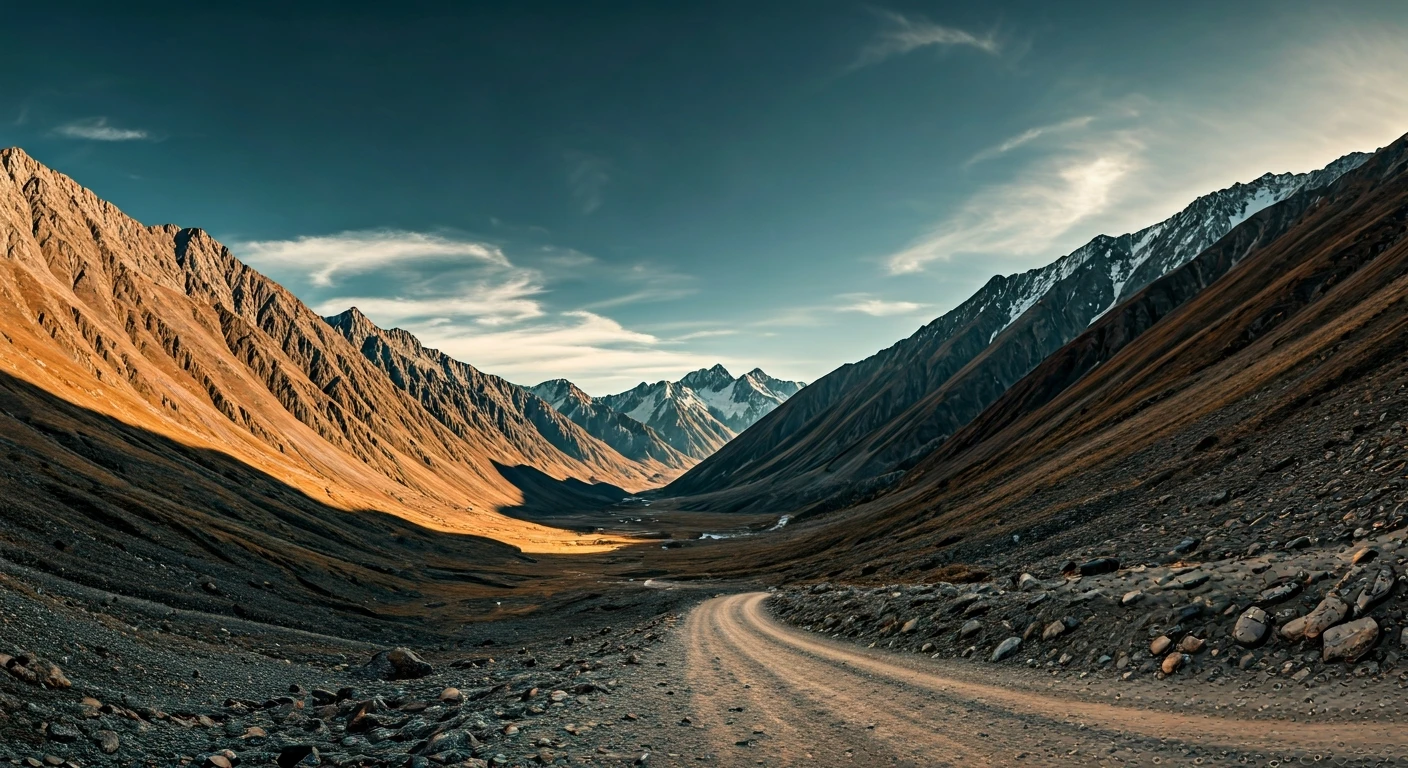
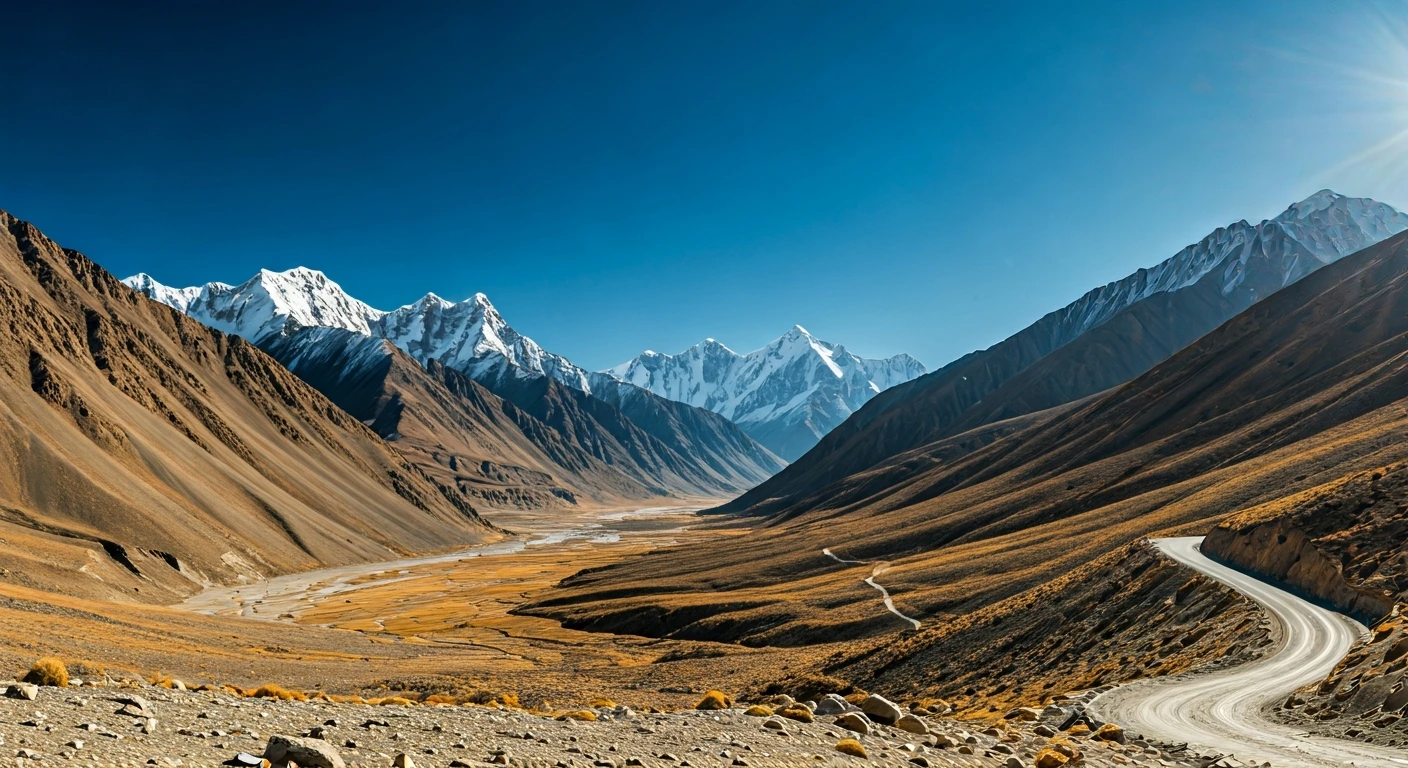
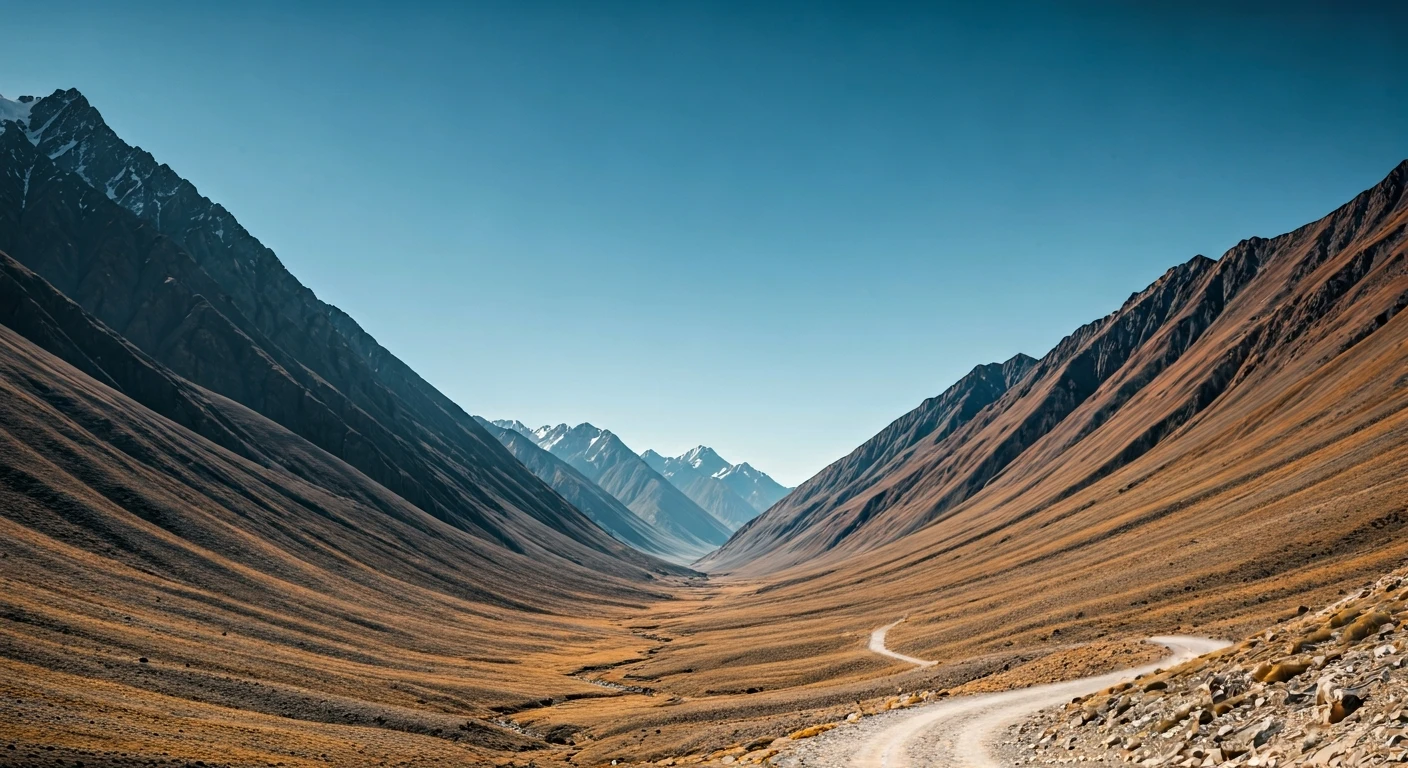
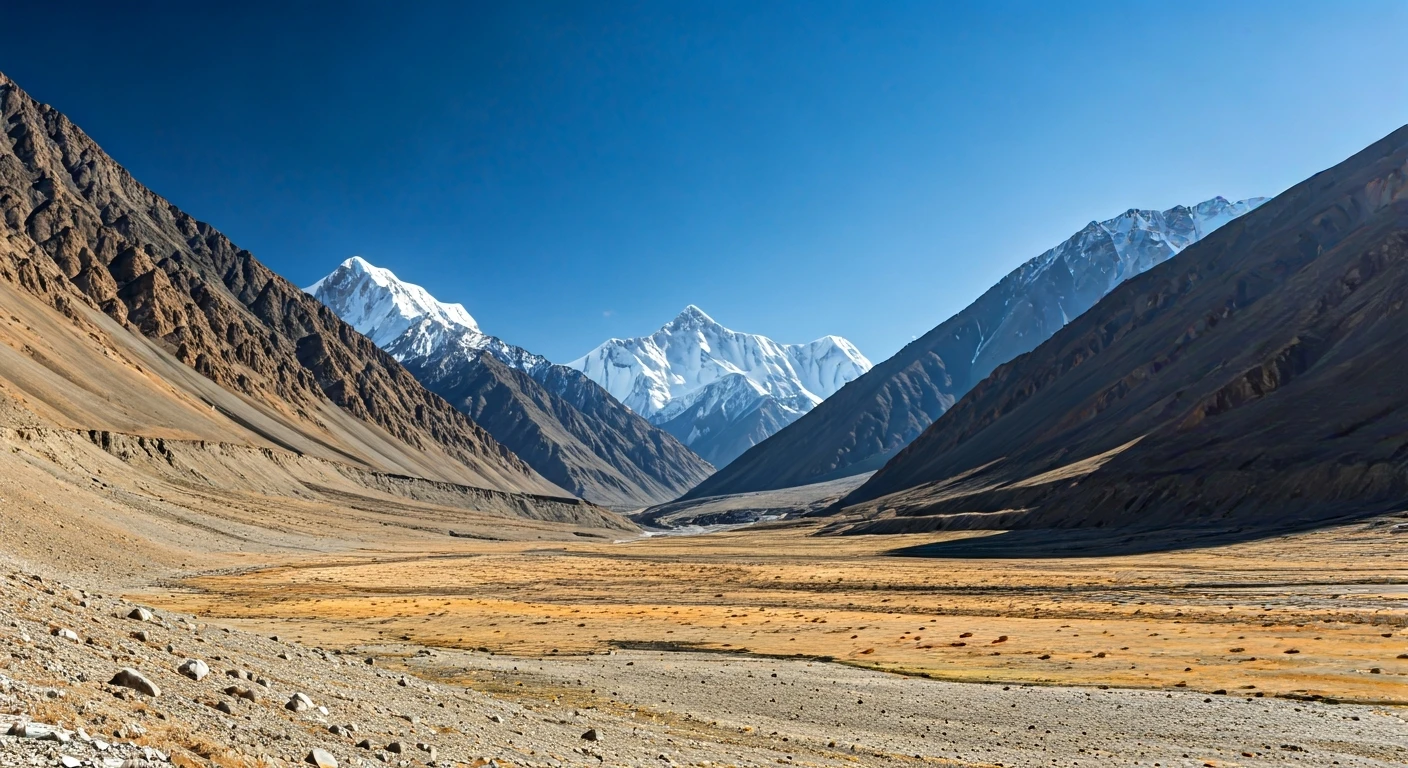
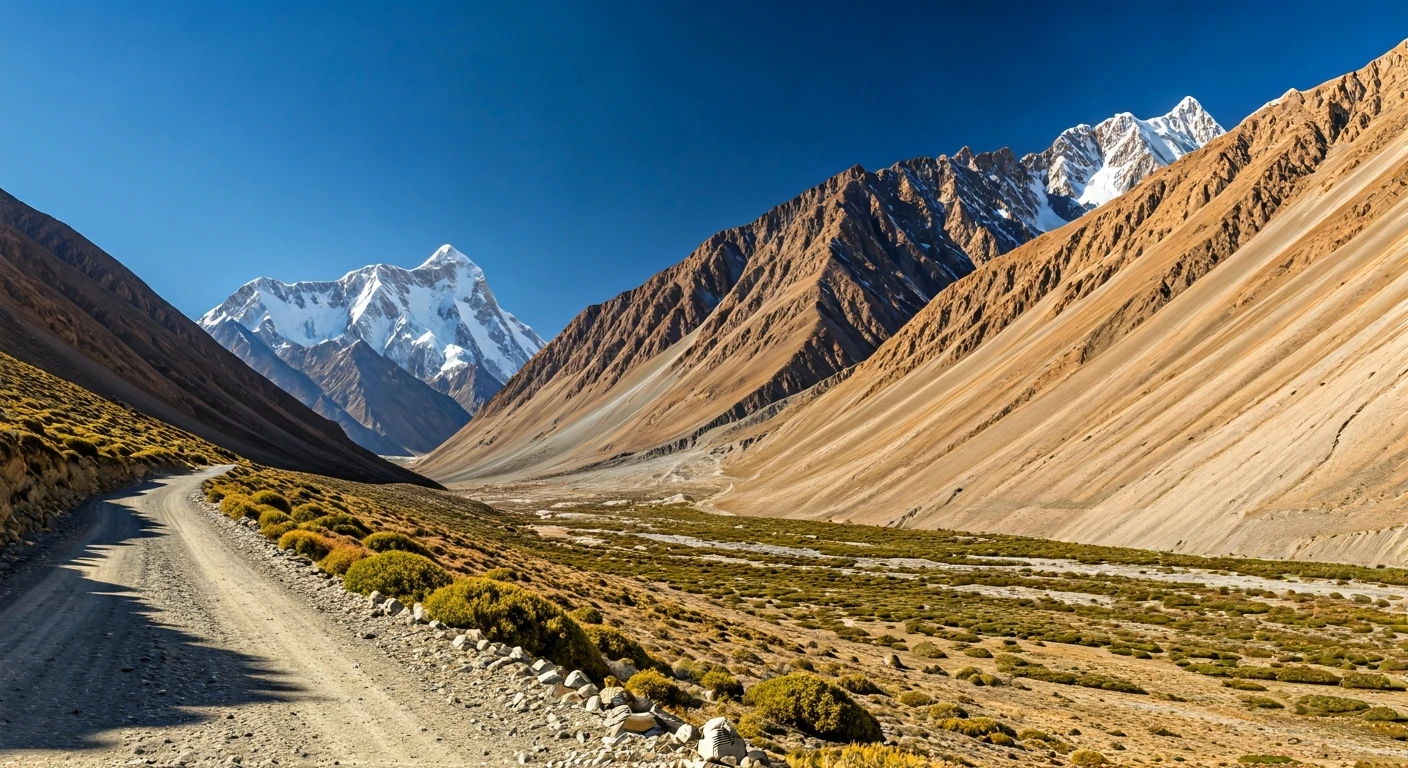
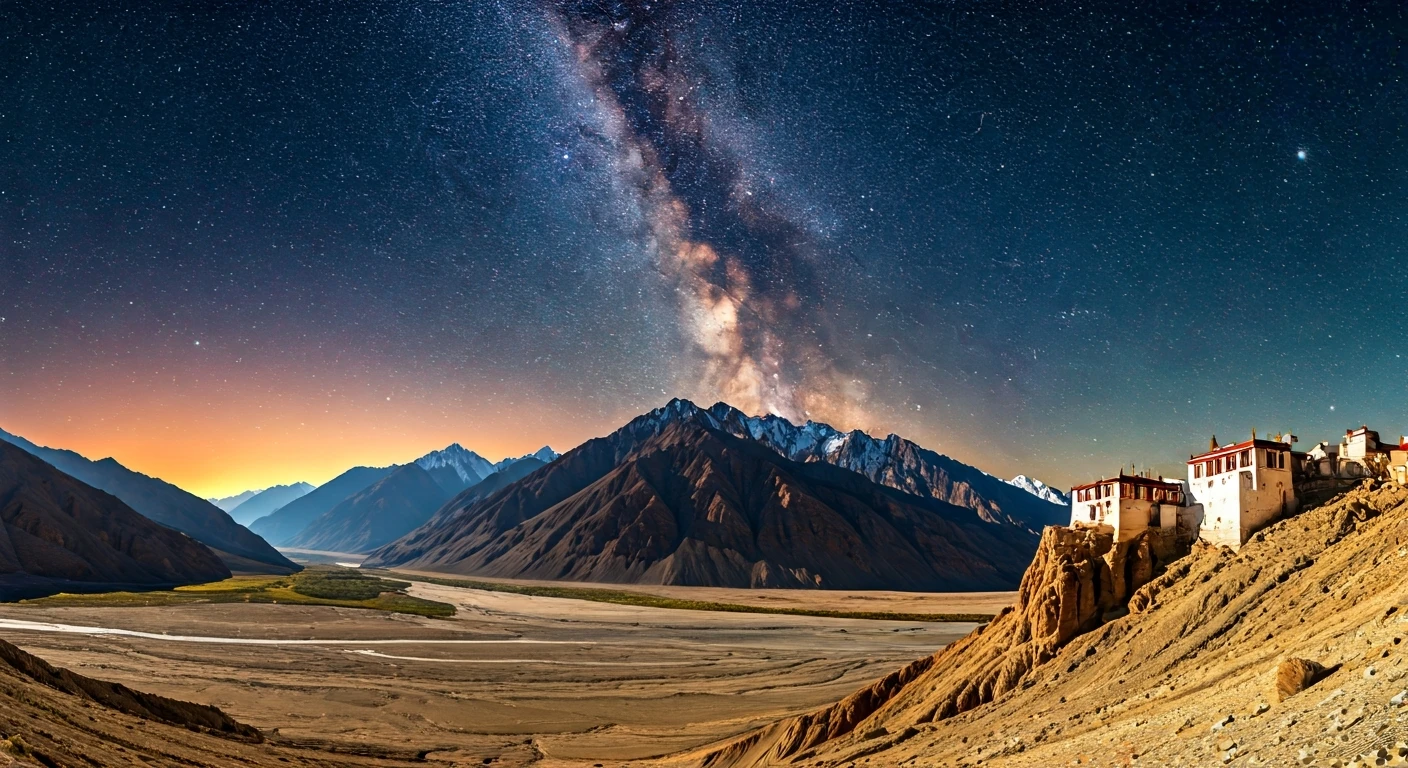
Spiti is not your typical mountain paradise of lush green hills. Located in Himachal Pradesh, a state in northern India, its name translates to "The Middle Land"—the land between Tibet and India. The landscape is a geological masterpiece, a cold desert
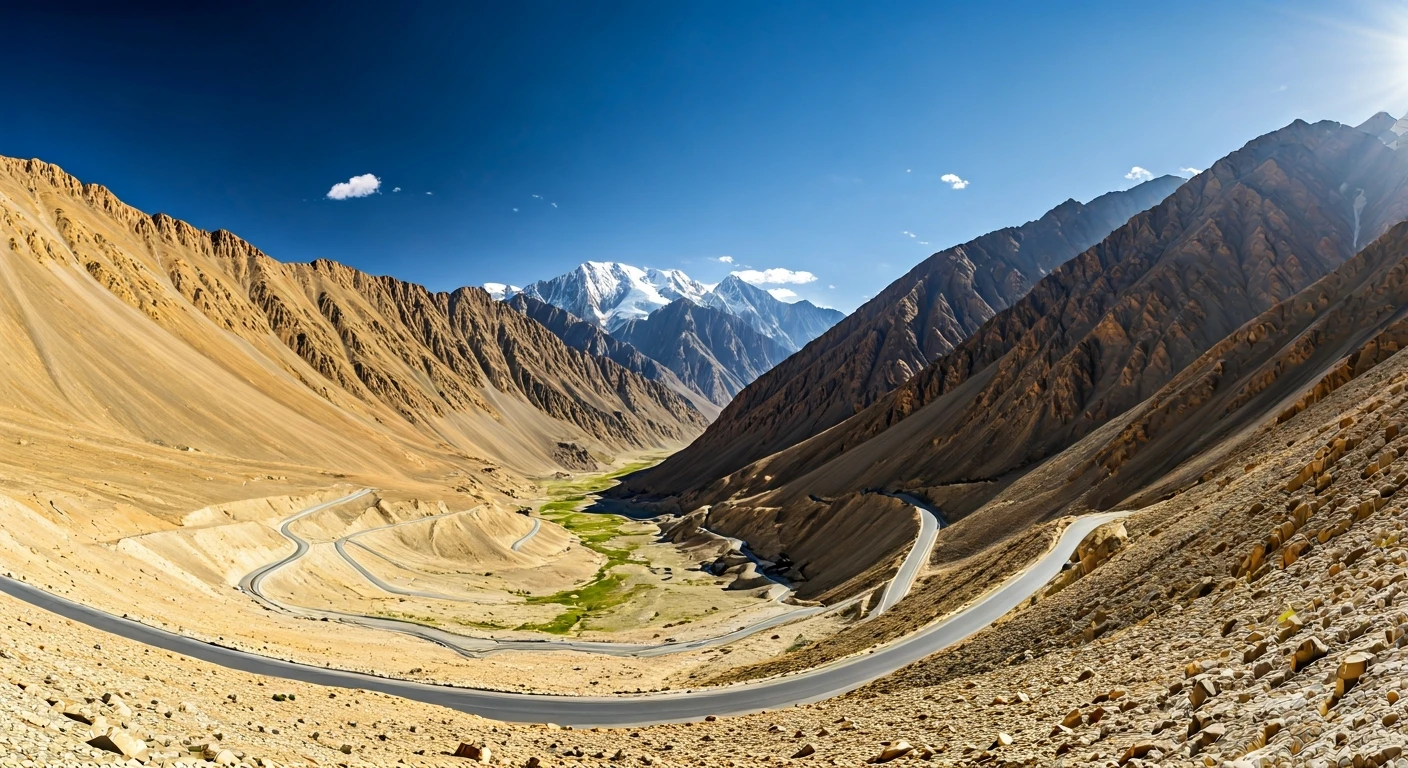
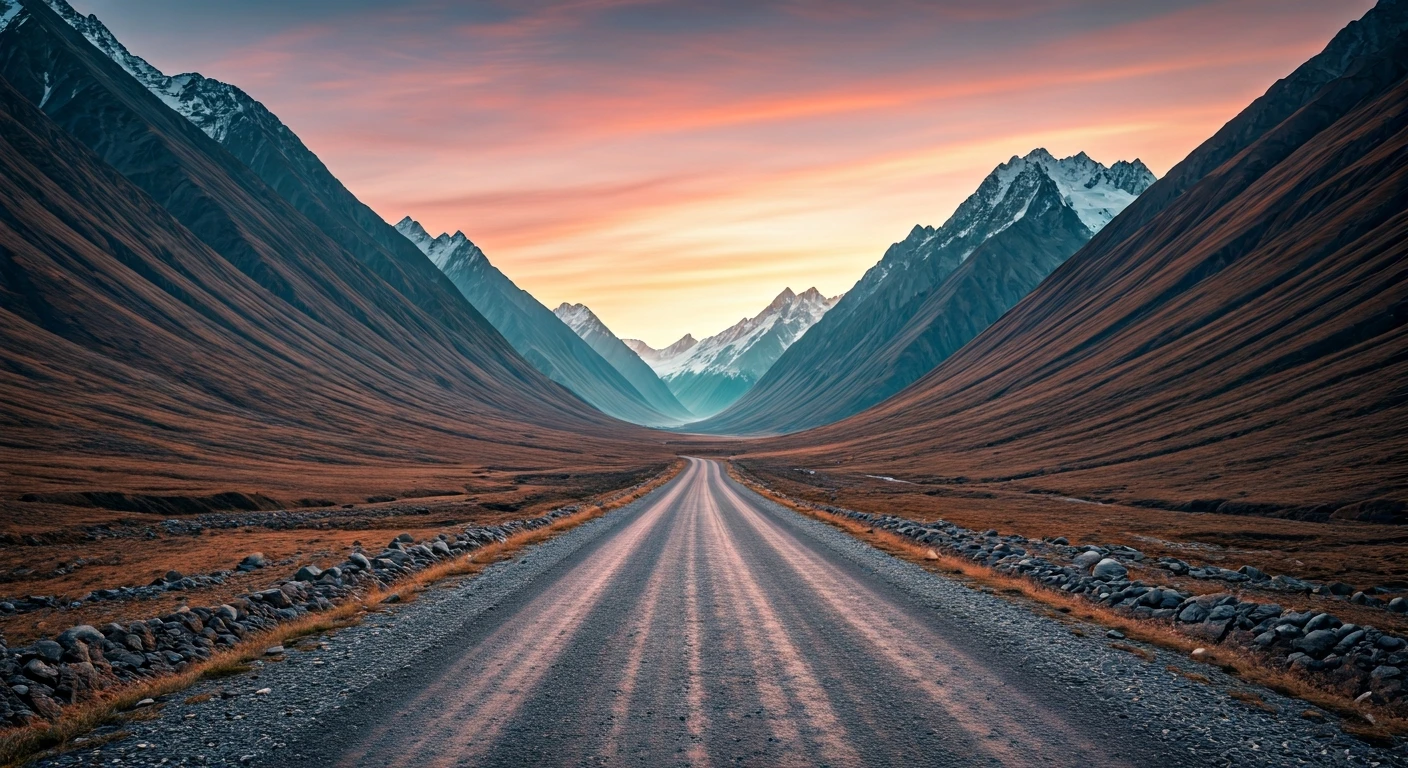
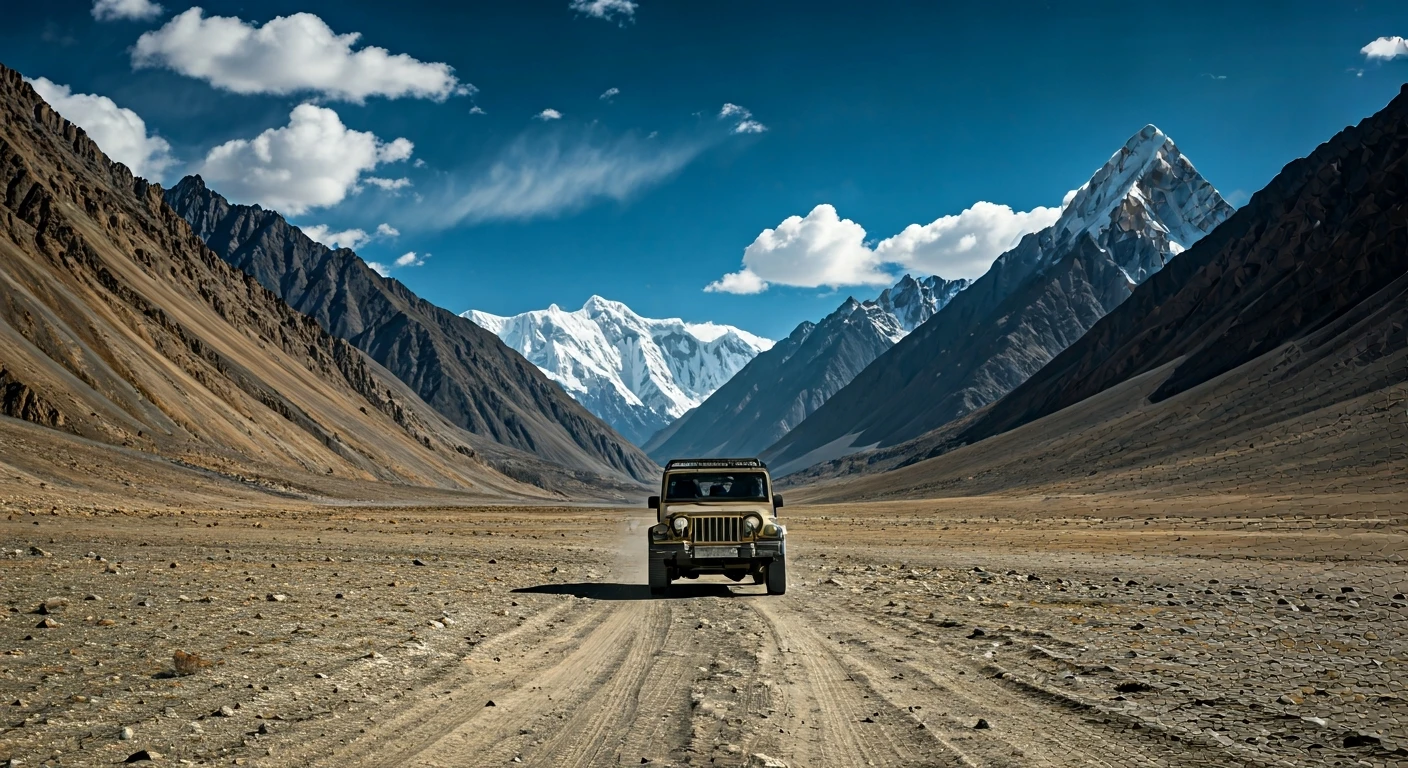
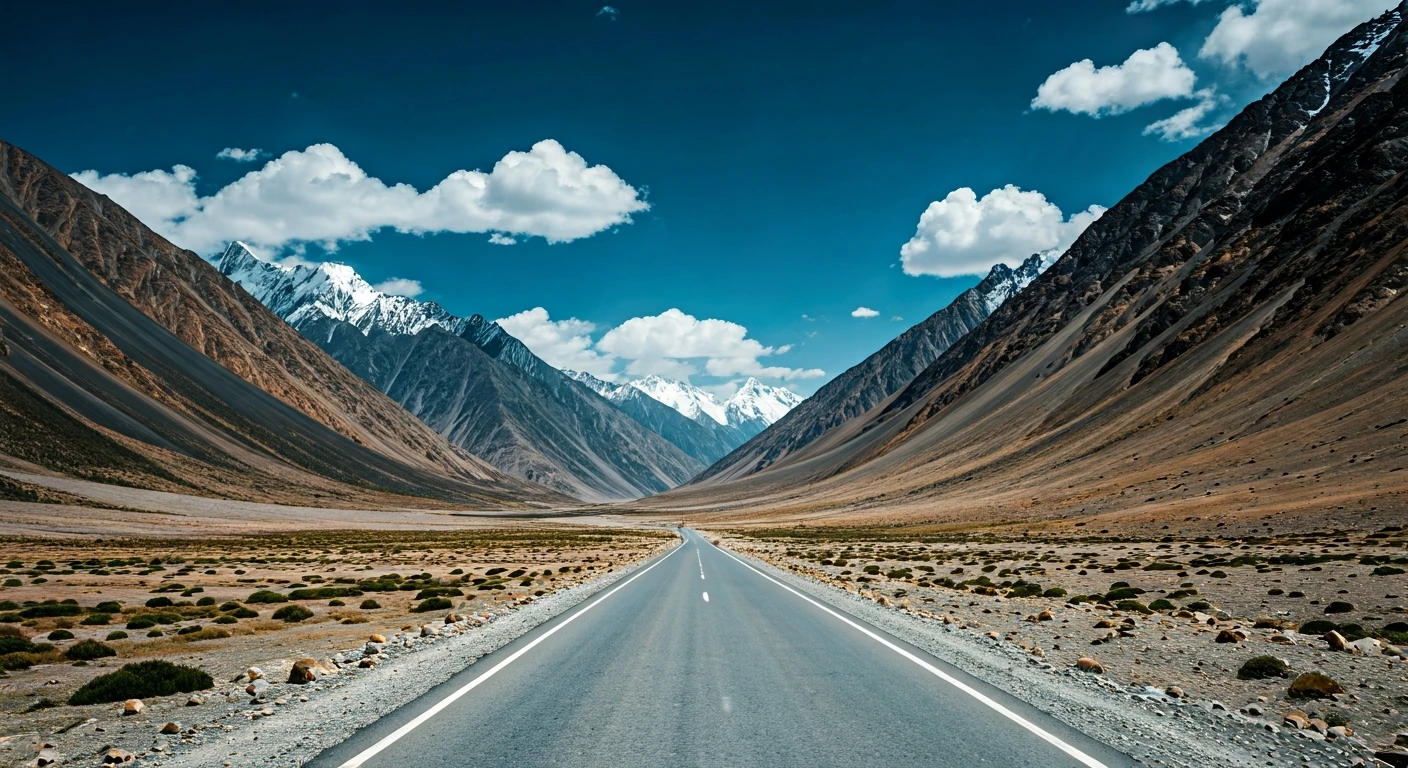
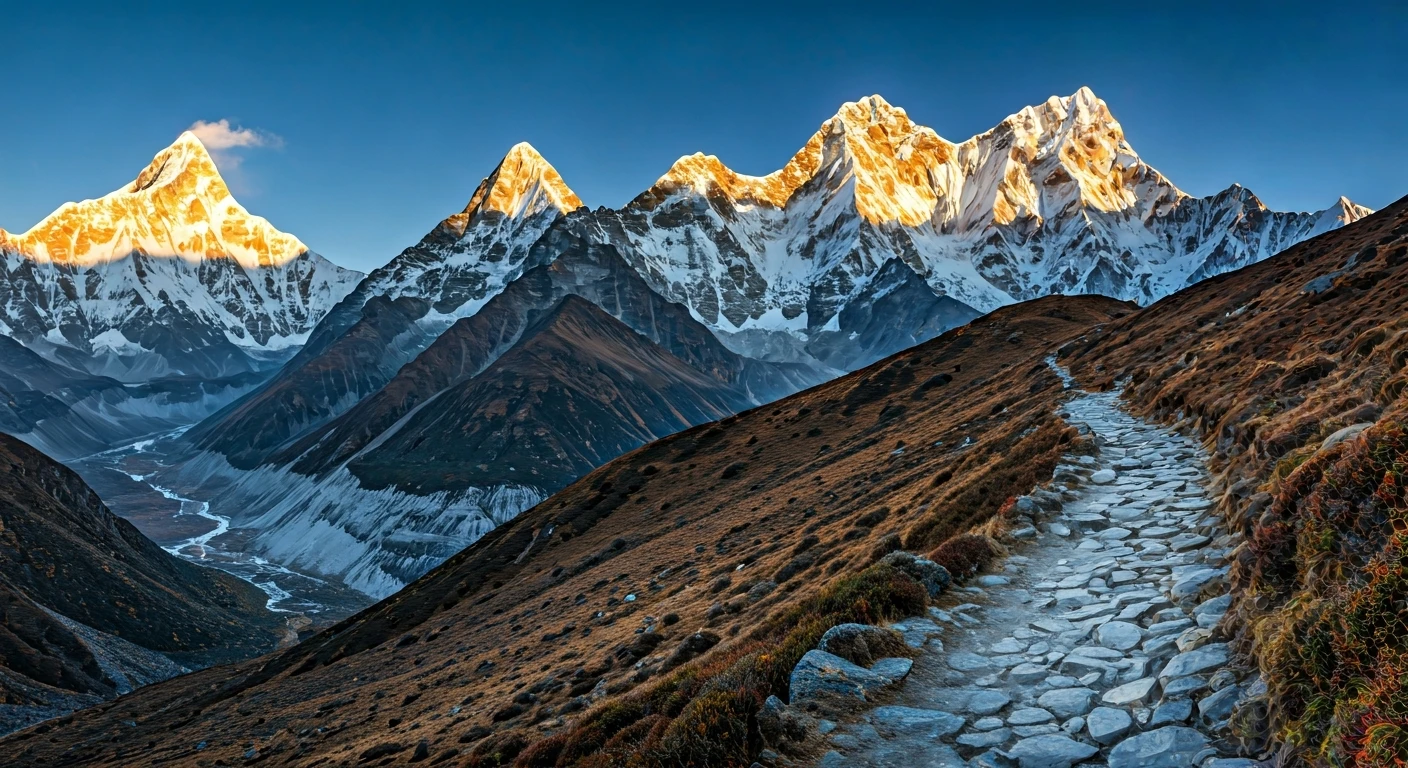
of wind-carved canyons, slate-gray mountains, and shockingly blue skies. The Spiti River slices through the valley floor, a ribbon of turquoise or churning brown depending on the season. There are no forests here, only sparse vegetation clinging to life above 12,000 feet. The starkness is the point. It’s a place that strips away the unnecessary, where the raw power of nature is the main event. Driving through it feels like traversing Mars or the moon, with tiny, white-washed villages appearing like surreal outposts of humanity against the immense, barren backdrop.
The Journey Is the Filter
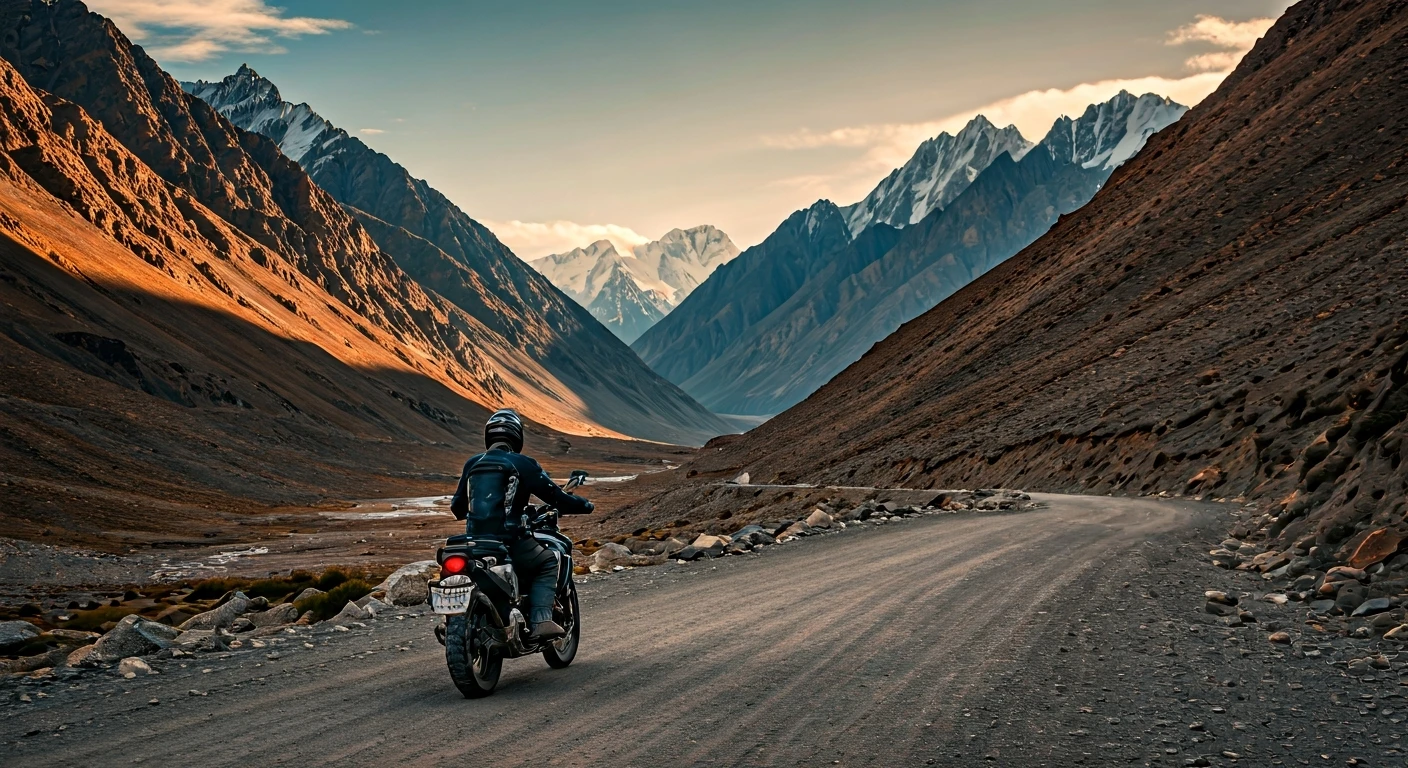
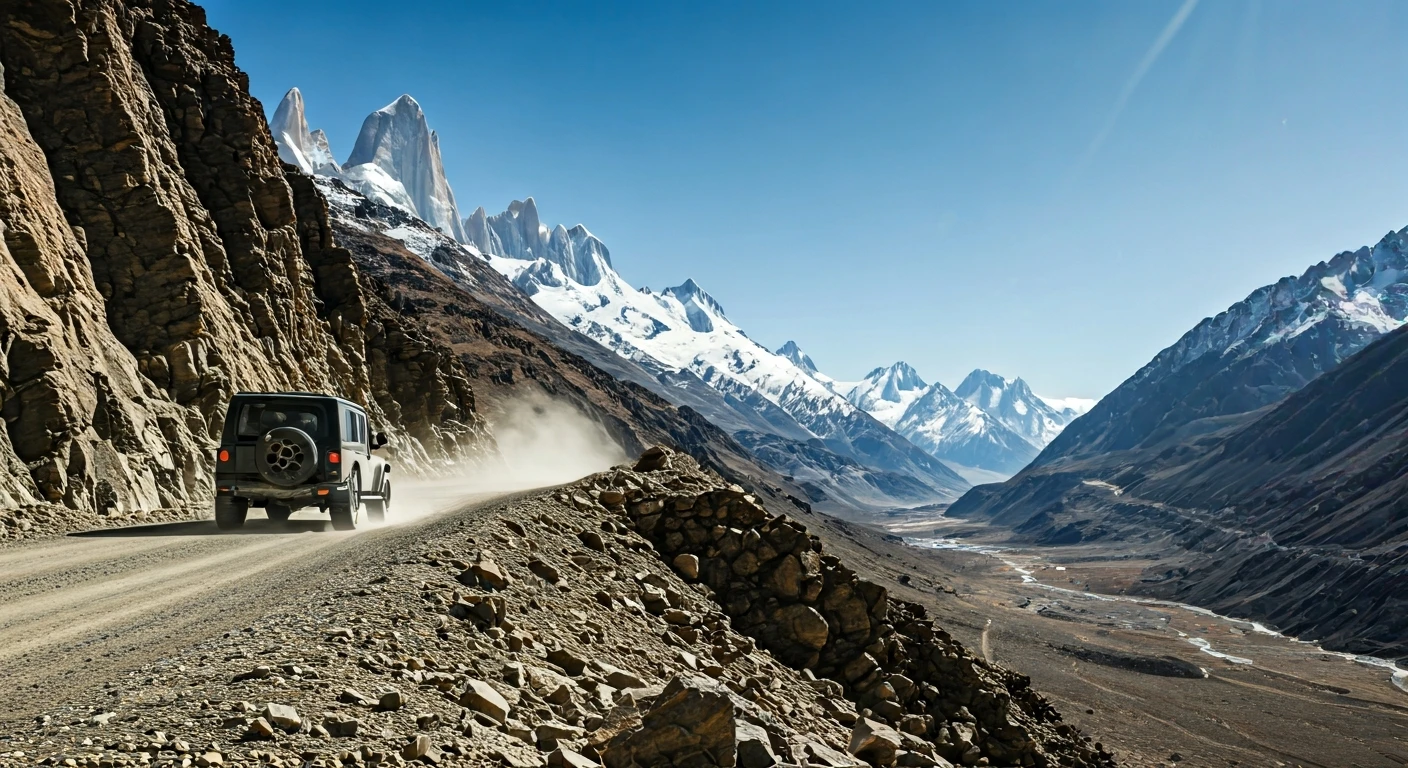
You don't just *decide* to go to Spiti on a whim. Reaching it is a pilgrimage in itself, and that’s a key part of its appeal. The journey acts as a natural filter, weeding out casual tourists and leaving only the truly determined. There are two main routes: one from Shimla, which is longer but open most of the year, and one from Manali via the treacherous Rohtang and Kunzum passes, open only a few months in the summer. Both involve long days in a vehicle, navigating unpaved roads that cling to the sides of cliffs with heart-stopping drops. There’s no airport, no railway. This barrier to entry ensures that the people who make it there really want to be there. It’s a shared rite of passage that connects travelers and fosters a sense of camaraderie you won't find at an all-inclusive resort.
Where Culture Is Carved in Stone
Spiti's isolation has preserved a unique and powerful culture, deeply rooted in Tibetan Buddhism. The valley is dotted with some of the world's oldest and most spectacular monasteries, which seem to grow organically from the clifftops. The most iconic is Key (or Ki) Gompa, a sprawling complex of rooms and corridors that looks like a fortress from a fantasy novel. Then there's Tabo Monastery, a UNESCO World Heritage site known as the "Ajanta of the Himalayas" for its incredible ancient murals. But it’s not just about historical sites. The culture is alive. You’ll see prayer flags fluttering on every pass, hear the hum of monks chanting, and feel a pervasive sense of peace and spirituality. This isn't a performance for tourists; it's the rhythm of daily life.
The 'Cool' Is in the Connection
So what makes it a "cool-kid" escape? It’s not about trendy cafes or boutique hotels—in fact, it's the opposite. The appeal lies in its authenticity and the challenge it presents. Accommodation is basic, often in family-run homestays where you’ll share simple meals of dal, rice, and local vegetables. Wi-Fi is a myth in most places, and electricity can be sporadic. Instead of scrolling through your phone, you’re having conversations with your hosts, playing with village kids, or simply sitting in silence, watching the shadows move across the mountains. The "cool" part is the voluntary disconnect from the modern world and the reconnection to something more fundamental: nature, community, and yourself. It attracts travelers, not tourists—people who are self-reliant, curious, and respectful of the delicate environment and culture they are visiting.