


The Rise of the Roadside Palate
First, let’s define what we mean by “roadside.” It’s a wonderfully broad culinary category that captures the spirit of American food better than most. Think of the regional-specific barbecue shacks dotting the South, the lobster roll stands of New England,
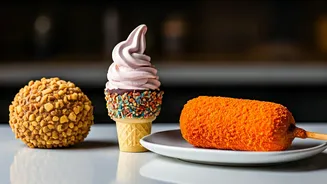
or the countless hot dog carts in any major city. More recently, the term has expanded to include the explosion of gourmet food trucks serving everything from Korean BBQ tacos to artisanal grilled cheese. And, of course, it encompasses the annual, unabashedly indulgent treats of the state fair: funnel cakes, deep-fried everything, and corn on the cob dripping with butter and spices. These foods share a common DNA. They are often unpretentious, highly flavorful, and designed to be eaten on the go. For decades, their appeal was tied to their location and the experience of seeking them out. You couldn’t get a truly great birria taco or a perfectly made elote (Mexican street corn) from a major food brand; you had to go to the source.
From the Street to the Supermarket
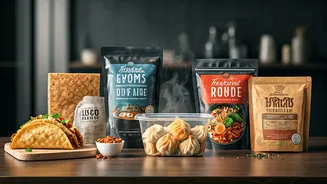
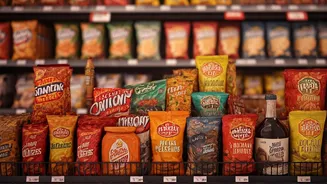
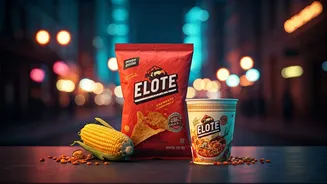
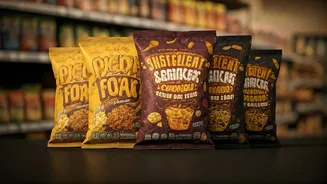
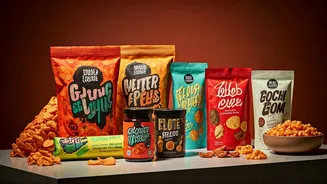
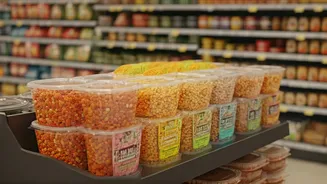
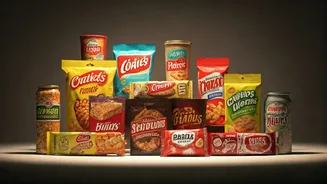
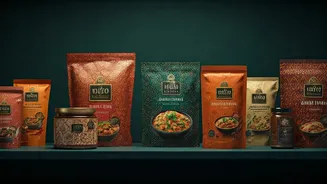
That wall between street food and shelf food is crumbling. Walk through a Trader Joe’s, and you’ll find Birria-Style Shredded Beef in the refrigerated section, a direct nod to the slow-braised, cheesy, and wildly popular tacos that took over social media. In the snack aisle, you’ll see bags of chips flavored like elote, trying to capture the magic of grilled corn slathered in crema, cotija cheese, chili powder, and lime. It’s not just Trader Joe’s. Brands like General Mills, Frito-Lay, and countless smaller startups are racing to translate these vibrant, hyper-regional, and experience-driven flavors into products you can enjoy at home with minimal effort. This is the great flavor migration: a one-way ticket from the roadside stand to the corporate test kitchen.
Why Is This Happening Now?
Several cultural currents converged to make this trend inevitable. The first was the food truck revolution of the 2010s, which elevated street food from a cheap, quick bite to a legitimate culinary art form. Chefs used trucks as mobile laboratories, creating devoted followings for unique and high-quality dishes. Then came social media. Platforms like Instagram and TikTok are powerful engines for food trends. A visually appealing, shareable dish like a birria taco—with its signature red consomé for dipping—isn't just food; it's content. A dish can go from a local specialty to a national obsession in a matter of weeks, creating a massive, ready-made audience that food companies can’t ignore. Finally, the pandemic accelerated our desire for both comfort and culinary adventure at home. We wanted exciting new tastes without the fuss or risk.
The Convenience Calculation
For brands, this is a golden opportunity. Instead of spending millions trying to invent a new flavor profile and convince consumers to try it, they can tap into a flavor that already has a proven, passionate fan base. The market research has been done for them by a thousand independent food truck operators and a million TikTok videos. The challenge, however, is immense. How do you translate the complex, multi-sensory experience of a fresh-off-the-grill dish into a shelf-stable chip seasoning, a frozen entree, or a jar of sauce? It’s a process of deconstruction and approximation. A product development team might isolate the key flavor notes of elote—charred corn, tangy lime, creamy dairy, smoky chili—and try to replicate them with powders and flavorings. They are solving for convenience, shelf stability, and mass production, which are often at odds with the very things that make the original food great: freshness, texture, and handcrafted imperfection.
Is Something Lost in Translation?
Inevitably, yes. A street corn-flavored potato chip is not a substitute for biting into a juicy, messy ear of corn on a hot summer day. A frozen birria bowl can’t replicate the joy of dipping a greasy, crispy taco into a steaming cup of broth. But perhaps that isn't the point. These products aren’t meant to replace the original experience but to evoke it. They offer a taste of the adventure, a convenient homage to a beloved flavor, accessible on a Tuesday night when you don’t have the time or energy to track down the perfect food truck. They are a flavor memory in a convenient package. While a purist might scoff, the success of these products shows that for many Americans, a little taste of the roadside, even a simplified one, is better than none at all.