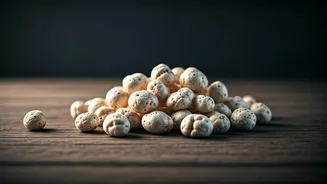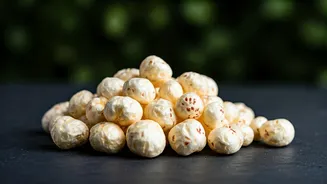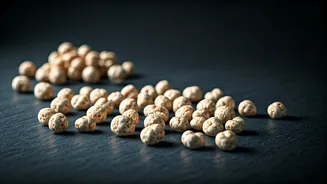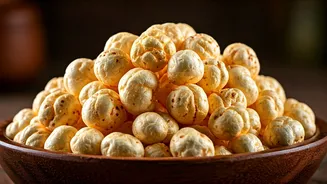

So, What Is Makhana?
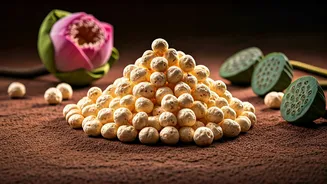
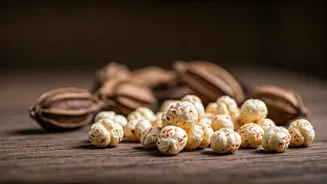
First, let's clear up what it isn't. Despite being called fox nuts or lotus seeds, makhana is neither. It's the puffy, popcorn-like seed of the prickly water lily (Euryale ferox), an aquatic plant native to the stagnant wetlands of Eastern Asia. For centuries,
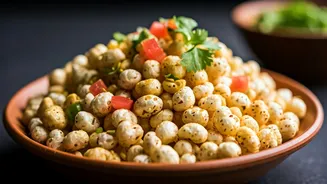
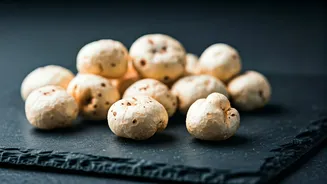
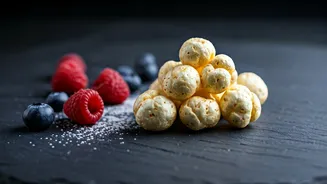
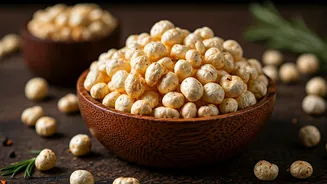
the seeds have been harvested, dried, and roasted over high heat until they burst, much like corn kernels. The result is an airy, crunchy, and remarkably neutral-flavored puff. The texture is somewhere between a cheese puff and popcorn, but without the pesky kernel getting stuck in your teeth. This blank-canvas quality makes it perfect for absorbing flavors, from a simple sprinkle of salt to more complex spice blends.
A Humble Health Powerhouse
The primary driver of makhana's recent surge in popularity is its impressive nutritional profile. In a world dominated by fried potato chips and butter-drenched popcorn, makhana offers a genuinely guilt-free alternative. It's naturally low in calories and fat, gluten-free, and rich in essential minerals like magnesium, which is crucial for muscle and nerve function. It also boasts a decent amount of plant-based protein and fiber, helping you feel full longer. Unlike many processed snacks, makhana is an ancient food, rooted in Ayurvedic traditions where it's valued for its wholesome properties. It’s the kind of snack that delivers a satisfying crunch without the subsequent energy crash or regret.
From Ritual Food to Pantry Staple
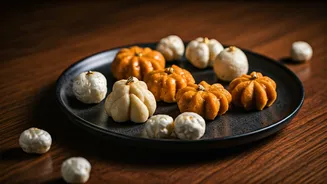
For generations in India, particularly in the state of Bihar where most of it is harvested, makhana wasn’t a trendy health food. It was a humble, everyday ingredient. Known as 'phool makhana,' it was primarily used as a food for religious fasting (vrat), when grains are forbidden. It was also gently roasted in ghee and given to children as a light snack, or cooked into rich curries and decadent desserts like kheer (a type of rice pudding). It was nutritious and respected, but it certainly wasn't glamorous. It was the food of tradition, often prepared simply at home, far from the polished packaging of the global wellness industry.
The Diaspora-Led Glow-Up
The headline's claim that makhana is making snacking feel 'Desi' again points to its modern transformation. 'Desi' is a colloquial term used by people from the Indian subcontinent to refer to themselves and their culture. For many Indian-Americans, makhana was something their mothers or grandmothers made. But a new generation of South Asian entrepreneurs saw its potential. They took this familiar, wholesome food and gave it a 21st-century glow-up. By packaging it in sleek bags, branding it as a superfood, and introducing contemporary flavors like Himalayan Pink Salt, Turmeric & Olive Oil, and Spicy Chili, they made it accessible and appealing to a Western market. More importantly, they made it cool for a new generation of the diaspora. It became a product that says, 'Yes, I'm health-conscious, but I'm also connected to my roots.' It’s a delicious, tangible link to heritage, found in the snack aisle at Whole Foods.