



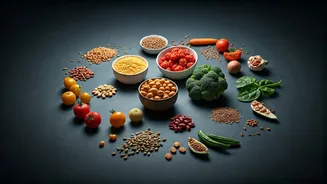

So, What Is 'Hormone-Smart' Eating?
At its core, hormone-smart eating isn't one specific diet but an approach to nutrition that aims to support your body's endocrine system. Your hormones—like estrogen, progesterone, cortisol, and insulin—are chemical messengers that regulate everything
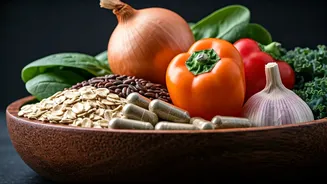
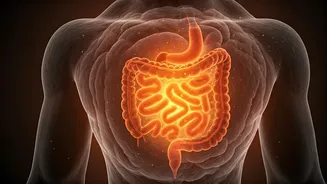
from your mood and energy levels to your metabolism and reproductive cycle. The idea is that the foods you eat can either help or hinder these crucial functions. Instead of focusing solely on calories, this trend emphasizes consuming nutrient-dense foods that provide the building blocks for hormone production and regulation. It's about blood sugar balance, gut health, and reducing inflammation, all of which have a direct impact on your hormonal equilibrium. For many, it's a welcome shift from punishing diet culture toward a more intuitive, supportive way of eating.
Why Is This Trend Everywhere Right Now?
The boom in hormone-focused wellness is a direct response to a few cultural shifts. Firstly, there’s a growing frustration with one-size-fits-all health advice, especially for women, whose hormonal fluctuations have historically been overlooked in medical research and general wellness guidance. Secondly, after years of restrictive diets, people are craving a more holistic and less punishing way to feel good. Hormone-smart eating offers a framework for understanding your body’s signals—like cravings, energy slumps, and mood swings—as information rather than a failure of willpower. Finally, influencers on platforms like TikTok and Instagram have demystified complex topics like the menstrual cycle, making concepts like “cycle syncing” feel accessible and empowering for a new generation.
The Undisputed Basics of Hormonal Health
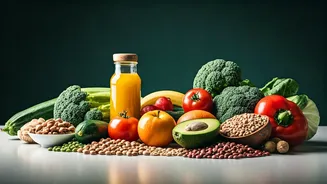
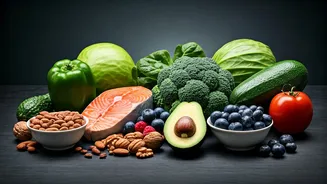
Before diving into cycle-specifics, it’s important to know that the foundation of any hormone-supportive diet rests on well-established nutritional principles. These are the non-negotiables that nearly every expert agrees on. First, prioritize fiber from sources like vegetables, fruits, and whole grains. Fiber helps manage blood sugar spikes and supports the healthy elimination of excess hormones. Second, embrace healthy fats found in avocados, nuts, seeds, and olive oil; your body literally cannot produce certain hormones without them. Third, ensure adequate protein intake. Amino acids are essential for everything from building muscle to creating neurotransmitters that affect your mood. Finally, focus on micronutrients from leafy greens and colorful veggies, which help combat inflammation—a major disruptor of hormonal balance.
A Look at 'Cycle Syncing' Your Plate
One of the most popular facets of hormone-smart eating is “cycle syncing,” which involves tailoring your diet to the four phases of the menstrual cycle. While robust scientific evidence is still emerging, the theory is compelling for many. 1. Menstrual Phase (Days 1-5): As estrogen and progesterone drop, the focus is on comfort and replenishment. Proponents suggest iron-rich foods like leafy greens and lean red meat to counteract blood loss, plus anti-inflammatory foods like ginger and turmeric. 2. Follicular Phase (Days 6-14): Estrogen begins to rise, boosting energy. Lighter, fresh foods are recommended, like lean proteins, fresh vegetables, and fermented foods like kimchi or yogurt to support the gut. 3. Ovulatory Phase (Around Day 14): Estrogen peaks. This is the time to load up on fiber and antioxidants to help the liver process hormones efficiently. Think cruciferous vegetables like broccoli and cauliflower, and lots of berries. 4. Luteal Phase (Days 15-28): Progesterone rises, which can sometimes bring on PMS symptoms like cravings and bloating. The advice here is to focus on foods that stabilize blood sugar, like complex carbs (sweet potatoes, quinoa) and magnesium-rich foods (dark chocolate, seeds) to help with mood and relaxation.
A Simple, Stress-Free Way to Start
Feeling overwhelmed? You don’t have to overhaul your entire life overnight. Start small. The easiest first step is to focus on blood sugar balance. Try to include a source of protein, healthy fat, and fiber in every meal. This simple combination slows down digestion and prevents the dramatic energy spikes and crashes that can throw your cortisol and insulin levels out of whack. For example, instead of just a piece of toast for breakfast, have it with avocado and an egg. Another gentle approach is simply to track your energy and mood throughout the month without judgment. Noticing your personal patterns is the first step toward understanding what your body might need, whether it's more rest or a different type of nourishment.