

So, What Exactly Is Makhana?
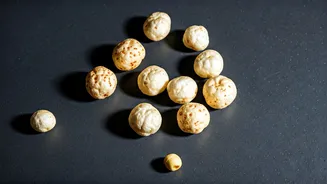
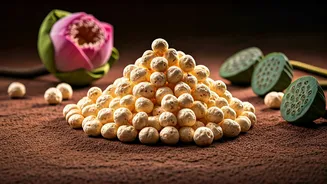
Before you try to find it in the nut aisle, let's clear one thing up: makhana isn't a nut. Also known as fox nuts or gorgon nuts, makhana are the popped seeds of the water lily plant. Harvested from the beds of ponds and wetlands primarily in India, the seeds are dried
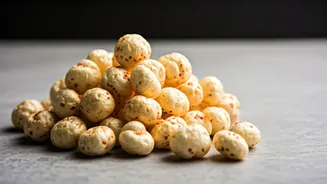
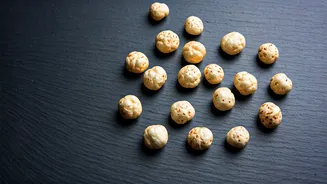
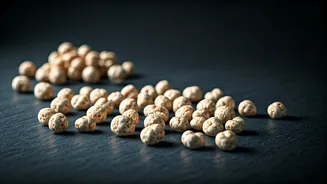
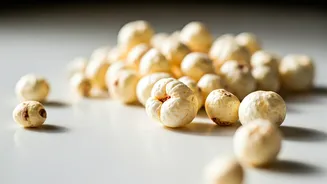
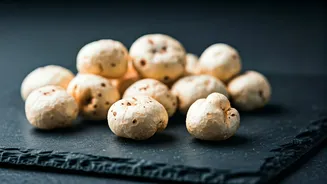
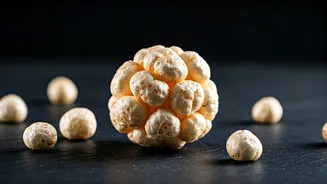
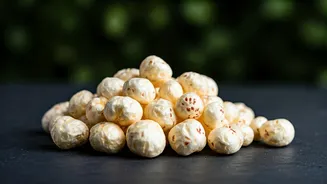
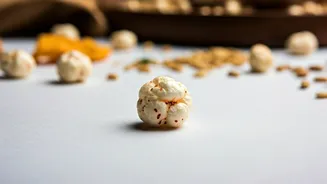
and then roasted at a high heat until they pop, much like popcorn. The result is a wonderfully light, airy, and crunchy puff with an irregular, roundish shape. Visually, they look like a rustic, off-white cousin to a cheese puff, but their texture is firmer and their origin story is far more interesting. They have no kernel, so you won't get anything stuck in your teeth, a small but significant victory in the world of snacking.
An Ancient Snack’s Modern Moment
While makhana might seem like a brand-new invention to most Americans, it’s a snack with a history stretching back centuries in South Asia. In India, it's a staple in Ayurvedic practices, revered for its nutritional properties, and often consumed during religious fasting periods when grains are avoided. So why is it having its moment in the U.S. right now? It's the perfect storm of wellness trends. As consumers increasingly seek out snacks that are plant-based, gluten-free, and minimally processed, makhana checks all the boxes. It’s not a product of food science wizardry; it's an ancient, whole food that just happens to fit perfectly into the modern American pantry. Its novelty in the West, combined with its authentic, centuries-old roots, gives it a unique appeal.
The Popcorn Comparison
For many, the easiest entry point to understanding makhana is to compare it to popcorn, the reigning king of puffed snacks. Both are light, crunchy, and serve as excellent canvases for a wide array of flavors. But the similarities largely end there. Nutritionally, makhana is often touted for being a good source of protein, magnesium, and potassium. Because it’s a seed, not a grain from corn, it’s a natural fit for those avoiding corn products. Proponents say it's more satisfying than popcorn, leaving you feeling full without the heaviness. While popcorn will always have its place on movie night, makhana is positioning itself as the more mindful, nutrient-dense alternative for everyday munching.
What Does It Taste Like?
On its own, a plain, unseasoned piece of makhana is incredibly neutral. The taste is subtly earthy and mild, a blank slate waiting for inspiration. This is its greatest strength. The texture is the main event—a satisfying, styrofoam-like crunch that gives way to a quick melt in your mouth. Because the flavor is so understated, makhana is a flavor chameleon. Snack companies have seized on this, releasing versions dusted with everything from Himalayan pink salt and turmeric to spicy chili lime and vegan cheddar. At home, you can easily roast them in a pan with a bit of ghee or coconut oil and toss them with your favorite spices, from curry powder and paprika to cinnamon and sugar for a sweet treat.
Where to Find Your Fix
Just a few years ago, you would have needed to visit an Indian grocery store to find makhana. Today, it’s easier than ever. A handful of forward-thinking brands, such as AshaPops and Bohana, have brought packaged and flavored makhana to the mainstream U.S. market. You can now find them in the snack aisle at major retailers like Whole Foods and Sprouts, as well as online on platforms like Amazon and Thrive Market. Whether you buy a pre-seasoned bag or a bulk package of plain puffs to flavor yourself, you’re just a few clicks or a short drive away from trying the crunchy snack that’s been hiding in plain sight for centuries.