




The 'Leave Sanctioned?' Problem
In many American offices, Paid Time Off (PTO) is a straightforward transaction. You have the days, you book them, you go. But in much of corporate India, the process is layered with unwritten cultural rules. Requesting leave can feel less like an entitlement
and more like a plea for a favor, sparking what’s colloquially known as “leave drama.” This involves navigating a manager’s potential guilt-tripping, justifying the need for a break, and worrying that taking time off signals a lack of commitment. It’s a holdover from a work culture where long hours and unwavering availability were badges of honor. For India’s massive and growing workforce of Millennials and Gen Z, this model is fundamentally broken. Raised on a diet of global internet culture and a greater awareness of mental health and burnout, they see work as a component of life, not its entire purpose. They are unwilling to sacrifice their well-being for a corporate culture that views a week-long trek in the Himalayas as an act of professional betrayal. The result is a quiet rebellion, not against work itself, but against the bureaucracy and emotional toll of simply trying to take a break.
Rise of the Micro-Escape
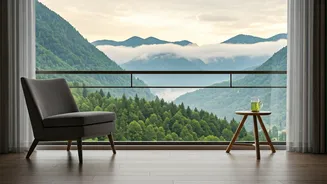
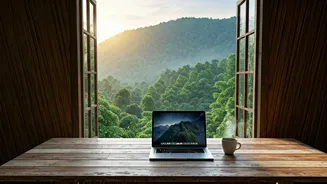
So how do you get your dose of nature without triggering an HR incident? You get creative. Instead of planning one big, contentious two-week vacation, young Indians are mastering the art of the micro-escape. This movement is built on maximizing every possible opportunity for a short, rejuvenating trip that flies under the corporate radar. Long weekends are the primary currency. A national holiday on a Friday or Monday becomes a golden ticket for a three-day trip to nearby mountains or coastal towns. Another popular strategy is the “workcation”—working remotely not from a cramped city apartment, but from a serene homestay in the hills of Himachal Pradesh or the backwaters of Kerala. The pandemic normalized remote work, and while many companies have pushed for a return to the office, the genie is out of the bottle. Employees are now leveraging this flexibility, proving they can be productive from anywhere, especially when “anywhere” has a mountain view. This approach cleverly sidesteps the approval process entirely; if you’re still online and hitting deadlines, the 'leave' conversation never has to happen.
Driven by Burnout and Instagram
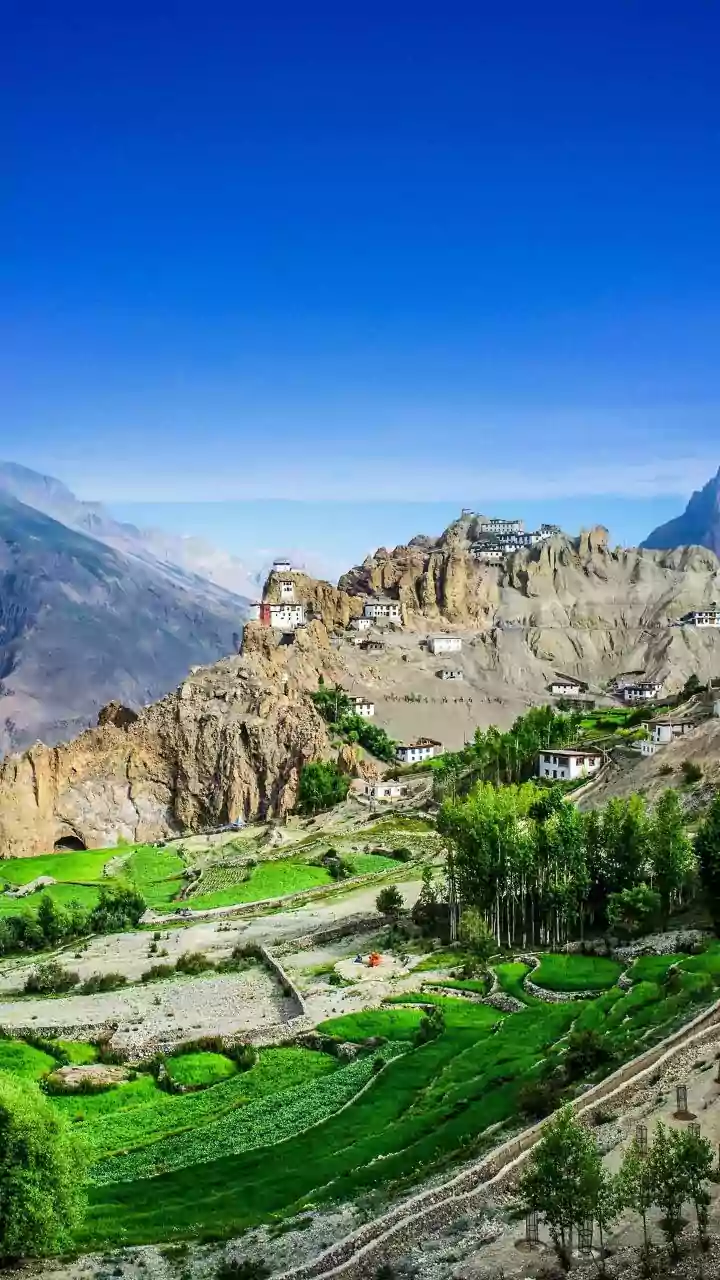
This trend isn't just a logistical hack; it's a deep-seated response to modern urban life in India. Cities like Mumbai, Delhi, and Bengaluru are vibrant economic engines, but they are also noisy, polluted, and intensely competitive. For a generation facing immense pressure to succeed, nature isn't a luxury—it’s a necessity. Escaping the city for a weekend of trekking, camping, or simply breathing clean air has become a critical tool for managing stress and preventing burnout. It's a reset button. Of course, social media plays a huge role. Instagram feeds filled with stunning landscapes from the Western Ghats or the valleys of Spiti create both inspiration and a new kind of social currency. While their parents’ generation might have valued status symbols like a new car or a bigger house, for many young Indians, the ultimate flex is a life rich with experiences. A photo from a remote mountain pass is more aspirational than one from a corner office. This digital documentation fuels the desire for more, creating a self-reinforcing cycle where travel and nature become integral parts of a modern identity.
A Global Generational Shift
While the specifics of “leave drama” are unique to the Indian context, the underlying sentiment is global. What’s happening in India is a chapter in the same story being written by young workers in the United States and Europe. It’s connected to the same forces that drove the “Great Resignation,” “quiet quitting,” and the fierce debates over return-to-office mandates. It’s a fundamental re-evaluation of the relationship between an employee and an employer. This generation is implicitly stating that their time, mental health, and personal lives are not endlessly negotiable assets for a company to leverage. They are willing to work hard, but they demand autonomy and respect in return. The demand for nature without the drama is a demand for a more humane, flexible, and balanced way of working. It signals a future where the most attractive employers won’t be the ones with the flashiest offices, but the ones who trust their employees to get their work done, whether they’re at a desk in the city or on a balcony overlooking a tea plantation.