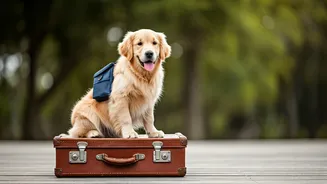









The New Center of the Family
In the United States, planning life around a pet is second nature. In India, it’s a relatively recent, and revolutionary, phenomenon. Traditionally, dogs were often seen as outdoor animals, valued more for guarding property than for indoor companionship.
Today, in cities like Mumbai, Delhi, and Bangalore, a different story is unfolding. A rising generation of young professionals and dual-income couples are embracing the role of “pet parents,” viewing their dogs and cats not as property, but as integral family members, or “fur babies.” This shift is fueled by a confluence of factors: rising disposable incomes, smaller family sizes, and a globalized view of companionship. For many, a pet provides an emotional anchor in fast-paced urban life, filling a role once occupied by larger, extended family networks. As one Indian pet owner told the BBC, “He is not a dog, he is my son.” This sentiment is the driving force behind the new holiday calculus.
Road Trips Over Runways
The logistical and emotional challenge of leaving a beloved pet behind is fundamentally altering travel itineraries. The guilt and anxiety associated with kennels or pet-sitters are leading many to forgo certain types of trips altogether. Air travel with pets within India can be a bureaucratic and stressful nightmare, pushing families towards a classic American solution: the road trip. Families are now packing up their cars, with the dog comfortably settled in the back, and heading to destinations within driving distance. This has sparked a boom in pet-friendly tourism in specific corridors. Hill stations like Mussoorie and Shimla in the north, or scenic regions like Coorg and Ooty in the south, have become go-to spots. The selection of a destination is no longer about the best flight deal or the most famous monument; it’s about which place will welcome their four-legged family member with open arms, wide-open spaces, and hiking trails.
A Booming Pet-Friendly Economy
Where travelers go, industry follows. The Indian hospitality sector has been quick to recognize this lucrative new market. What was once a rare novelty is now a competitive advantage. Luxury hotel chains and boutique homestays alike are rolling out the red carpet for pets. It’s no longer enough to simply “allow” them; the most successful venues offer dedicated pet menus, special bedding, designated play areas, and even “paw-some” spa treatments. Agra, home of the Taj Mahal, now has hotels that cater to pets while their owners visit the monument (where animals aren't allowed). This trend is part of India’s booming pet care market, which is projected to grow to over $1 billion in the coming years. From specialized pet taxi services for airport runs to curated travel agencies that design bespoke pet-friendly holidays, an entire ecosystem is emerging to serve the needs of the modern Indian pet parent.
More Than Just a Vacation
Ultimately, this trend is a powerful indicator of broader social change in urban India. It reflects a move towards Western-style consumerism and individualism, where personal fulfillment and emotional well-being—including that of pets—are prioritized. The act of planning a holiday around a dog is a quiet declaration of a new set of values, where the definition of “family” is becoming more fluid and self-determined. While this is still primarily an urban, middle-to-upper-class phenomenon, it’s a telling snapshot of modern India's aspirations. It’s about a new generation creating traditions that fit their globalized lifestyles while navigating the complexities of a country in rapid transition. The sight of a golden retriever lounging by a resort pool in Goa isn't just a cute photo; it’s a symbol of a society redefining its priorities, one paw print at a time.